- romanian
- korean
- kyrgyz
- lao
- latin
- latvian
- malay
- malayalam
- marathi
- persian
- polish
- portuguese
- quechua
- khmer
- russian
- shona
- singapore
- spanish
- swahili
- swedish
- tajik
- thai
- ukrainian
- urdu
- vietnamese
- filipino
- azerbaijani
- bengali
- burmese
- catalan
- creole
- croatian
- czech
- danish
- deutsch
- dutch
- english
- estonian
- arabic
- finnish
- french
- greek
- gujarati
- hausa
- hindi
- hungarian
- igbo
- indonesian
- irish
- italian


The Rise of 3d Panel Solutions for Modern Infrastructure and Disaster Relief
3d Panel solutions are rapidly gaining prominence across diverse sectors, driven by a global need for efficient, adaptable, and sustainable infrastructure. From rapid deployment housing in disaster relief to modular construction for industrial facilities, these panels offer a compelling alternative to traditional building methods. The core value proposition lies in their speed of installation, reduced waste, and potential for customization, addressing critical challenges in rapidly changing environments.
The increasing demand for 3d Panel is fueled by factors like urbanization, population growth, and the growing frequency of natural disasters. These pressures necessitate innovative construction solutions that can deliver shelter and infrastructure quickly and cost-effectively. Moreover, a rising awareness of environmental concerns is driving demand for sustainable building materials and practices, areas where 3d Panel technology excels.
Understanding the capabilities of 3d Panel isn't simply about recognizing a construction trend; it's about acknowledging a shift in how we approach building, disaster response, and infrastructure development globally. Its impact extends beyond cost savings to encompass social responsibility and environmental stewardship.
The Global Significance of 3d Panel
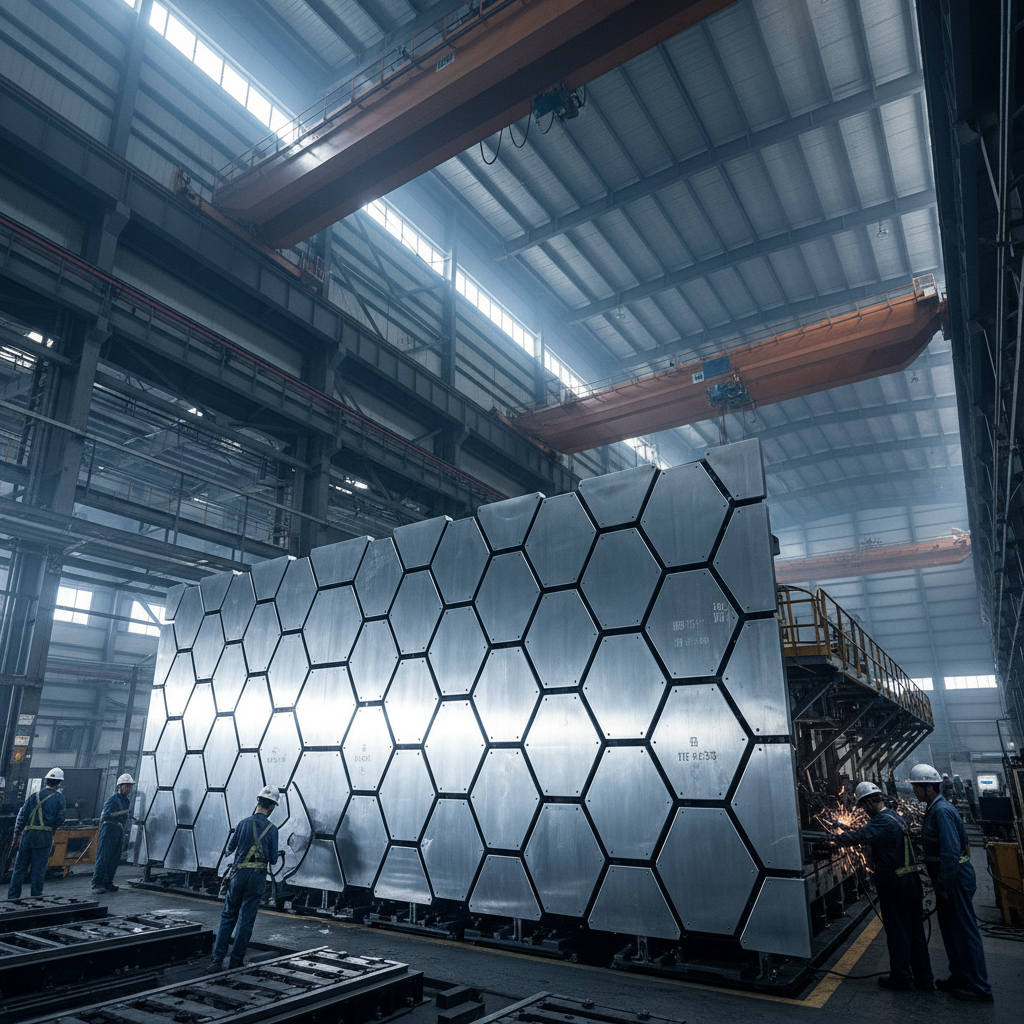
The demand for rapid, scalable, and sustainable construction solutions is intensifying globally. According to the United Nations, over half the world’s population lives in urban areas, a figure projected to reach 68% by 2050. This rapid urbanization creates immense pressure on infrastructure, driving a need for innovative building technologies like 3d Panel. The World Bank estimates that global infrastructure investment will need to reach $80 trillion by 2030 to meet future demands, making efficient construction methods paramount.
Furthermore, the increasing frequency and intensity of natural disasters, as reported by organizations like the International Federation of Red Cross and Red Crescent Societies, necessitates swift and effective disaster relief solutions. Traditional construction methods often prove too slow and cumbersome in these scenarios. 3d Panel offers a viable alternative, enabling the rapid deployment of temporary shelters and essential infrastructure in affected areas, directly addressing a critical global need.
FAQS
3d Panel offers significant advantages in disaster relief due to its rapid deployment speed. Unlike traditional construction, which requires extensive on-site labor and materials, 3d Panel systems are largely prefabricated and can be assembled quickly with minimal skilled labor. This is crucial in emergency situations where time is of the essence. They're also lighter and easier to transport to remote or damaged locations, offering a more efficient and effective solution for providing temporary shelter and essential facilities.
The lifespan of 3d Panel structures depends on the materials used and the quality of construction. High-quality steel or aluminum panels, properly maintained, can withstand decades of exposure to harsh weather conditions. Furthermore, many 3d Panel systems are engineered to meet or exceed building code requirements for wind resistance, seismic activity, and fire safety. With regular inspections and maintenance, these structures can provide a durable and long-lasting solution for housing and infrastructure in disaster-prone areas.
Yes, 3d Panel can be more eco-friendly and cost-effective. The manufacturing process generates significantly less waste compared to traditional construction. Materials can often be recycled or reused, further reducing environmental impact. Reduced construction time translates to lower labor costs, and the modular nature of the panels minimizes material loss. While initial material costs may be similar, the overall life-cycle cost is often lower due to reduced maintenance and increased durability.
Importing 3d Panel involves navigating international trade regulations, customs procedures, and transportation logistics. Challenges include obtaining necessary permits and certifications, managing tariffs and taxes, and ensuring compliance with local building codes. Working with experienced logistics partners and understanding the specific requirements of the destination country are crucial for a smooth and efficient import process. Organizations like the UN often provide guidance and support for humanitarian aid shipments.
Generally, 3d Panel structures require less ongoing maintenance than traditionally built structures. The factory-controlled fabrication process results in higher precision and fewer potential defects. Materials like steel and aluminum are highly durable and resistant to corrosion. Routine inspections for joint seals and potential damage are recommended, but the overall maintenance burden is typically lower, leading to long-term cost savings.
Yes, 3d Panel systems are surprisingly adaptable. While initially associated with simpler, modular designs, advancements in manufacturing and design software now allow for a wide range of architectural styles. Panels can be customized with different finishes, colors, and textures. Integration with traditional building materials is also possible, allowing for hybrid designs that combine the benefits of both approaches.
Conclusion
In conclusion, 3d Panel technology represents a significant advancement in the field of construction, offering a compelling blend of speed, efficiency, sustainability, and cost-effectiveness. Its adaptability to diverse applications – from disaster relief to affordable housing – makes it a valuable tool for addressing some of the world’s most pressing challenges. The core benefits lie in reduced construction time, minimized waste, and enhanced quality control, all contributing to a more resilient and sustainable built environment.
Looking ahead, continued innovation in materials science, automation, and digital fabrication will further enhance the capabilities of 3d Panel. By embracing these advancements and promoting collaboration between industry, government, and humanitarian organizations, we can unlock the full potential of this technology and create a more sustainable and equitable future for all. Visit our website at 3d Panel to learn more about our solutions and how we can help you build a better tomorrow.