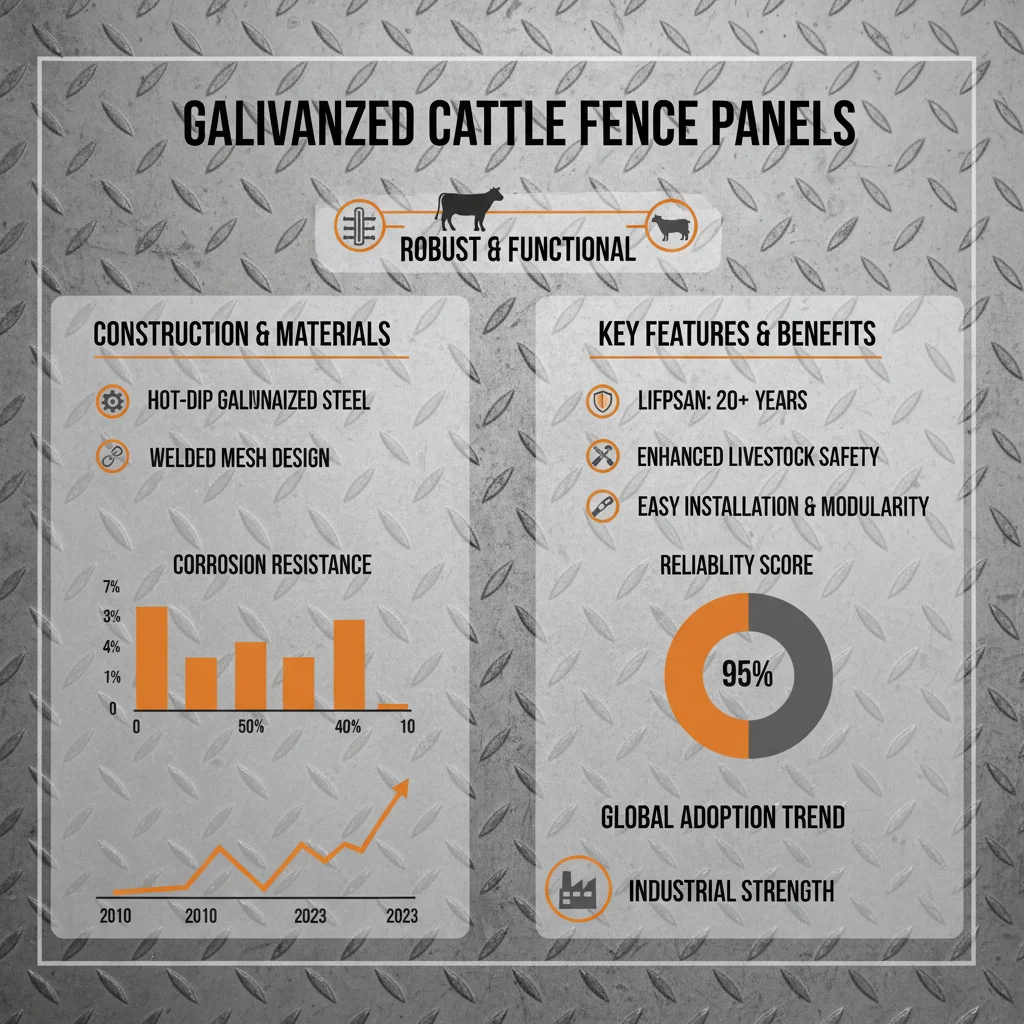
Safety Fence solutions are becoming increasingly vital in a world facing growing security concerns, disaster risks, and the need for controlled access. From protecting critical infrastructure to providing temporary shelter after emergencies, the demand for effective and reliable Safety Fence systems is escalating globally. Understanding the nuances of these solutions—their construction, applications, and future trends—is crucial for professionals in security, disaster management, and construction, as well as for humanitarian organizations and governments.
The global Safety Fence market is projected to experience significant growth in the coming years, driven by heightened security threats, increased infrastructure development, and a rising frequency of natural disasters. The economic impact of insufficient safety measures can be substantial, leading to property damage, loss of life, and disruption of essential services. Investing in robust Safety Fence systems not only mitigates these risks but also demonstrates a commitment to public safety and responsible resource management.
Ultimately, the implementation of effective Safety Fence solutions contributes to a more secure, resilient, and sustainable future. The ability to quickly deploy, adapt, and maintain these systems is paramount, necessitating continuous innovation and adherence to industry best practices. This overview will delve into the key aspects of Safety Fence, exploring its applications, benefits, and emerging trends.
Introduction to Safety Fence
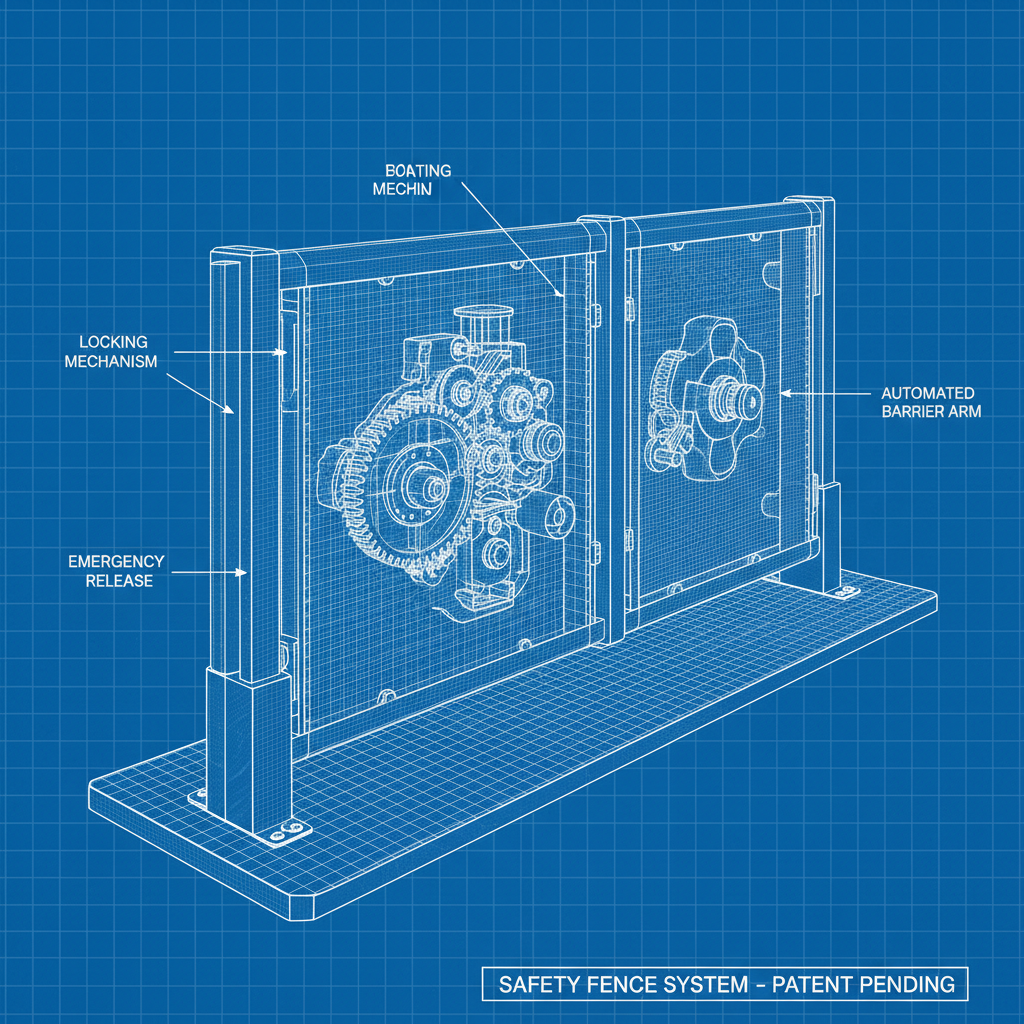
Safety Fence encompasses a broad range of barriers and systems designed to protect people, property, and assets from various threats. These can range from simple physical barriers like chain-link fences and temporary hoarding to more complex engineered solutions, including crash barriers, security fencing, and specialized perimeter control systems. The core principle underlying all Safety Fence implementations is the creation of a defined boundary to deter unauthorized access, contain hazards, or provide a safe zone.
The importance of robust Safety Fence is underscored by the increasing need for security in public spaces, industrial sites, and event venues. Effective Safety Fence not only prevents unwanted intrusion but also provides peace of mind and enhances overall safety protocols. Furthermore, in disaster relief and emergency response scenarios, Safety Fence plays a vital role in establishing safe zones and controlling access to affected areas.
Global Relevance of Safety Fence
The need for Safety Fence transcends geographical boundaries, affecting virtually every country and industry worldwide. According to the United Nations Office for Disaster Risk Reduction (UNDRR), the number of disaster events has increased significantly in recent decades, highlighting the necessity for effective preparedness and response measures, often reliant on Safety Fence for perimeter control and zone demarcation. Furthermore, global security concerns, as detailed in reports by the World Economic Forum, continue to drive demand for enhanced perimeter security solutions.
The rising rates of theft, vandalism, and unauthorized access in both urban and rural settings necessitate proactive security measures. Industries such as construction, transportation, and utilities rely heavily on Safety Fence to protect valuable assets and prevent disruptions to operations. Similarly, large-scale events, like concerts and sporting competitions, require comprehensive security plans that incorporate effective Safety Fence systems to ensure the safety of attendees.
The ISO standards related to security fencing and perimeter protection further emphasize the importance of standardized safety measures. These standards provide guidelines for design, installation, and maintenance, ensuring that Safety Fence solutions meet specific performance criteria. Compliance with these standards is crucial for organizations seeking to demonstrate a commitment to security and risk management.
Defining Safety Fence
Simply put, a Safety Fence is a barrier designed to create a physical separation for the purpose of protection, containment, or control. While often thought of in the context of physical barriers like fences or netting, the concept extends to encompass a wider range of solutions, including temporary barriers, crowd control systems, and even virtual perimeters utilizing technology like sensors and alarms. The fundamental goal remains consistent: to define a safe or restricted area.
In the modern industrial context, Safety Fence systems are integral to maintaining operational efficiency and minimizing risks. They safeguard valuable equipment, prevent unauthorized access to hazardous areas, and protect employees from potential accidents. In humanitarian scenarios, Safety Fence provides security for displaced populations, defines boundaries for aid distribution, and supports the establishment of temporary shelters.
The definition of Safety Fence also evolves with technological advancements. Smart fencing systems, incorporating features like intrusion detection and remote monitoring, represent a significant step forward in perimeter security. These intelligent systems provide real-time alerts and enhanced control, offering a more proactive and effective approach to safety and security.
Core Components of Safety Fence
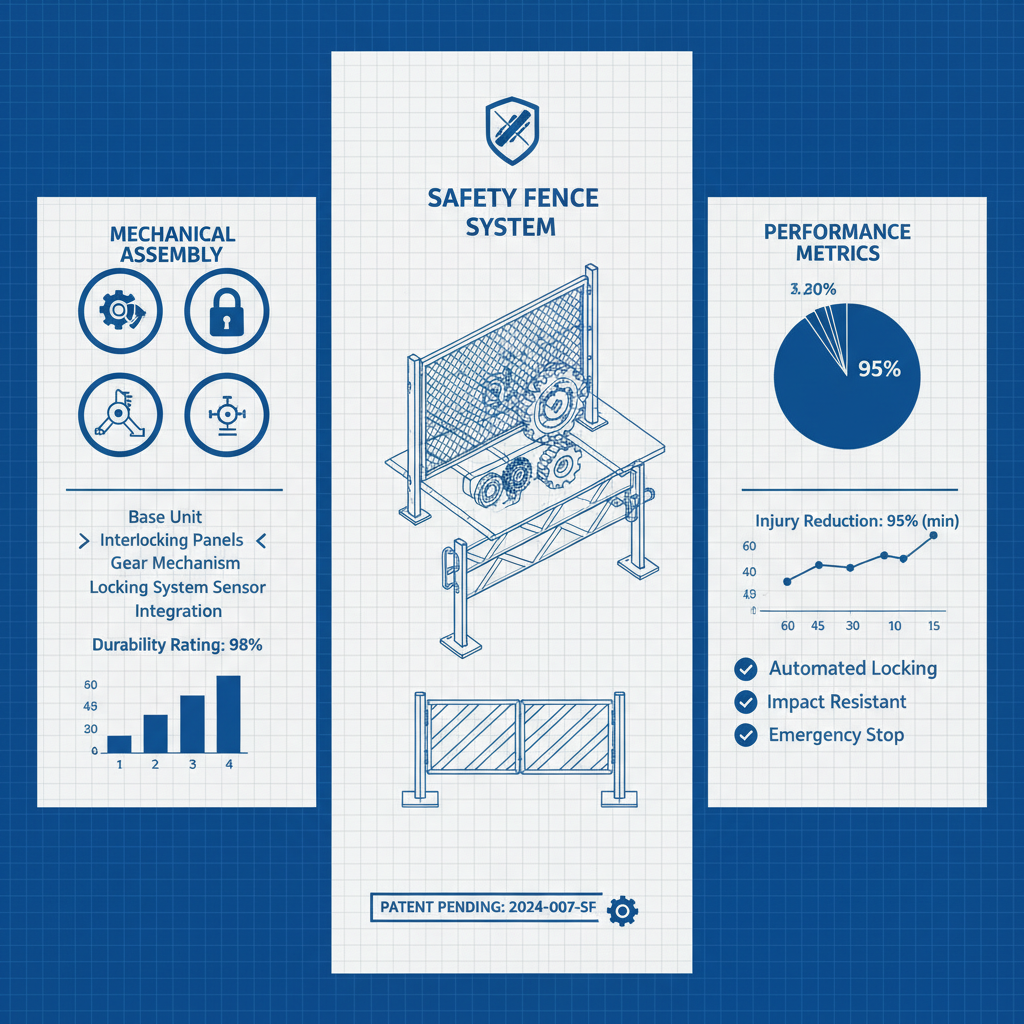
Several key factors contribute to the effectiveness of any Safety Fence system. Firstly, Durability is paramount. A robust Safety Fence must withstand environmental factors, potential impact, and attempted breaches. The materials used—steel, aluminum, high-density polyethylene (HDPE)—are chosen based on the specific application and environmental conditions. Secondly, Scalability ensures the system can adapt to changing needs.
Cost Efficiency is another critical consideration. While investing in high-quality materials and advanced technology is important, the overall cost of the Safety Fence solution must be justifiable and align with budgetary constraints. This includes not only the initial purchase price but also installation, maintenance, and potential replacement costs. Ease of Installation significantly impacts both cost and deployment time. Systems that are quick and easy to install minimize disruption and reduce labor expenses.
Finally, Compliance with relevant safety standards and regulations is essential. Ensuring that the Safety Fence system meets or exceeds industry standards demonstrates a commitment to safety and minimizes legal liabilities. Additionally, Versatility is crucial; a good Safety Fence solution should be adaptable to various terrain and application requirements.
Safety Fence Performance Metrics
Applications of Safety Fence Worldwide
Safety Fence plays a crucial role in securing critical infrastructure, such as power plants, water treatment facilities, and communication networks. In these applications, high-security fencing, often incorporating advanced detection systems, is essential to prevent unauthorized access and protect sensitive equipment. In post-disaster relief operations, Safety Fence is rapidly deployed to establish safe zones for displaced populations, control access to damaged areas, and facilitate the distribution of aid.
In remote industrial zones, such as mining sites and oil refineries, Safety Fence provides perimeter security, preventing theft and vandalism. The rugged construction and durability of these systems are essential to withstand harsh environmental conditions. Furthermore, Safety Fence is widely used in construction sites to delineate work areas, protect equipment, and prevent accidental falls.
The agricultural sector utilizes Safety Fence to protect livestock, crops, and valuable equipment. Different types of fencing are employed depending on the specific needs, ranging from traditional wire fencing to more advanced electric fencing systems. In event management, Safety Fence is used to control crowds, create designated access points, and ensure the safety of attendees.
The Advantages of Safety Fence
The tangible benefits of investing in effective Safety Fence solutions are numerous. Reduced risk of theft, vandalism, and unauthorized access translates directly into cost savings. Enhanced security provides peace of mind for employees, residents, and stakeholders. Furthermore, a well-designed Safety Fence system can improve operational efficiency by streamlining access control and minimizing disruptions.
Beyond the economic advantages, Safety Fence contributes to social well-being by creating a safer and more secure environment. This fosters a sense of trust and community, particularly in areas prone to crime or unrest. The integration of sustainable materials and environmentally friendly construction practices also enhances the long-term value of Safety Fence solutions.
Future Trends in Safety Fence Technology
The future of Safety Fence is poised for significant innovation, driven by advancements in materials science, sensor technology, and artificial intelligence. The development of self-healing materials could enhance the durability and longevity of fencing systems, reducing maintenance costs and minimizing environmental impact. The integration of advanced sensor networks, including perimeter intrusion detection systems (PIDS), will provide real-time alerts and enhanced situational awareness.
The rise of smart fencing, powered by AI and machine learning, will enable predictive security measures and automated threat detection. These intelligent systems will be capable of learning patterns of activity and identifying potential security breaches before they occur. Furthermore, the increasing focus on sustainability will drive the demand for eco-friendly fencing materials and construction practices, reducing the carbon footprint of Safety Fence systems.
Challenges and Solutions in Safety Fence Implementation
Despite the advancements in Safety Fence technology, several challenges remain. The cost of implementing high-security systems can be prohibitive for some organizations, particularly smaller businesses and NGOs. Maintenance requirements, such as regular inspections and repairs, can also be a significant burden. Furthermore, the aesthetic impact of Safety Fence can be a concern in certain environments, requiring careful consideration of design and integration.
To address these challenges, innovative financing models, such as leasing and subscription-based services, can make high-security solutions more accessible. The development of low-maintenance materials and automated inspection systems can reduce long-term costs. Furthermore, designers are increasingly focusing on creating aesthetically pleasing Safety Fence systems that blend seamlessly with the surrounding environment.
Effective training and education are also crucial to ensure that Safety Fence systems are properly installed, operated, and maintained. By addressing these challenges proactively, we can unlock the full potential of Safety Fence to enhance security, safety, and resilience worldwide.
Summary of Challenges and Solutions for Safety Fence
| Challenge Area |
Specific Challenge |
Proposed Solution |
Implementation Priority (1-5, 5=High) |
| Cost |
High upfront investment for robust systems |
Leasing options, subscription models |
4 |
| Maintenance |
Regular inspections and repairs are labor-intensive |
Self-healing materials, automated inspection systems |
3 |
| Aesthetics |
Visual impact on surrounding landscapes |
Design integration, landscaping solutions |
2 |
| Technology Integration |
Complexity of integrating smart sensors and AI |
Standardized APIs, user-friendly interfaces |
4 |
| Training |
Lack of skilled personnel for installation & operation |
Comprehensive training programs, certification courses |
5 |
| Regulatory Compliance |
Navigating varying local safety standards |
Centralized compliance database, expert consulting |
3 |
FAQS
Temporary Safety Fence, like portable barriers or construction netting, offers flexibility and quick deployment, ideal for short-term needs like event security or construction zones. Permanent solutions, such as chain-link or steel fencing, provide long-lasting security and are designed for ongoing protection of properties and assets. The choice depends on the duration of the security requirement and budget constraints. Temporary fences are generally more cost-effective upfront but require more frequent setup and takedown.
Climate plays a crucial role in material selection. Harsh weather conditions like extreme temperatures, high humidity, or corrosive environments necessitate materials resistant to degradation. For coastal areas, galvanized steel or aluminum are preferred due to their corrosion resistance. In areas prone to heavy snowfall, fencing must be able to withstand significant weight and wind loads. Choosing materials suited to the local climate ensures the longevity and effectiveness of the Safety Fence.
When selecting a Safety Fence provider, prioritize certifications like ISO 9001 (quality management), ISO 14001 (environmental management), and relevant industry-specific standards like those related to perimeter security. These certifications demonstrate a commitment to quality, environmental responsibility, and adherence to best practices. Checking for compliance with local building codes and safety regulations is also essential.
Minimizing visual impact involves careful consideration of design and materials. Utilizing landscaping to screen the fencing, choosing colors that blend with the surroundings, and opting for more aesthetically pleasing fence styles can all help. Transparent fencing materials, like chain-link with slats, can reduce visual obstruction while still providing security. Consulting with design professionals can also lead to innovative solutions that balance security and aesthetics.
The lifespan of a Safety Fence installation varies considerably based on materials, climate, and maintenance. Chain-link fencing, with proper maintenance, can last 15-20 years. Steel fencing, particularly galvanized or powder-coated, can last even longer, up to 30 years or more. HDPE fencing typically has a lifespan of 10-15 years. Regular inspections and timely repairs are crucial for maximizing the lifespan of any Safety Fence system.
There's a growing trend toward using recycled materials in Safety Fence construction, such as recycled plastics and reclaimed steel. Bamboo and other renewable resources are also being explored as sustainable alternatives. Manufacturers are increasingly focusing on reducing the environmental impact of their products by utilizing eco-friendly coatings and minimizing waste during production. The use of bio-based polymers is another emerging area of research.
Conclusion
In conclusion, Safety Fence solutions are critical components of modern security, disaster preparedness, and infrastructure protection. From ensuring the safety of public spaces to safeguarding valuable assets, the benefits of investing in effective and reliable Safety Fence systems are undeniable. Understanding the key factors influencing performance, from durability and scalability to cost efficiency and compliance, is essential for making informed decisions.
Looking ahead, the future of Safety Fence will be shaped by advancements in materials science, sensor technology, and artificial intelligence. Embracing innovation, prioritizing sustainability, and investing in comprehensive training will be crucial for maximizing the long-term value of Safety Fence solutions. For more information on Safety Fence systems and how we can help you protect your assets, visit our website: Safety Fence.