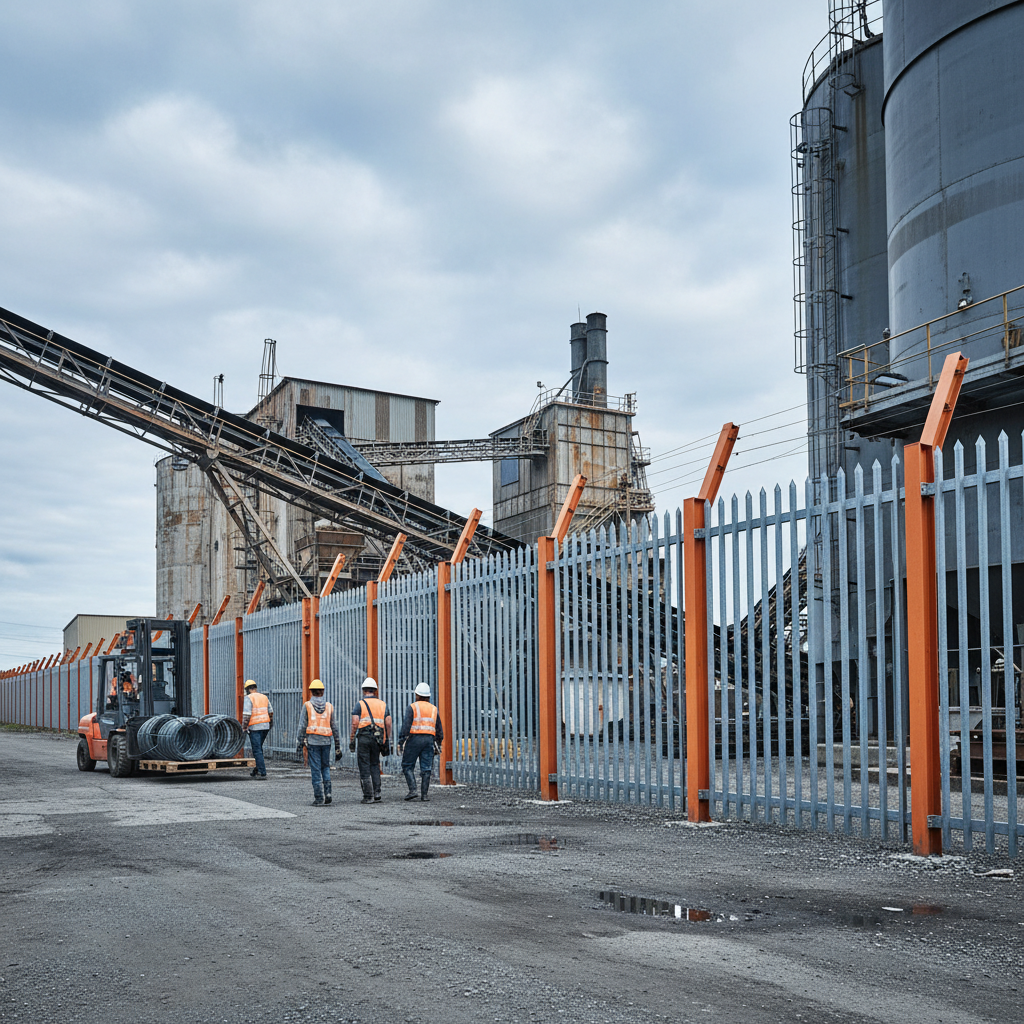
Palisade Fence, a robust and visually imposing perimeter security solution, has evolved significantly from its historical roots to become a critical component of modern infrastructure protection. Globally, the demand for effective security measures is steadily increasing, driven by factors like urbanization, geopolitical instability, and rising concerns about asset protection. Understanding the nuances of palisade fencing – its design, installation, and maintenance – is paramount for anyone responsible for safeguarding properties, critical infrastructure, or public spaces.
The relevance of palisade fence extends beyond simply keeping people out. It plays a crucial role in defining boundaries, deterring criminal activity, and providing a demonstrable level of security that fosters peace of mind for businesses, communities, and individuals. The United Nations, for instance, often utilizes palisade fencing around peacekeeping operations and refugee camps to ensure safety and control access. Furthermore, the growth of industrial zones and critical national infrastructure necessitates reliable, long-lasting security solutions like palisade fence.
The increasing sophistication of security threats means that passive security measures, such as fencing, are often the first line of defense. Investing in high-quality palisade fencing can prevent costly breaches, protect valuable assets, and ultimately contribute to a safer environment for all. The benefits extend to reduced insurance premiums, enhanced property values, and a stronger deterrent to potential intruders.
Introduction to Palisade Fence
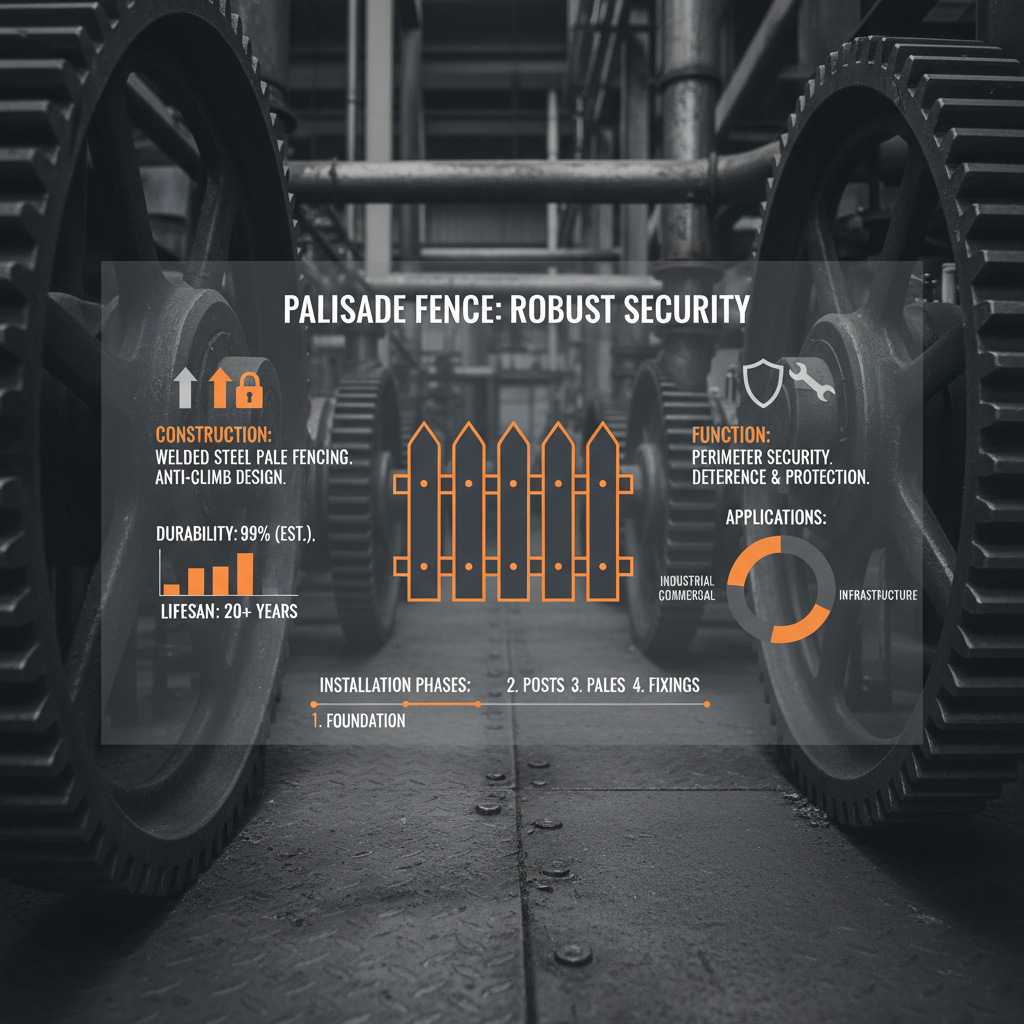
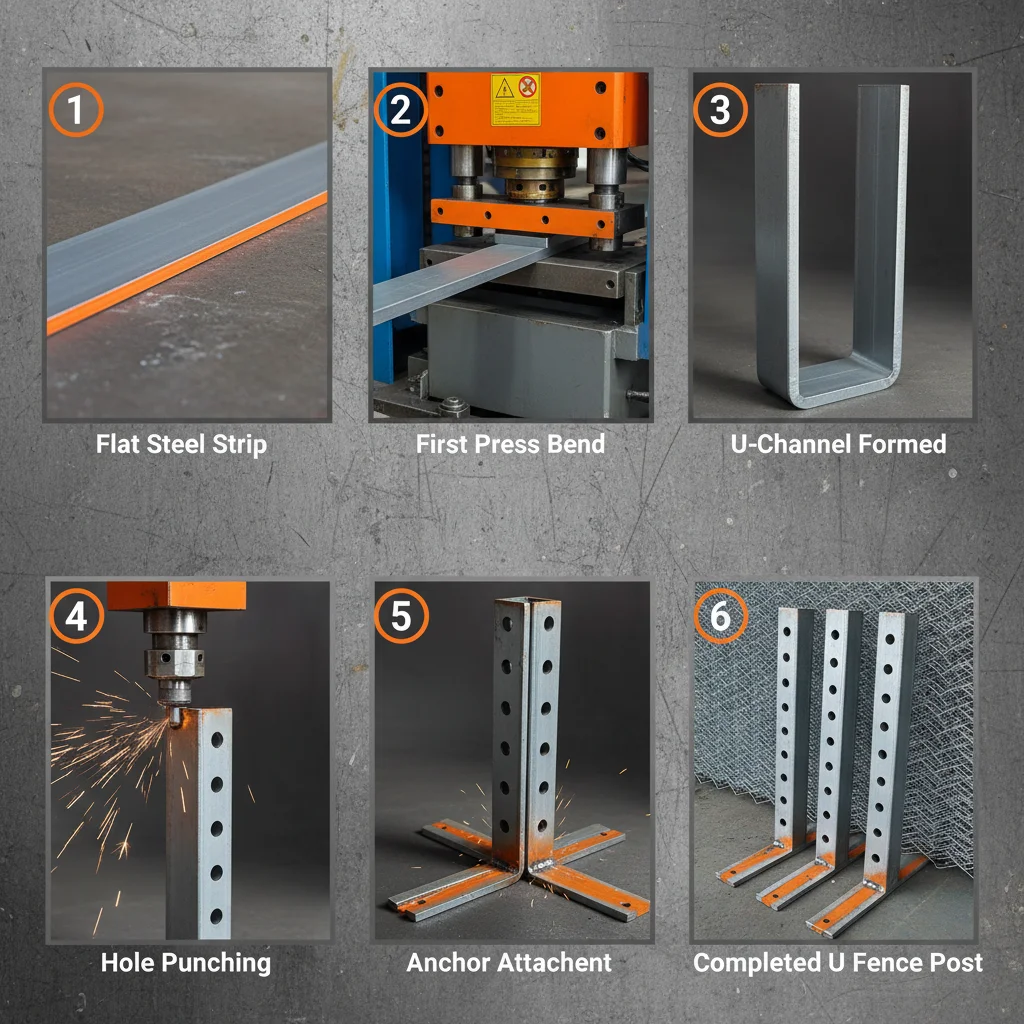
Palisade fencing is characterized by its vertical pales, securely fixed to horizontal rails and posts. This design creates a strong, visually deterrent barrier, making it difficult to climb or penetrate. Its inherent strength stems from the robust materials used in construction, typically steel, offering long-lasting protection against a range of threats. Palisade Fence is commonly employed where high security is paramount.
Beyond its primary function of physical security, palisade fence contributes to a sense of order and delineation. It defines property boundaries, controls access points, and visually reinforces the security posture of a site. This psychological deterrent is often as important as the physical barrier itself, discouraging potential intruders and fostering a safer environment for occupants and surrounding areas.
Defining Palisade Fence
At its core, a palisade fence is a robust type of security fencing comprised of vertical steel pales, fixed to horizontal rails which are then connected to sturdy posts. Unlike chain-link or other open-mesh fences, palisade fences are designed to be difficult to climb, offering a strong deterrent to intruders. The pales are typically pointed or have other anti-climb features, further enhancing security.
The connection to modern industry and humanitarian needs lies in its adaptability and resilience. Palisade fencing is not merely a security measure; it’s an investment in protecting assets, personnel, and critical infrastructure. It’s often used to secure airports, power plants, data centers, and other high-security facilities, as well as providing perimeter security for refugee camps and disaster relief operations.
Essentially, palisade fencing is a reliable, long-term solution for perimeter protection, offering a blend of physical strength, visual deterrence, and cost-effectiveness compared to more complex security systems.
Key Characteristics of Palisade Fence
Palisade fence distinguishes itself through a number of key characteristics. Firstly, its inherent strength is derived from the use of heavy-gauge steel, making it resistant to cutting, bending, and forced entry attempts. The close spacing of the pales further minimizes potential climbing points, enhancing its security performance. Palisade Fence offers a robust solution where physical security is a priority.
Secondly, the modular design of palisade fencing allows for customization to suit specific site requirements. Height, pale spacing, and post configuration can be adjusted to meet varying security levels and aesthetic preferences. This flexibility makes it adaptable to a wide range of applications, from industrial estates to residential properties.
Thirdly, palisade fencing is known for its longevity and low maintenance requirements. Galvanized or powder-coated finishes provide excellent corrosion resistance, ensuring a long service life even in harsh environmental conditions. Regular inspections are recommended, but generally, palisade fencing requires minimal upkeep.
Practical Applications of Palisade Fence
The practical applications of palisade fence are diverse, ranging from securing high-value industrial sites to protecting public infrastructure. It's frequently deployed around power plants, water treatment facilities, and telecommunications towers, where security breaches could have significant consequences.
Another common application is in commercial and industrial estates, where businesses require a robust perimeter security solution to protect their assets and employees. Schools, hospitals, and other public institutions also utilize palisade fencing to control access, prevent vandalism, and ensure the safety of occupants.
Palisade Fence Performance Metrics
Global Applications & Use Cases
In post-disaster relief operations, palisade fencing is often rapidly deployed to establish secure perimeters around aid distribution centers and temporary settlements. Its durability and ease of installation make it ideal for these challenging environments. In remote industrial zones, such as mining operations or oil refineries, palisade fencing safeguards valuable equipment and prevents unauthorized access.
Across Europe, palisade fencing is frequently utilized to secure critical national infrastructure, including power plants, water treatment facilities, and transportation hubs. In Africa, it's a common sight around airports, government buildings, and commercial properties, providing a robust deterrent against theft and vandalism. The adaptability of palisade fence makes it a globally recognized and trusted security solution.
Australia utilizes palisade fencing to secure large-scale agricultural operations and protect livestock from predators. The rugged terrain and harsh climate demand a durable and reliable fencing solution, making palisade a preferred choice.
Advantages and Long-Term Value
The advantages of palisade fencing are multifaceted, extending beyond mere physical security. Its robust construction translates to a long service life, minimizing replacement costs and reducing the overall lifecycle cost of ownership. The relatively low maintenance requirements contribute to further cost savings over time.
From a societal perspective, palisade fencing fosters a sense of security and well-being within communities. Knowing that assets are protected and access is controlled can significantly reduce anxiety and improve quality of life. This contributes to increased trust in institutions and a more stable social environment.
Future Trends & Innovations in Palisade Fence
Innovations in materials science are leading to the development of lighter, stronger, and more corrosion-resistant palisade fencing options. The incorporation of smart technology, such as integrated sensors and alarm systems, is enhancing security capabilities and providing real-time monitoring capabilities.
Sustainable manufacturing practices are gaining prominence, with manufacturers increasingly utilizing recycled materials and adopting energy-efficient production processes. This aligns with the growing global emphasis on environmental responsibility and reduces the carbon footprint of palisade fencing. Automated installation techniques are also emerging, promising faster and more efficient deployment of palisade fencing systems.
Challenges & Solutions
One of the primary challenges associated with palisade fencing is the potential for corrosion, particularly in harsh marine or industrial environments. However, advancements in galvanization techniques and the widespread adoption of powder coating have significantly mitigated this issue. Regularly scheduled inspections and maintenance can further extend the lifespan of the fencing.
Another challenge is the aesthetic impact of palisade fencing, which can sometimes be perceived as imposing or unattractive. Manufacturers are addressing this by offering a wider range of colors, finishes, and design options, allowing for greater integration with surrounding landscapes. Careful planning and design can minimize the visual impact of palisade fencing while maintaining its security benefits.
Finally, the initial cost of palisade fencing can be higher than some alternative security solutions. However, its long-term durability and low maintenance requirements often offset this initial investment, making it a cost-effective choice over the lifespan of the fence.
Table summarizing Palisade Fence Challenges and Solutions
| Challenge |
Impact |
Solution |
Cost of Solution (1-10) |
| Corrosion |
Reduced lifespan, structural weakness |
Advanced galvanization, powder coating |
6 |
| Aesthetic Concerns |
Negative visual impact, community resistance |
Color options, design customization |
4 |
| Initial Cost |
Budget constraints, potential for cheaper alternatives |
Lifecycle cost analysis, phased installation |
7 |
| Climbing Attempts |
Security breaches, potential for theft or vandalism |
Anti-climb features, pointed pales |
8 |
| Installation Complexity |
Higher labor costs, potential for errors |
Professional installation, clear instructions |
5 |
| Maintenance Requirements |
Periodic inspections, potential for repairs |
Regular inspections, prompt repairs, protective coatings |
3 |
FAQs
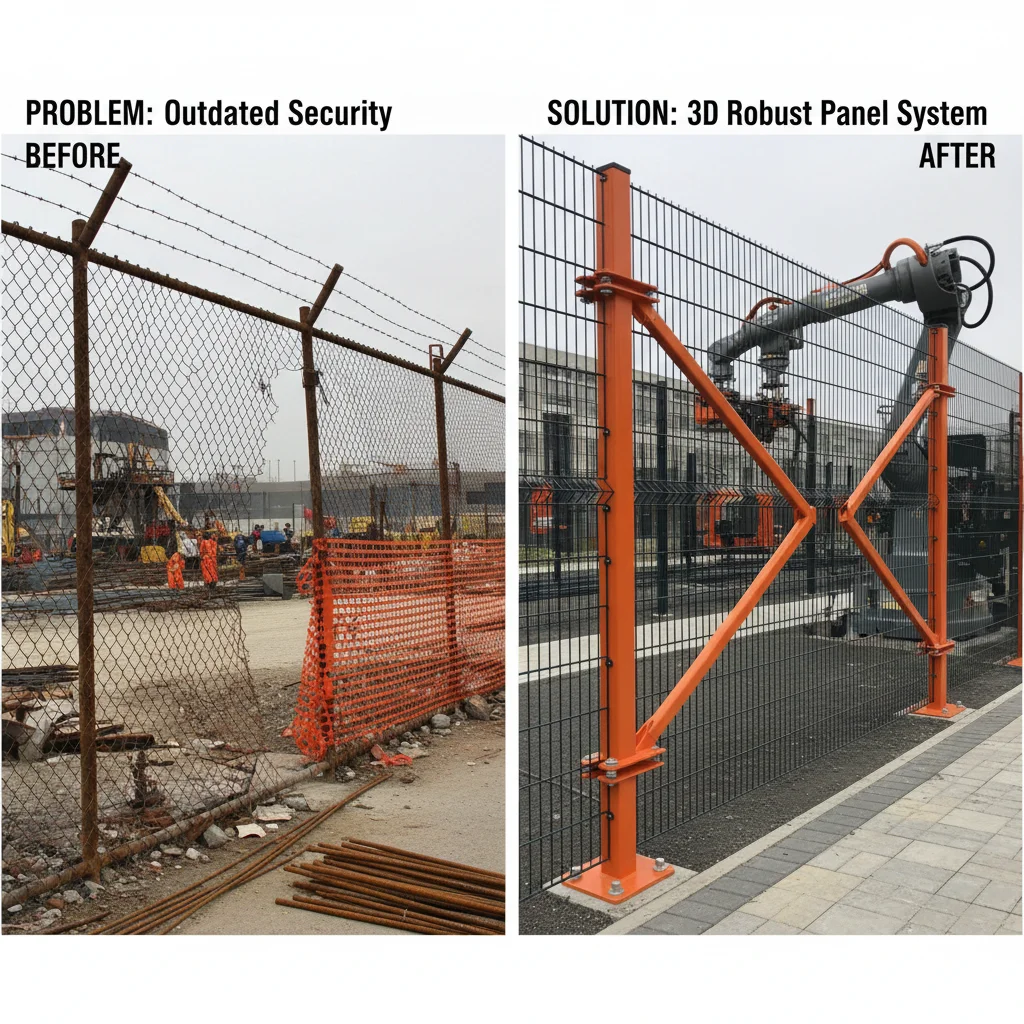
Palisade fence offers significantly higher security than chain-link due to its robust construction and anti-climb features. Chain-link is easier to cut and climb, making it less effective at deterring determined intruders. Palisade provides a stronger psychological deterrent and greater longevity, ultimately offering a better return on investment despite a potentially higher initial cost.
Generally, higher palisade fencing provides greater security. A taller fence increases the difficulty of climbing and reduces visibility from outside the perimeter. However, height alone isn’t the sole determinant of security. The design of the pales (pointed or rounded), the spacing between them, and the overall construction quality are equally important. Local regulations may also dictate maximum fence heights.
Common finishes include galvanization, powder coating, and PVC coating. Galvanization provides a zinc coating that protects against corrosion. Powder coating offers a more durable and aesthetically pleasing finish, and also enhances corrosion resistance. PVC coating provides a flexible and impact-resistant layer. The choice of finish depends on the environmental conditions and desired lifespan of the fence.
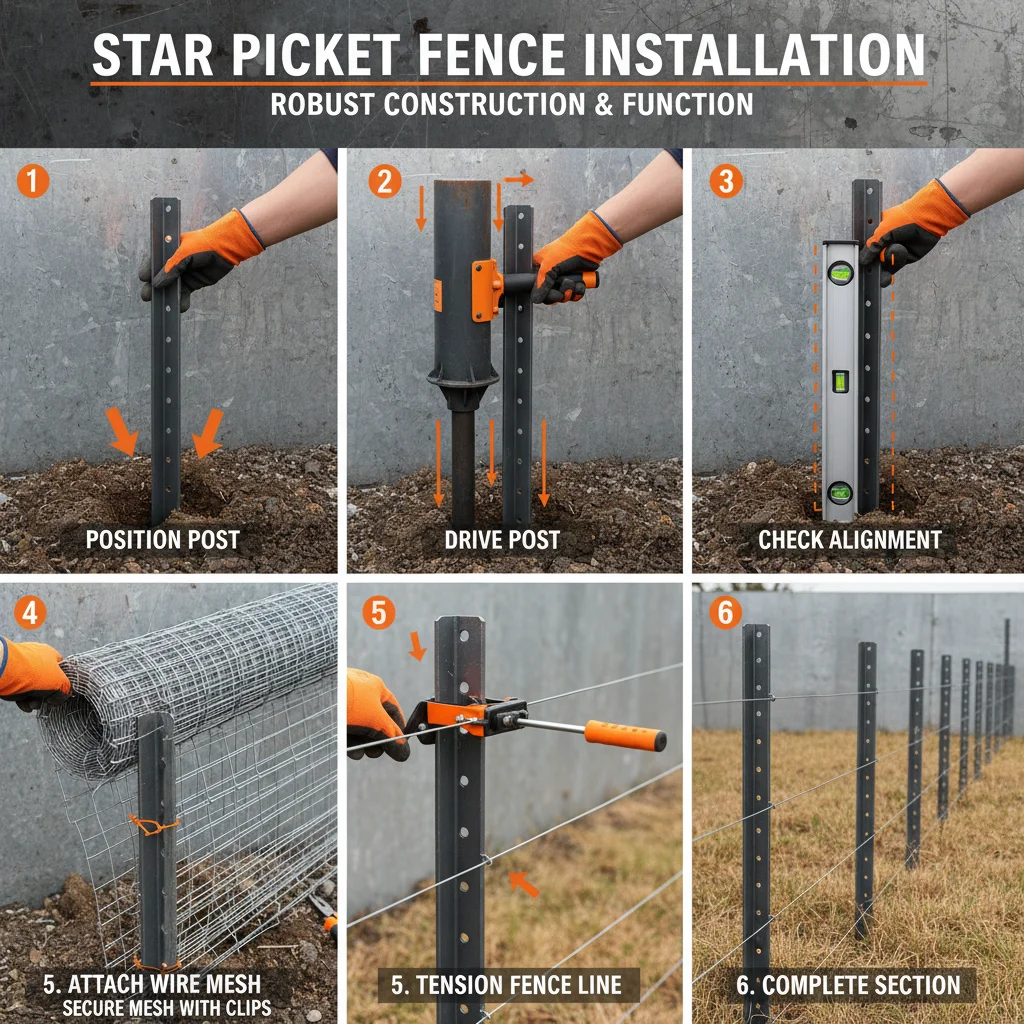
Palisade fencing is typically installed by setting posts in concrete foundations. Proper foundation depth is critical for stability, especially in areas with unstable soil. Suitable ground conditions include firm, well-drained soil. Rocky or sloping ground may require additional excavation and specialized installation techniques. Professional installation is highly recommended to ensure a secure and long-lasting fence.
With proper maintenance, a palisade fence can have a lifespan of 25 to 50 years or more. Regular inspections to identify and address corrosion or damage are essential. Periodic repainting or recoating may be necessary to maintain its protective finish. The quality of materials and installation also play a significant role in its longevity.
Absolutely. Palisade fencing is often integrated with other security technologies to create a comprehensive security system. CCTV cameras can be mounted on or near the fence to provide surveillance. Access control systems, such as gates and card readers, can be incorporated to regulate entry and exit points. Combining these measures enhances overall security and provides multiple layers of protection.
Conclusion
Palisade Fence stands as a testament to robust and reliable perimeter security. Its enduring strength, adaptability, and relatively low lifecycle cost make it a preferred choice for a wide range of applications, from securing critical infrastructure to protecting residential properties. Understanding its core characteristics, applications, and future trends is vital for anyone involved in security planning and implementation.
Investing in a well-designed and properly installed palisade fence isn't just about physical security; it’s about creating a safe and secure environment, safeguarding assets, and providing peace of mind. Looking ahead, continued innovation in materials, smart technology integration, and sustainable manufacturing practices will further enhance the value and effectiveness of palisade fencing as a cornerstone of modern security solutions. Visit our website: www.huaxinmesh.com for more information.