- romanian
- korean
- kyrgyz
- lao
- latin
- latvian
- malay
- malayalam
- marathi
- persian
- polish
- portuguese
- quechua
- khmer
- russian
- shona
- singapore
- spanish
- swahili
- swedish
- tajik
- thai
- ukrainian
- urdu
- vietnamese
- filipino
- azerbaijani
- bengali
- burmese
- catalan
- creole
- croatian
- czech
- danish
- deutsch
- dutch
- english
- estonian
- arabic
- finnish
- french
- greek
- gujarati
- hausa
- hindi
- hungarian
- igbo
- indonesian
- irish
- italian


Comprehensive Guide to Wire Fencing Types Applications and Installation
Understanding Wire Fencing: A Comprehensive Guide
Wire fencing is a versatile and cost-effective solution for a wide range of applications, from agricultural enclosures to security perimeters. Choosing the right type of wire fencing depends on your specific needs, including the animals you need to contain, the level of security required, and the environmental conditions. This article will explore the different types of wire fencing available, their uses, installation considerations, and maintenance tips. We will also look at factors to consider when choosing a supplier, such as Huaxin Mesh, to ensure you get a high-quality and durable product.
Types of Wire Fencing
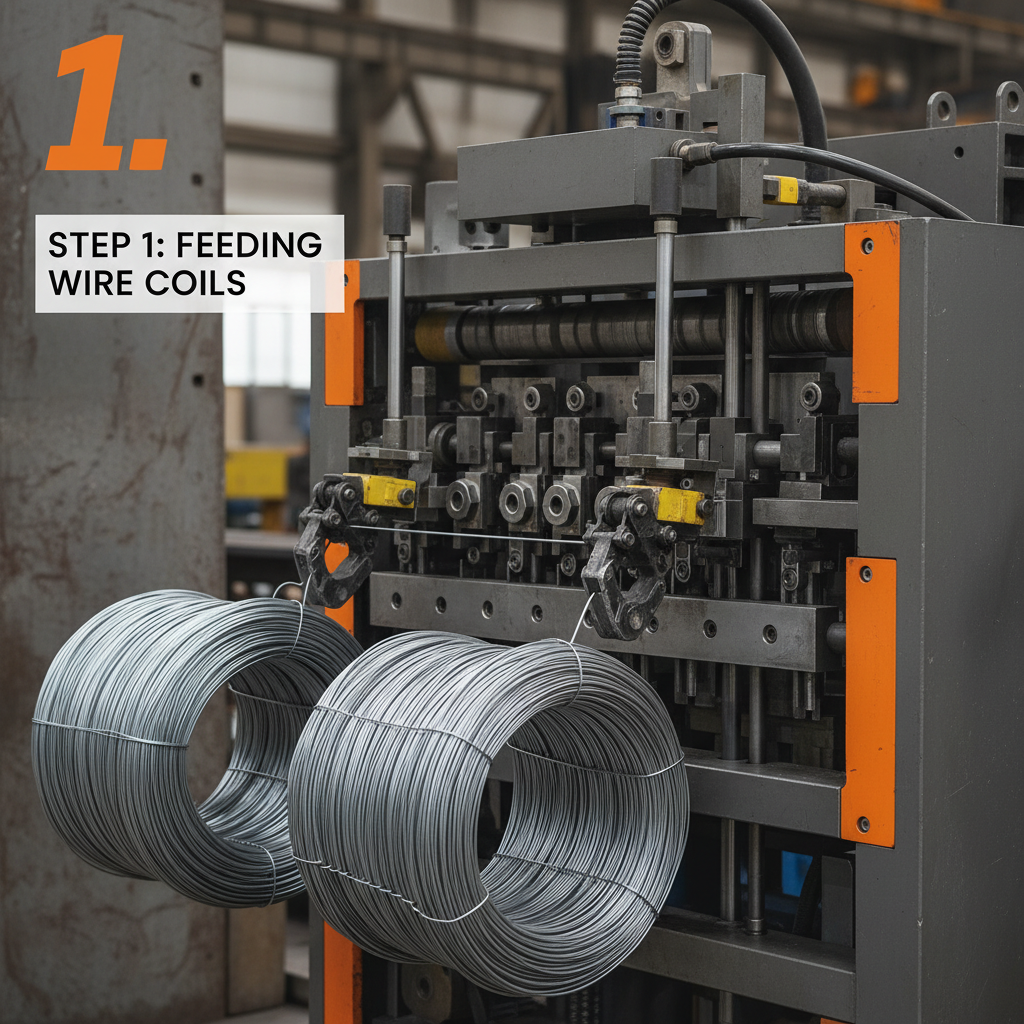
There are several primary types of wire fencing, each offering unique benefits. Woven wire fencing, also known as field fencing, is commonly used for agricultural purposes, providing excellent containment for livestock. Chain-link fencing is known for its durability and security, making it ideal for residential and commercial applications. Barbed wire, a classic choice, offers a high level of security but requires careful handling. Welded wire fencing provides a more rigid structure and is often used for animal enclosures or garden protection. Choosing the right type depends on your budget, needs and what you are trying to achieve.
Key Considerations: Selecting the appropriate wire gauge (thickness) is crucial for ensuring the longevity and effectiveness of your fence. Heavier gauges provide greater strength and durability.
Applications of Wire Fencing
The applications for wire fencing are diverse. In agriculture, it's used to create pastures, contain livestock, and protect crops from wildlife. Residential applications include creating privacy screens, enclosing gardens, and securing swimming pools. Commercial uses include perimeter security for businesses, construction sites, and industrial facilities. Its flexibility and affordability make it a popular choice across many sectors. Considering the specific needs of your project is key to maximizing the benefits of wire fencing.
Common Applications:
• Agricultural Enclosures
• Residential Security
• Commercial Perimeter Control
• Garden Protection
Wire Fencing Comparison: Types & Costs
Selecting the best type of wire fencing involves comparing the characteristics and costs of each. Here’s a quick comparison:
Installation and Maintenance of Wire Fencing
Proper installation is vital for the longevity of your fence. This includes setting posts at appropriate intervals, using high-quality fasteners, and ensuring the fence is properly tensioned. Regular maintenance, such as checking for loose wires, repairing damaged sections, and removing vegetation, will extend the life of your fence. Inspecting your wire fencing regularly can save you money on costly repairs in the long run.
Choosing a Reliable Supplier
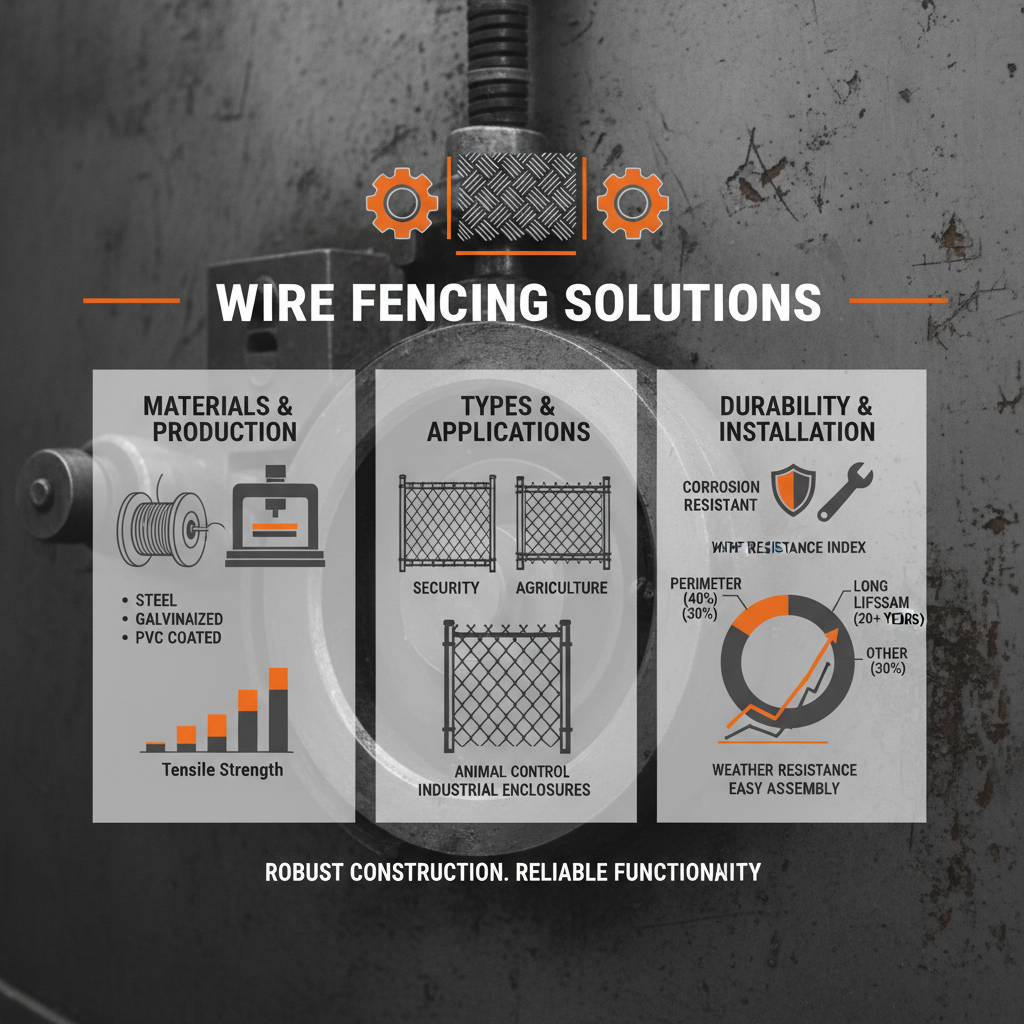
Selecting a reputable supplier is paramount. Look for companies like Huaxin Mesh that offer high-quality materials, competitive pricing, and excellent customer service. Consider factors like delivery options, warranty policies, and the supplier's experience in the industry. A knowledgeable supplier can also provide guidance on selecting the right type of fencing for your specific needs.
Conclusion: Investing in Quality Wire Fencing
Choosing the right wire fencing is a significant investment. By understanding the different types available, considering your specific needs, and selecting a reliable supplier like Huaxin Mesh, you can ensure a durable, effective, and long-lasting solution for your fencing requirements. Don't compromise on quality – choose a fence that will provide years of reliable service.
Frequently Asked Questions (FAQs)
What is the best type of wire fencing for containing sheep?
Woven wire fencing, specifically with smaller mesh sizes at the bottom, is generally the best option for containing sheep. This prevents lambs from escaping through the fence. A wire gauge of 12.5 or 14.5 is recommended for durability. Consider a fence height of at least 4 feet to deter jumping. Barbed wire is typically not recommended for sheep due to the risk of injury.
How often should I tension my wire fence?
The frequency of tensioning depends on factors like the type of wire, the terrain, and climate conditions. Generally, it’s recommended to check the tension at least twice a year, in the spring and fall. Look for sagging wires, which indicate a loss of tension. Regular tensioning prevents the fence from becoming loose and ineffective, especially after periods of significant temperature changes.
Is galvanized steel wire fencing rust-proof?
Galvanized steel wire fencing is highly resistant to rust, but it's not entirely rust-proof. The galvanization process coats the steel with a layer of zinc, which protects it from corrosion. However, over time, the zinc coating can wear away, especially in harsh environments or areas with high salt content. Regular maintenance and the use of heavier gauge wire can help prolong the life of the fence.
What are the benefits of choosing Huaxin Mesh for my wire fencing needs?
Huaxin Mesh offers high-quality wire fencing products at competitive prices. They are known for their durable materials, reliable service, and commitment to customer satisfaction. They provide a wide range of fencing options to suit various applications, and their experienced team can offer expert advice and support throughout the selection and installation process. Visit Huaxin Mesh's website to learn more about their products and services.