- romanian
- korean
- kyrgyz
- lao
- latin
- latvian
- malay
- malayalam
- marathi
- persian
- polish
- portuguese
- quechua
- khmer
- russian
- shona
- singapore
- spanish
- swahili
- swedish
- tajik
- thai
- ukrainian
- urdu
- vietnamese
- filipino
- azerbaijani
- bengali
- burmese
- catalan
- creole
- croatian
- czech
- danish
- deutsch
- dutch
- english
- estonian
- arabic
- finnish
- french
- greek
- gujarati
- hausa
- hindi
- hungarian
- igbo
- indonesian
- irish
- italian


Comprehensive Guide to Mesh Fence Types Applications and Selection
Understanding Mesh Fence: A Comprehensive Guide
Mesh fence is a versatile and cost-effective fencing solution widely used in various applications, from agricultural containment to residential security. Its open weave design provides visibility and airflow while maintaining a robust barrier. Choosing the right mesh fence depends on specific needs, considering factors like height, mesh size, wire gauge, and coating. This article delves into the types, applications, benefits, and considerations when selecting a mesh fence to ensure you make an informed decision. We will explore how to select the perfect mesh fence for your property.
Types of Mesh Fence
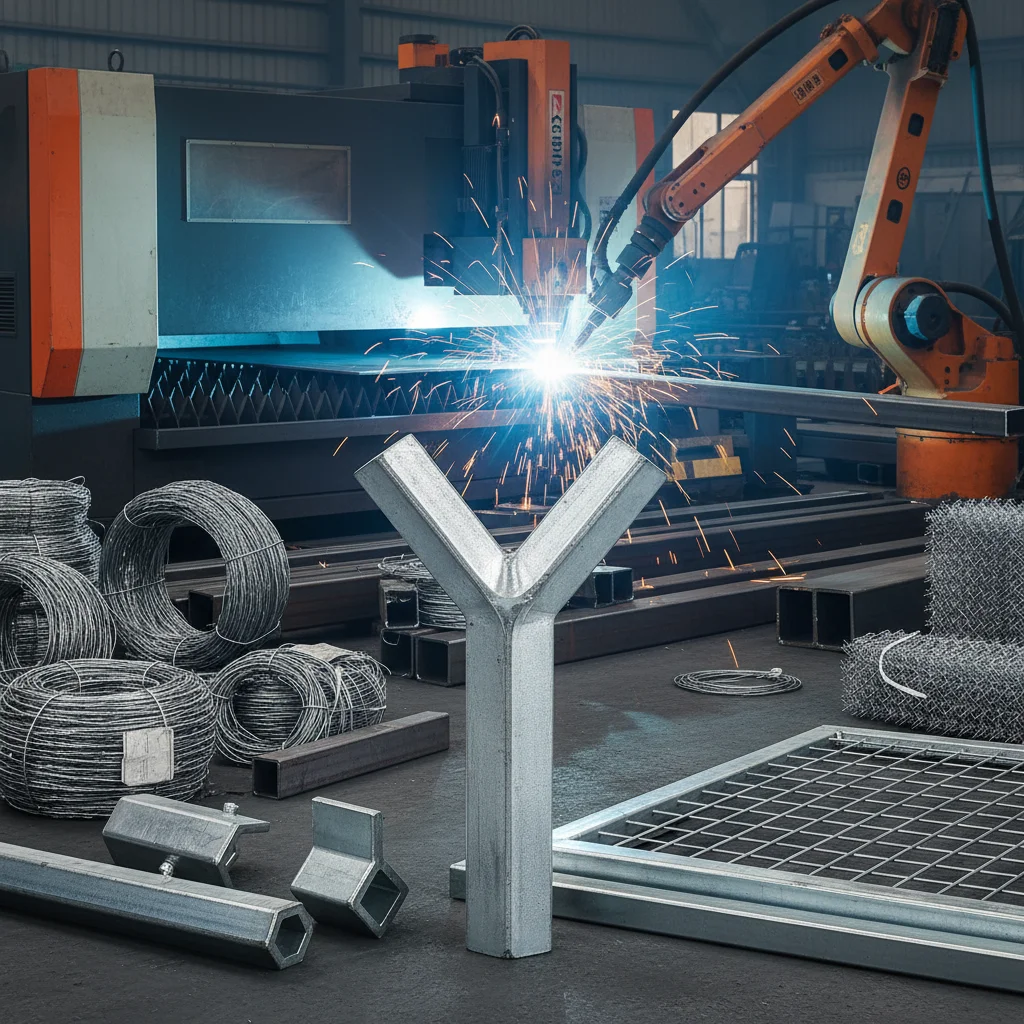
Mesh fences are available in several varieties, each suited to different purposes. Galvanized steel mesh fence is a common and economical option offering good corrosion resistance. Stainless steel mesh fence provides superior durability and is ideal for harsh environments. Welded wire mesh fence features interconnected wires for added strength, while chain link fence offers a traditional and secure boundary solution. Temporary mesh fence, often featuring plastic links, is a portable option perfect for construction sites or event perimeters. The choice depends on the level of security, budget, and environmental conditions.
Key Highlights: A variety of mesh fences exist, catering to different needs from temporary security to long-term containment. Consider material, weld type, and coating for optimal performance.
Applications of Mesh Fence
The applications of mesh fence are incredibly diverse. In agriculture, it's used to contain livestock and protect crops. In residential settings, it provides security and defines property boundaries. Construction sites utilize temporary mesh fence for site perimeter control and safety. Industrial facilities employ mesh fence for security and to delineate areas. Furthermore, it's often used for pet enclosures, gardens, and even crowd control at events. Its adaptability makes it a preferred choice across many sectors.
Mesh Fence Application Benefits:
• Agricultural Containment
• Residential Security
• Construction Site Perimeter Control
• Industrial Security
Choosing the Right Mesh Fence: Key Considerations
Selecting the appropriate mesh fence involves considering several factors. Wire gauge affects the strength and durability – a thicker gauge provides better resistance to cutting and damage. Mesh size determines the level of containment – smaller mesh sizes are needed for smaller animals. Coating, such as galvanizing or PVC, offers corrosion protection and extends the fence’s lifespan. Height is crucial for security and containment needs. Finally, consider local regulations and aesthetic preferences when making your decision.
Benefits of Using Mesh Fence
Mesh fence offers numerous benefits. It’s relatively inexpensive compared to other fencing materials. Its open weave design allows for good visibility and airflow, essential for agricultural applications. Installation is generally straightforward, reducing labor costs. It’s available in a variety of sizes and materials to suit diverse needs. Finally, mesh fence requires minimal maintenance, making it a long-term cost-effective solution.
Mesh Fence vs. Other Fencing Options
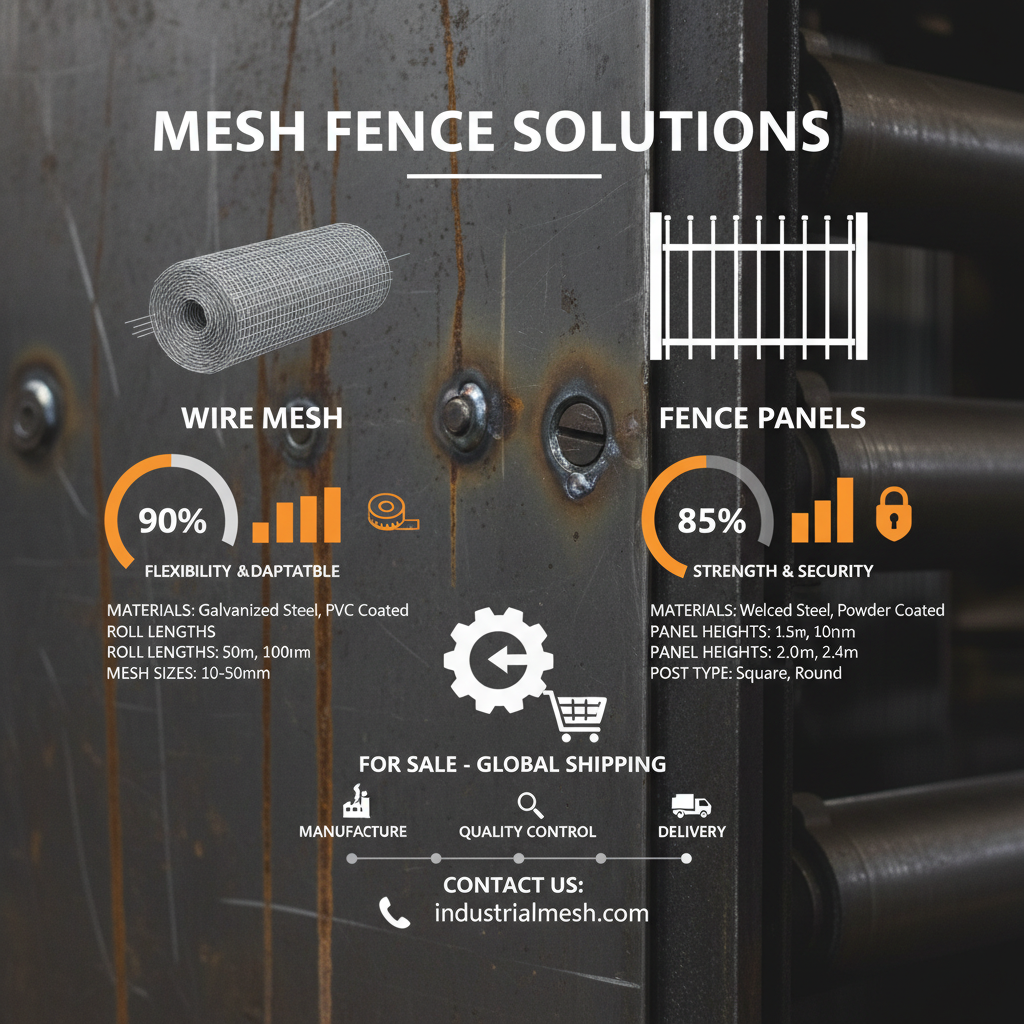
Compared to wood or wrought iron, mesh fence is more affordable and requires less maintenance. While it may not offer the same level of privacy as solid fences, its visibility can be an advantage for security purposes. Compared to chain link, some mesh options offer a more aesthetically pleasing appearance. Ultimately, the best fencing option depends on your specific needs, budget, and aesthetic preferences.
Conclusion: Choosing the Right Mesh Fence for Your Needs
Selecting the right mesh fence is crucial for ensuring effective containment, security, and durability. By carefully considering factors like wire gauge, mesh size, coating, and application, you can find the perfect solution for your needs. Huaxinmesh offers a wide range of high-quality mesh fences to meet diverse requirements. Don't compromise on quality – choose a mesh fence that will provide long-lasting performance and peace of mind.
Frequently Asked Questions (FAQs)
What is the typical lifespan of a mesh fence?
The lifespan of a mesh fence depends on the material and coating used, as well as environmental conditions. Galvanized steel mesh fences typically last 10-20 years with proper maintenance. Stainless steel mesh fences can last significantly longer, often exceeding 25 years. Regular inspection for corrosion and damage is crucial to maximize the fence’s lifespan. Applying additional protective coatings can also extend its durability.
How do I properly install a mesh fence?
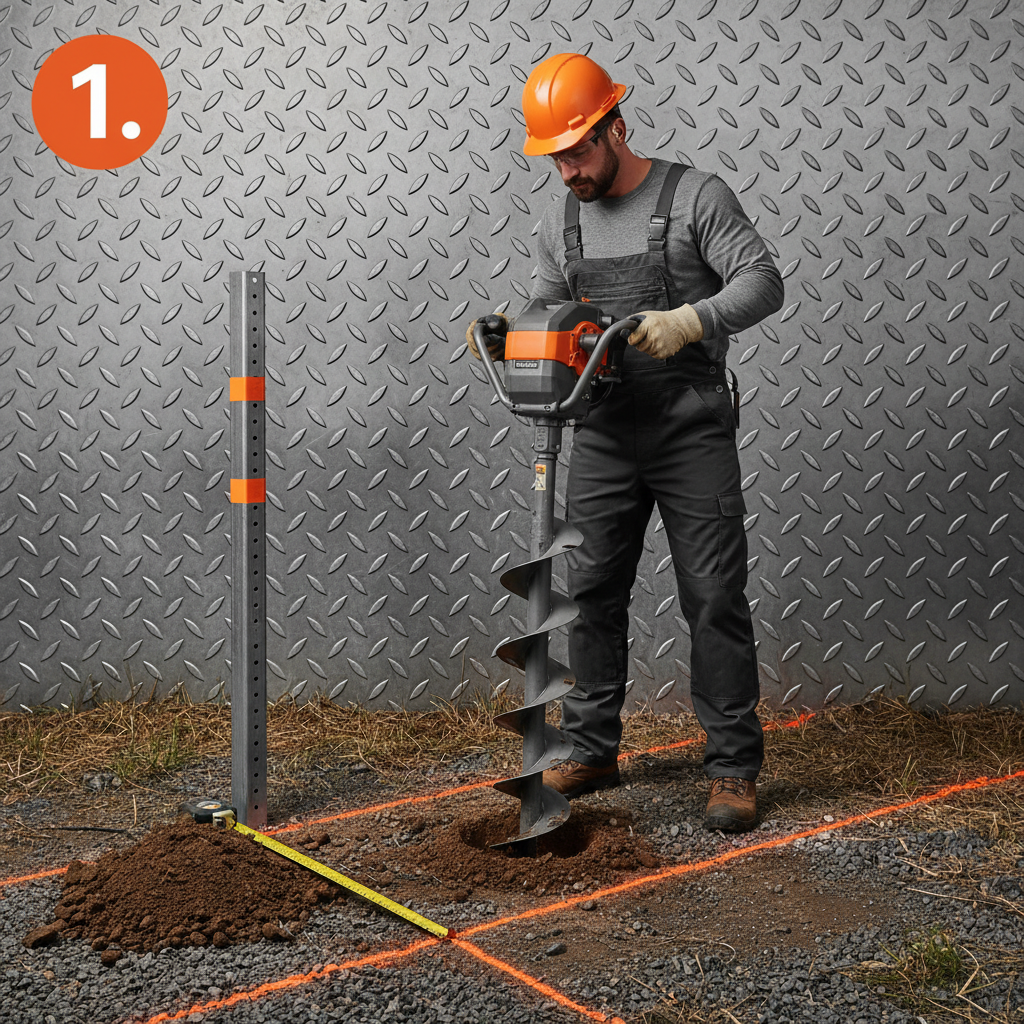
Proper installation is essential for a secure and long-lasting mesh fence. Start by marking the fence line and setting posts at regular intervals. Ensure the posts are securely anchored in the ground. Unroll the mesh and attach it to the posts using wire ties or clips. Stretch the mesh taut to prevent sagging. Consider using a tension wire along the top and bottom of the fence for added stability. Consult a professional installer if you are unsure about any part of the process.
What maintenance does mesh fence require?
Mesh fence generally requires minimal maintenance. Regularly inspect the fence for corrosion, damage, and loose connections. Tighten any loose wire ties or clips. Remove any vegetation growing on or around the fence. For galvanized steel mesh, applying a protective coating every few years can help prevent corrosion. Promptly repair any damage to maintain the fence’s integrity.
Is mesh fence suitable for animal containment?
Yes, mesh fence is commonly used for animal containment, but the appropriate mesh size depends on the animals being contained. For larger animals like cattle or horses, a larger mesh size is sufficient. For smaller animals like goats or sheep, a smaller mesh size is necessary to prevent escape. Consider the animal's size, strength, and digging abilities when selecting the appropriate mesh fence.