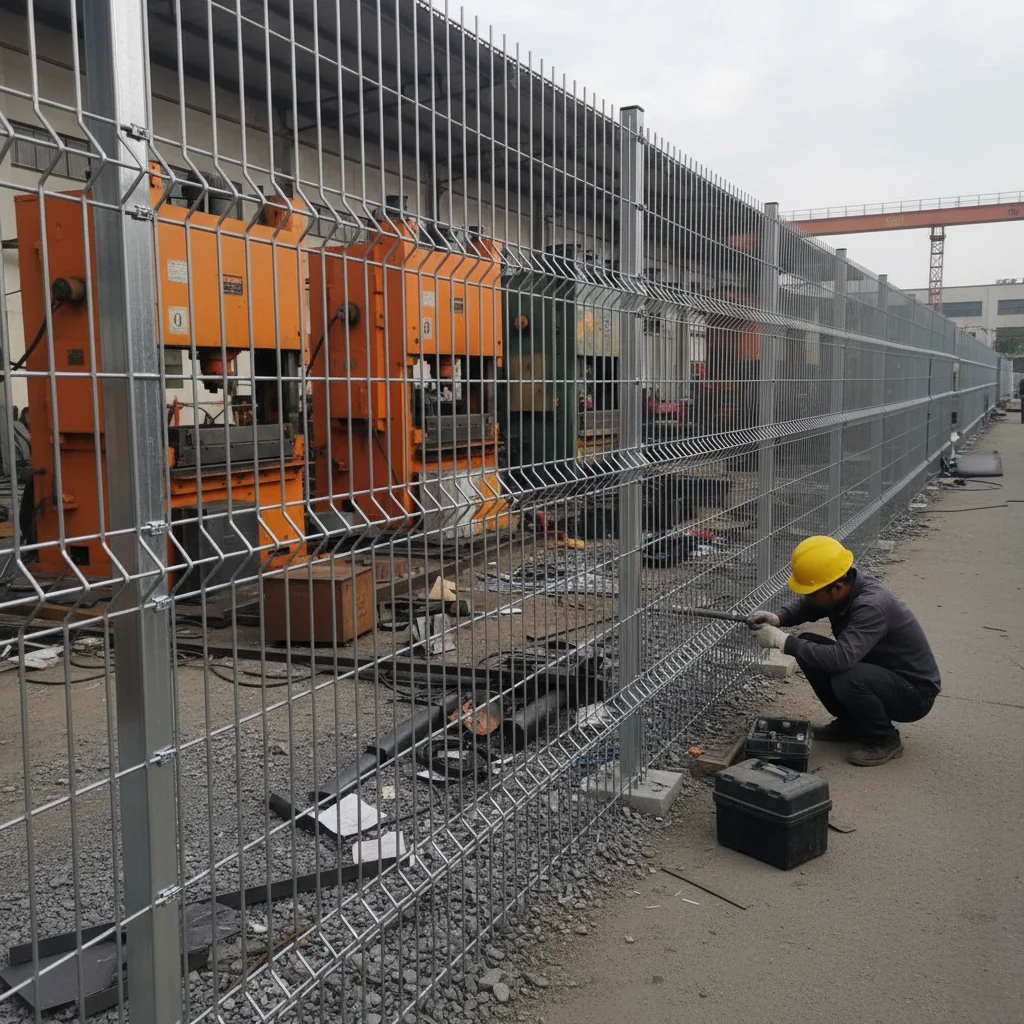
3d Fence
Garden Gate
Comprehensive Guide to Chain Link Fences Security and Applications

Comprehensive Guide to Chain Link Fences Security and Applications

0%

Table of Contents

Chain Link Fences are a ubiquitous and essential component of security and containment worldwide. From residential backyards to high-security industrial facilities, these woven wire structures provide a cost-effective and reliable barrier. Their adaptability and relatively simple installation process make them a preferred choice across diverse applications, contributing significantly to property protection and public safety. Understanding the nuances of chain link fence design, materials, and installation is crucial for maximizing their effectiveness and longevity.

The global market for chain link fencing is substantial, driven by continued demand for security solutions and infrastructure development. According to industry reports, the market is projected to grow steadily in the coming years, influenced by factors like increasing urbanization, heightened security concerns, and infrastructure investments in developing nations. This growth highlights the continued relevance of chain link fences as a fundamental security measure.

Chain Link Fences aren't merely a physical barrier; they represent peace of mind. Offering a visual deterrent and a secure perimeter, they contribute to a sense of safety and control for homeowners and businesses alike. Their widespread adoption reflects a fundamental human need for defined boundaries and protection, making them a consistently important part of modern life.
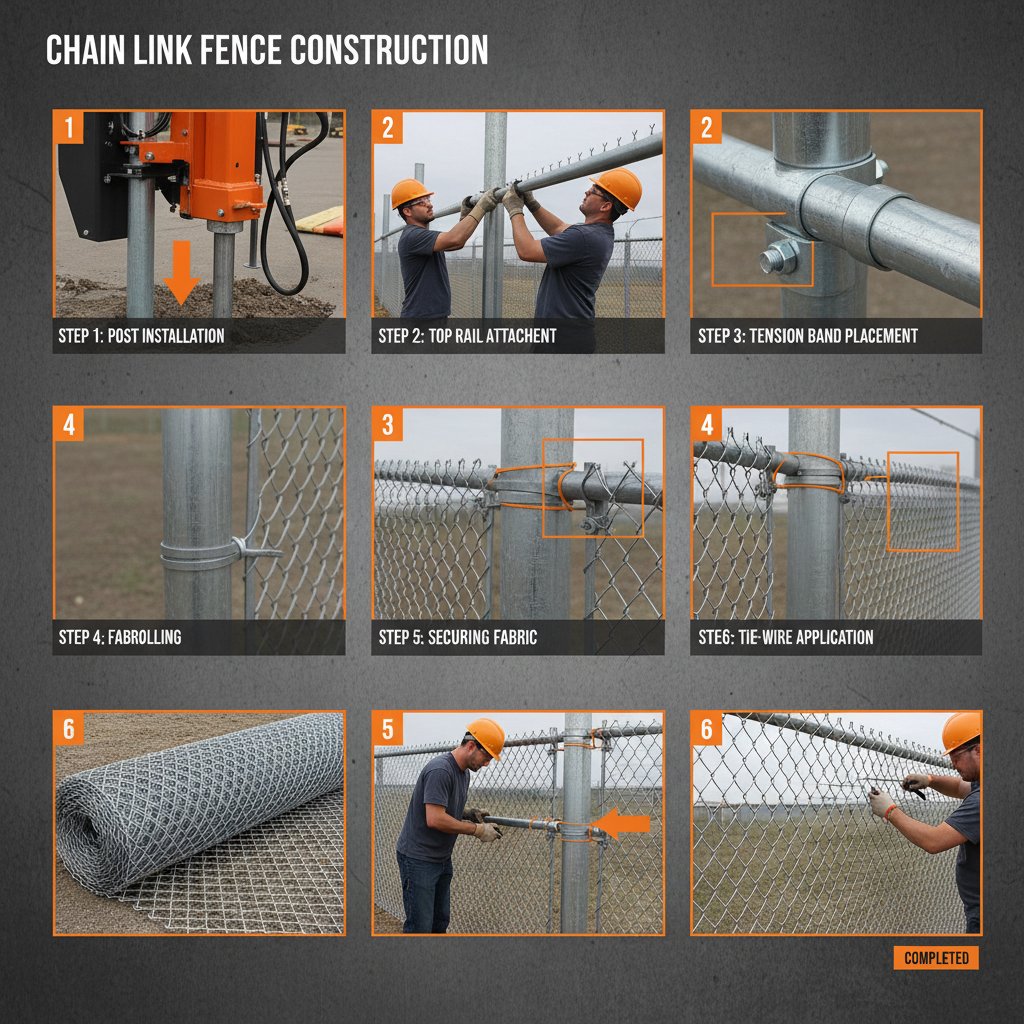
Chain Link Fences

Introduction to Chain Link Fences

Chain Link Fences

Chain Link Fences represent a simple yet incredibly effective solution to a wide range of security and containment needs. Their woven structure, typically made from galvanized steel wire, provides a robust barrier that's difficult to breach. This inherent strength, combined with their affordability, contributes to their widespread application.

Beyond simple security, chain link fences offer defined boundaries, protecting property and providing a sense of personal or organizational control. Properly installed and maintained, a chain link fence can provide decades of reliable service, making it a sustainable and long-term investment in security and peace of mind.

Defining Chain Link Fences

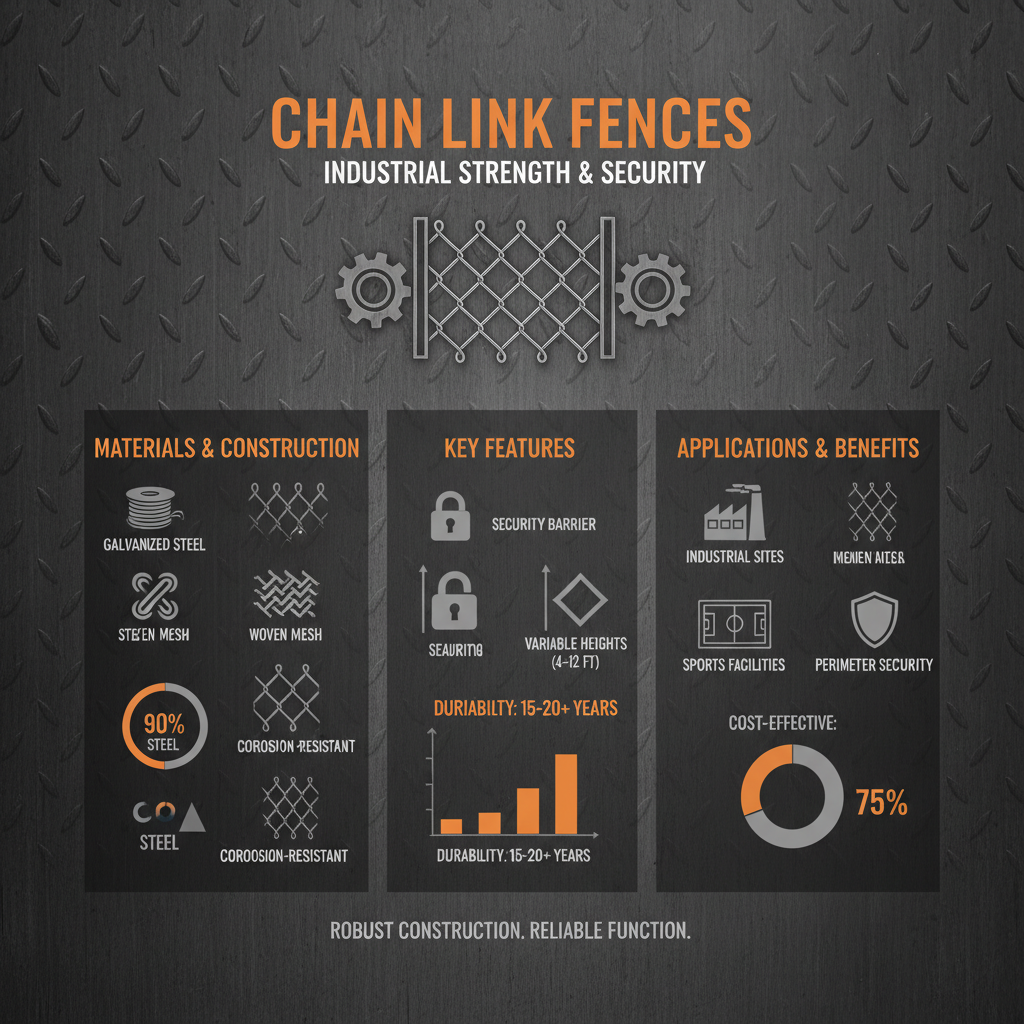
A chain link fence, at its core, is a woven mesh of galvanized or PVC-coated steel wire. The wires are bent into interlocking loops and connected to form a diamond pattern. This construction provides significant tensile strength and flexibility, allowing the fence to withstand substantial pressure without breaking. The versatility of chain link fencing stems from its ability to be adapted to various heights and configurations.

In a modern context, chain link fences serve as more than just property markers. They are vital components in perimeter security for critical infrastructure, industrial facilities, and residential areas. They are also frequently used in recreational settings like sports fields and playgrounds.

The historical roots of chain link fencing trace back to the late 19th century, evolving from earlier wire mesh designs used for agricultural purposes. Its adoption as a widespread security solution accelerated throughout the 20th century, coinciding with the growth of urbanization and the increasing need for perimeter protection.

Core Components of Chain Link Fences

The fundamental strength of a chain link fence resides in its interconnected components. The fabric itself, usually galvanized steel, is the primary barrier, and its gauge (thickness) directly impacts the fence's durability. The posts, typically steel or aluminum, provide structural support and are cemented into the ground for stability.

Top rails, stretched horizontally between posts, add rigidity and prevent sagging. Brace bands and tension bands secure the fabric to the posts, while tension wire provides additional support to maintain fabric tautness. Finally, fittings like gate posts, hinges, and latches complete the system, providing controlled access points. The quality of each of these components is critical to the overall performance and longevity of the fence.

The galvanized coating on steel chain link fabric is a key aspect of its corrosion resistance. PVC coating provides an even higher level of protection, extending the lifespan of the fence in harsh environments. The choice of materials and coatings depends heavily on the specific application and the environmental conditions to which the fence will be exposed.

Key Performance Indicators of Chain Link Fences

Evaluating the performance of Chain Link Fences involves considering several crucial factors. Security level is paramount, measured by the gauge of the wire and the height of the fence. A heavier gauge wire and increased height offer greater resistance to intrusion.

Durability, or the ability to withstand environmental conditions, is also key. Galvanization and PVC coating significantly impact durability, protecting against rust and corrosion. Cost-effectiveness is a major advantage of Chain Link Fences, providing a substantial security barrier at a relatively low price point.

Chain Link Fence Performance Metrics

Global Applications and Use Cases

Chain Link Fences find application across a vast range of sectors globally. In residential areas, they provide property boundary delineation and pet containment. In commercial settings, they secure industrial facilities, warehouses, and construction sites.

Government agencies utilize chain link fencing for perimeter security at critical infrastructure like power plants, water treatment facilities, and military installations. In post-disaster relief operations, chain link fences can be quickly deployed to establish temporary security perimeters and control access to affected areas.

Advantages and Long-Term Value

The advantages of choosing Chain Link Fences are multifaceted. Cost-effectiveness is a major draw, offering a significant security barrier at a fraction of the price of other fencing options. Durability ensures a long service life, minimizing replacement costs and maintenance requirements.

Chain Link Fences offer a high level of security, effectively deterring unauthorized access. They also provide a clear line of sight, enhancing surveillance capabilities. The relative ease of installation further contributes to their overall value, reducing labor costs and project timelines.

Future Trends and Innovations

The future of Chain Link Fences lies in incorporating smart technologies and sustainable materials. The integration of sensors and security systems, such as motion detectors and alarms, can enhance their security capabilities. Exploring the use of recycled materials in fence fabrication aligns with growing sustainability concerns.

Innovative coating technologies, offering increased corrosion resistance and aesthetic appeal, are also emerging. Automated installation techniques and remote monitoring systems promise to streamline maintenance and enhance overall efficiency. The development of “smart fences” capable of real-time threat detection and automated response will further enhance their value.

Summary of Future Trends in Chain Link Fencing

Trend Category Innovation Focus Impact on Performance Implementation Timeline
Smart Security Integrated sensors and alarms Enhanced threat detection and response Short-term (1-3 years)
Sustainable Materials Recycled steel and eco-friendly coatings Reduced environmental impact Medium-term (3-5 years)
Coating Technology Advanced anti-corrosion and aesthetic coatings Extended fence lifespan and visual appeal Short-term (1-3 years)
Automated Installation Robotic fence installation systems Reduced labor costs and faster deployment Medium-term (3-5 years)
Remote Monitoring IoT-enabled fence monitoring systems Proactive maintenance and damage detection Short-term (1-3 years)
Predictive Maintenance AI-powered assessment of fence integrity Reduced long-term repair costs Long-term (5+ years)

FAQS

What is the typical lifespan of a galvanized chain link fence?

The lifespan of a galvanized chain link fence typically ranges from 10 to 20 years, depending on environmental factors and maintenance. Coastal areas with high salinity will experience faster corrosion. Regular inspection and the application of protective coatings can significantly extend the fence's longevity. Choosing a heavier gauge wire and a high-quality galvanization process also contributes to a longer lifespan.

How can I prevent rust on a chain link fence?

Preventing rust involves several measures. Ensuring proper galvanization during manufacturing is crucial. Regular cleaning to remove dirt, debris, and salt deposits is important. Applying a rust-inhibiting coating annually can provide added protection. Promptly repairing any damaged areas or scratches in the galvanization will prevent rust from spreading. Consider a PVC-coated chain link fence for superior corrosion resistance.

What height chain link fence is considered standard for residential use?

The most common height for residential chain link fences is 6 feet. However, local zoning regulations may dictate permissible heights. 4-foot fences are often used for pet containment, while 8-foot fences are sometimes used for increased privacy and security. It’s essential to check local ordinances before installing a chain link fence to ensure compliance.

Is a permit required to install a chain link fence?

Permit requirements vary significantly depending on your location and the height of the fence. Many municipalities require permits for fences exceeding a certain height (often 6 feet). Permits ensure compliance with zoning regulations, property line restrictions, and safety standards. It's crucial to check with your local building department before beginning installation.

How often should a chain link fence be inspected for maintenance?

Ideally, a chain link fence should be inspected at least twice a year – once in the spring and again in the fall. Look for signs of corrosion, damaged wire, loose connections, and leaning posts. Addressing minor issues promptly can prevent them from escalating into costly repairs. Regular maintenance extends the fence's lifespan and ensures continued security.

What are the advantages of a PVC-coated chain link fence?

PVC-coated chain link fences offer superior corrosion resistance compared to galvanized steel, making them ideal for harsh environments. The coating also provides a more aesthetically pleasing appearance and comes in various colors. While more expensive upfront, the extended lifespan and reduced maintenance costs often make PVC-coated fences a worthwhile investment.

Conclusion

Chain Link Fences remain a foundational element of security and containment solutions across the globe. Their affordability, durability, and adaptability continue to drive widespread adoption in residential, commercial, and industrial settings. Understanding the core components, performance indicators, and future trends associated with chain link fencing allows for informed decision-making and effective implementation.

As technology advances and sustainability concerns grow, chain link fences are evolving to incorporate smart features and eco-friendly materials. By embracing these innovations, we can further enhance their performance, longevity, and environmental responsibility, ensuring they remain a vital component of our built environment for decades to come. For all your chain link fencing needs, visit our website: Chain Link Fences

Michael Thompson

Michael Thompson

Michael Thompson is a Senior Logistics Manager at Dingzhou Huaxin Metals Products, responsible for overseeing the efficient distribution of products throughout North America. Michael has 10+ years of experience in supply chain management and logistics. He ensures timely delivery, optimized shipping costs, and adherence to all relevant import/export regulations. He
Previous Enhancing Outdoor Spaces with Durable Pvc Fence Garden Solutions
Next Galvanized Welded Mesh The Foundation of Durable Structures

If you are interested in our products, you can choose to leave your information here, and we will be in touch with you shortly.