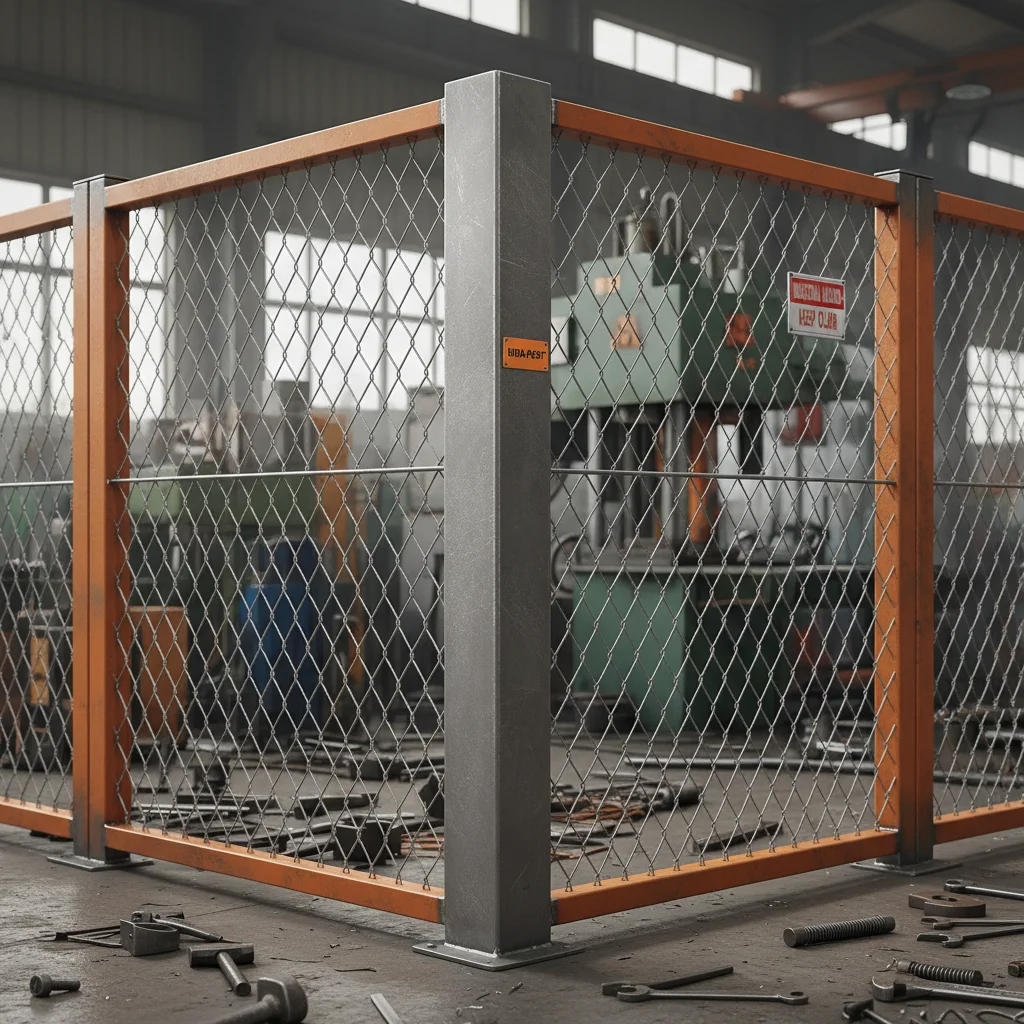
The livestock industry relies heavily on secure perimeter management to ensure animal safety, prevent livestock loss, and maintain pasture integrity. A high-quality Cattle Fence is more than just a physical barrier; it is a critical investment in farm infrastructure that optimizes grazing patterns and protects valuable assets from predators and accidental escapes.
Across the globe, from the vast plains of North America to the rugged terrains of Australia, the choice of fencing materials directly impacts the operational efficiency of agricultural enterprises. Modern engineering has evolved these barriers from simple wooden stakes to sophisticated high-tensile steel systems that offer unprecedented strength and longevity, reducing the long-term maintenance burden on farmers.
Understanding the nuances of material selection, tensioning techniques, and environmental resistance is essential for any landowner. By integrating advanced metallurgy and strategic design, today's fencing solutions provide a balanced approach to cost-effectiveness and security, ensuring that livestock management remains sustainable in an ever-changing global climate.
Global Relevance of Cattle Fence Systems
On a global scale, the demand for robust Cattle Fence solutions is driven by the necessity of sustainable food production. According to agricultural data, improper containment leads to significant annual losses in livestock value and crop damage. In emerging economies, the transition from traditional organic barriers to industrial-grade wire mesh is a key indicator of agricultural modernization, enabling farmers to scale their operations with confidence.
Furthermore, international standards such as ISO certifications for galvanized coatings ensure that these fences can withstand diverse climatic conditions, from the humid tropics to the freezing tundra. This standardization allows for a global trade in high-performance fencing materials, ensuring that a rancher in Brazil has access to the same structural reliability as one in Canada, thereby stabilizing the global meat and dairy supply chains.
Defining Modern Cattle Fence Specifications
In simple technical terms, a Cattle Fence is a specialized containment system engineered from high-tensile steel or galvanized iron wire, designed to prevent the movement of livestock across specific boundaries. Unlike residential fencing, these systems are built to withstand immense lateral pressure from leaning animals and the corrosive effects of outdoor exposure over several decades.
Modern industrial definitions now include the integration of "smart" components, such as electric offsets and tensioning devices that allow the fence to be adjusted as the ground shifts or as the livestock age. This evolution transforms the fence from a static wall into a dynamic management tool that supports rotational grazing practices, which are essential for soil health and grass regeneration.
Ultimately, the purpose of these systems is to bridge the gap between traditional animal husbandry and industrial efficiency. By providing a secure, low-maintenance perimeter, producers can focus on genetic improvement and animal welfare rather than constant boundary repair, aligning with global humanitarian goals of food security and efficient resource utilization.
Core Components for Maximum Durability
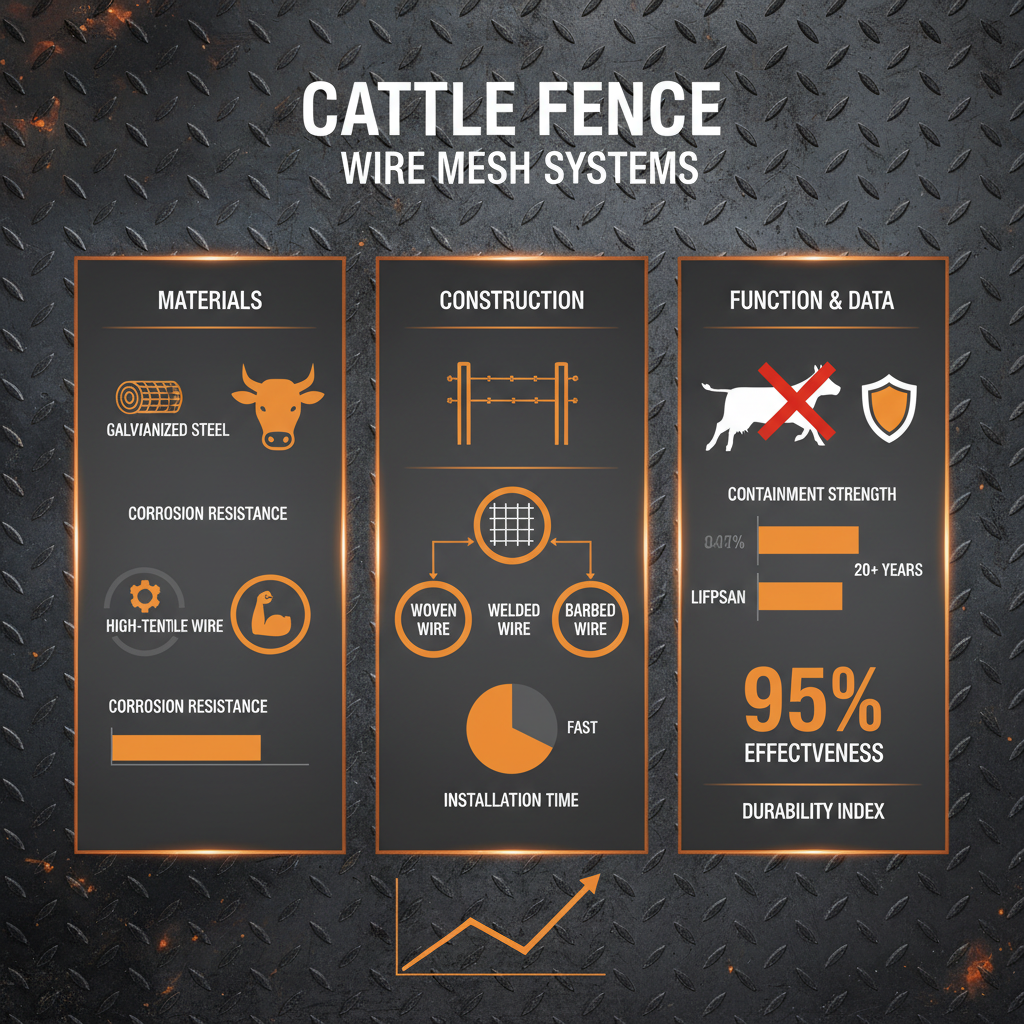
The effectiveness of a Cattle Fence depends primarily on its material composition. High-tensile steel is often the gold standard because it resists stretching far better than standard soft-wire, meaning the fence remains taut over longer distances and requires fewer support posts, which significantly lowers initial installation costs.
Corrosion resistance is another critical factor; the use of Hot-Dip Galvanizing (HDG) ensures that the wire is coated in a thick layer of zinc. This chemical barrier prevents rust and oxidation, which is vital when the Cattle Fence is exposed to acidic soils or salty coastal air, extending the product's lifespan from a few years to several decades.
Finally, the geometry of the weave—specifically the "fixed-knot" design—prevents the horizontal wires from sliding. This structural stability ensures that the Cattle Fence maintains its shape even when cattle lean against it, preventing the "sagging" effect common in low-quality woven wires and maintaining a consistent deterrent for the animals.
Global Applications and Use Cases
The practical application of these systems varies wildly depending on the geography. In the vast grasslands of Australia, wide-span high-tensile systems are used to manage thousands of hectares with minimal human intervention. In these remote industrial zones, the focus is on scalability and the ability to quickly repair sections using standardized tensioning tools without needing heavy machinery.
In contrast, European farming often utilizes a combination of wire mesh and electric fencing to facilitate "mob grazing," a sustainable method where cattle are moved frequently to improve pasture health. In these contexts, the Cattle Fence acts as a permanent outer perimeter, while temporary internal divisions allow for precision land management and carbon sequestration.
Performance Comparison of Cattle Fence Types
Long-Term Value and Economic Advantages
Investing in a premium Cattle Fence provides a tangible return on investment through reduced labor costs. Lower-grade fences require annual tightening and frequent patching, whereas professional-grade systems are designed for "install and forget" reliability. This allows farm managers to reallocate manpower toward more productive tasks, such as herd health monitoring and crop rotation.
Beyond the financial metrics, there is a significant emotional and psychological benefit: peace of mind. The reliability of a high-quality fence reduces the stress of potential livestock breakouts, which can lead to legal disputes with neighbors or the loss of high-value breeding stock. This stability fosters a sense of trust in the infrastructure, enabling the rancher to innovate and expand their business with security.
Future Trends in Fencing Innovation
The future of the Cattle Fence is leaning heavily toward "Smart Agriculture" (AgriTech). We are seeing the emergence of integrated sensor networks embedded within fence posts that can detect a breach in real-time and alert the owner via a smartphone app. This digital transformation reduces the need for manual perimeter checks and allows for immediate response to predator attacks or fence failures.
Sustainability is also driving material innovation. New polymer coatings are being developed to augment traditional galvanization, offering even higher resistance to salt-spray environments while being more eco-friendly during the manufacturing process. These "green" coatings reduce the chemical footprint of the livestock industry without compromising the strength of the steel.
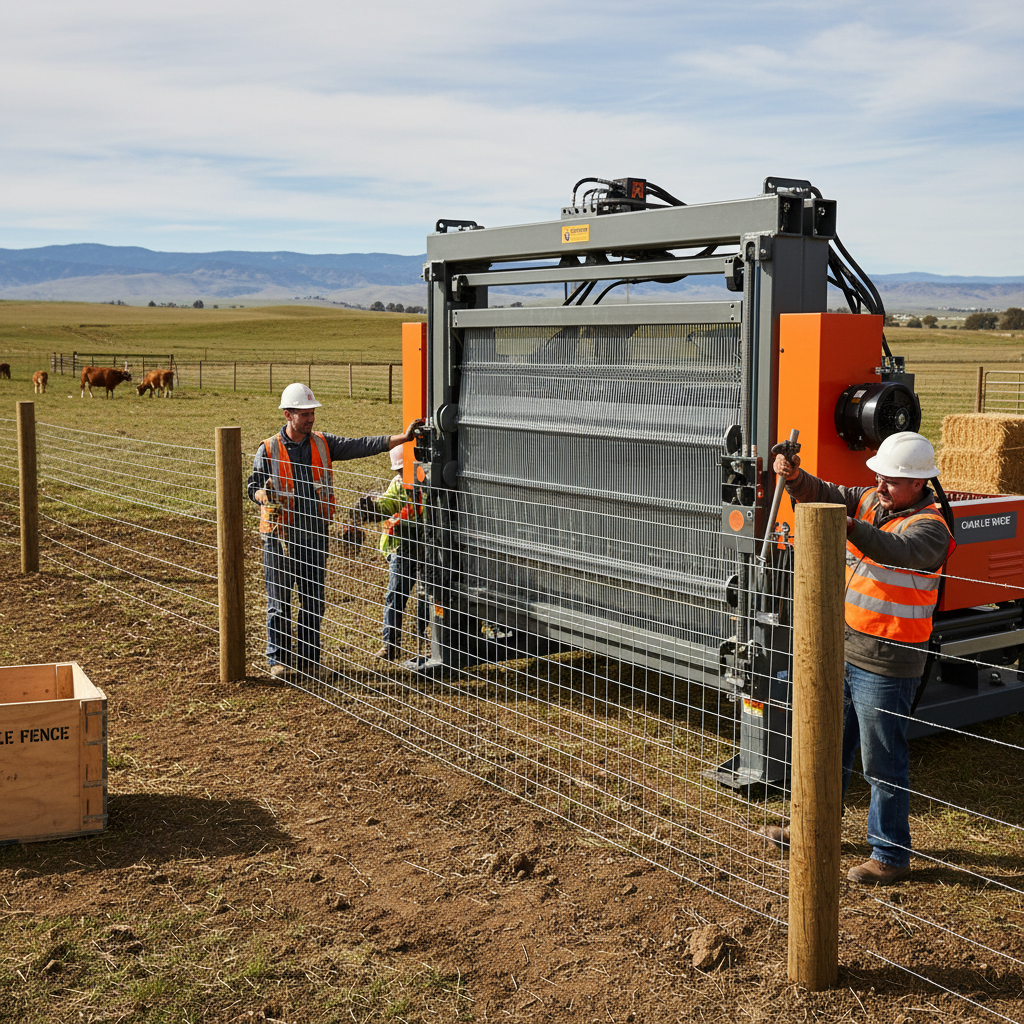
Additionally, automation in installation is becoming more common. Robotic post-drivers and automated wire-tensioning machines are reducing the physical toll on workers and ensuring that every inch of the Cattle Fence is installed to exact engineering specifications, eliminating the human error that often leads to premature failure.
Overcoming Common Installation Challenges
One of the most frequent challenges in deploying a Cattle Fence is dealing with uneven terrain. Slopes and rocky soil can cause tension imbalances, leading to the fence snapping or sagging. The expert solution is the use of "floating" brackets and strategic corner bracing, which distributes the load across multiple posts rather than concentrating it on a single point.
Another common issue is the "push-through" effect, where animals attempt to force their way under or through the mesh. This is best solved by integrating a reinforced bottom wire or using a "hinge-joint" construction that allows the fence to contour to the ground. Proper grounding is also essential when combining wire mesh with electric offsets to ensure maximum deterrence.
Finally, many users struggle with over-tensioning, which can warp the posts or stretch the wire beyond its elastic limit. Utilizing calibrated tensioning tools instead of manual pulling ensures the fence remains within its optimal stress range, guaranteeing a long service life and structural integrity.
Comparative Analysis of Cattle Fence Installation Variables
| Terrain Type |
Recommended Material |
Difficulty Score (1-10) |
Expected Lifespan |
| Flat Grassland |
High-Tensile Woven |
3 |
25+ Years |
| Hilly/Mountainous |
Hinge-Joint Mesh |
8 |
20 Years |
| Coastal/Salty Air |
HDG + Polymer Coat |
5 |
30 Years |
| Rocky Soil |
Reinforced Steel Cable |
9 |
15-20 Years |
| Wetlands/Marsh |
Galvanized Chainlink |
6 |
12-15 Years |
| Forest/Brush |
High-Tensile Barb |
7 |
20 Years |
FAQS
For maximum longevity, Hot-Dip Galvanized (HDG) high-tensile steel is the best choice. High-tensile steel resists stretching and sagging, while the galvanization process protects the metal from rust and corrosion. For extremely harsh environments, adding a polymer coating can further extend the lifespan of the fence by providing an extra layer of chemical protection.
While high-tensile systems require far less maintenance than soft-wire, it is recommended to inspect the tension every 6 to 12 months. Changes in temperature can cause the metal to expand and contract, and soil shifts can loosen posts. A quick adjustment with a professional tensioner ensures the fence remains a secure barrier and prevents animals from pushing through.
It depends on the mesh size. Standard cattle fences are designed for larger livestock. To prevent smaller animals like goats or dogs from passing through, you should select a fence with smaller apertures (the space between wires) or install a specialized "predator mesh" at the bottom 24 inches of the fence to secure the perimeter.
Neither is "better"; they serve different purposes. Traditional wire mesh provides a physical, structural barrier that is essential for permanent boundaries. Electric fencing provides a psychological barrier. The most effective approach is a hybrid system: a sturdy physical Cattle Fence for security, with an electric offset wire to discourage animals from leaning or rubbing against the mesh.
To prevent rot, you can use pressure-treated lumber or, preferably, galvanized steel posts. If using wood, applying a non-toxic sealant to the bottom of the post before installation can help. Additionally, ensuring proper drainage around the post base prevents water from pooling, which significantly slows down the decay process of the organic material.
High-tensile wire typically has a higher upfront material cost per roll. However, because it is stronger, it requires fewer support and brace posts over long distances. When you calculate the total cost of materials and the reduction in long-term labor for maintenance, high-tensile systems are generally more cost-effective over a 5-to-10-year period.
Conclusion
The implementation of a professional Cattle Fence is a foundational element of successful livestock management. By combining high-tensile steel, advanced galvanization, and strategic installation techniques, producers can ensure the safety of their animals and the efficiency of their land use. The transition from simple barriers to engineered systems not only protects immediate assets but also enhances the overall sustainability of the farming operation.
Looking forward, the integration of AgriTech and eco-friendly materials will continue to redefine the boundaries of animal containment. We encourage landowners to move beyond the "cheapest option" mindset and invest in infrastructure that offers long-term reliability and lower lifecycle costs. For those seeking industry-leading fencing solutions and professional guidance, visit our website: www.huaxinmesh.com