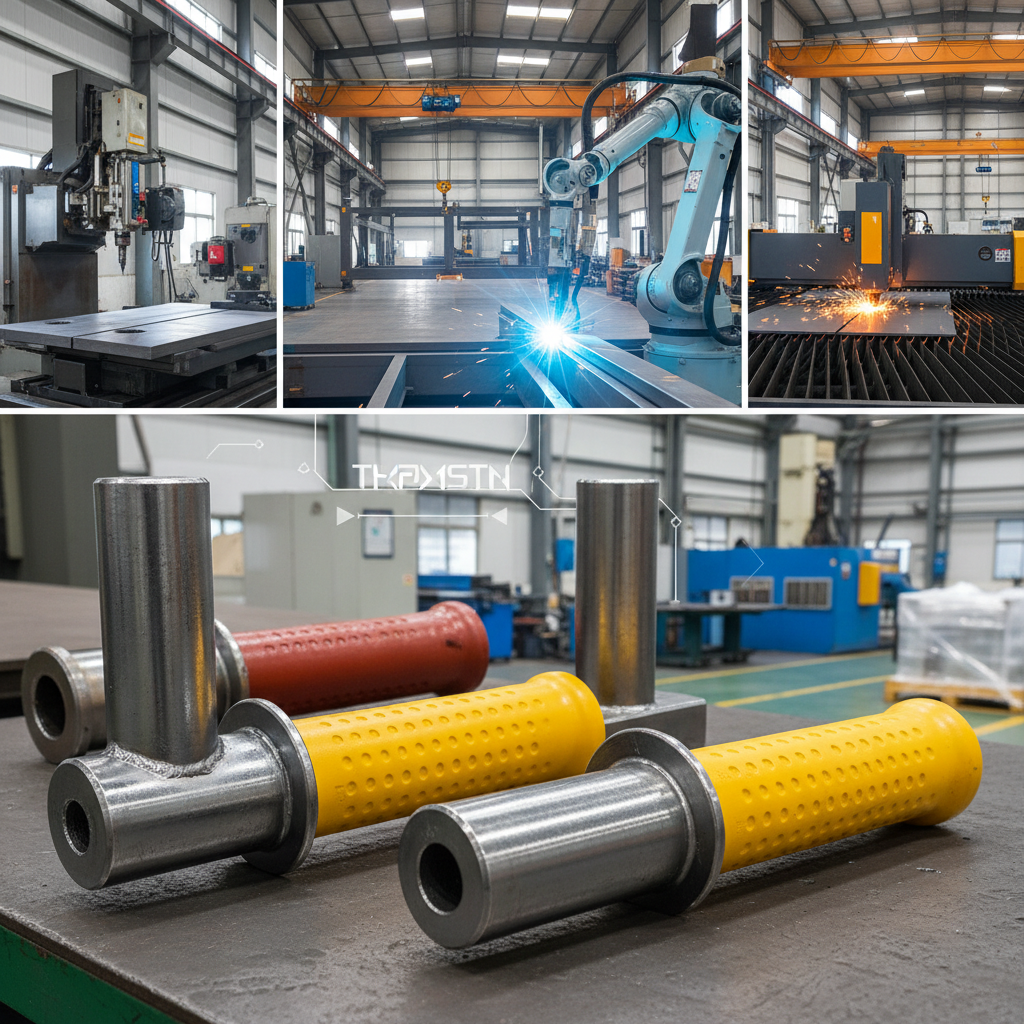
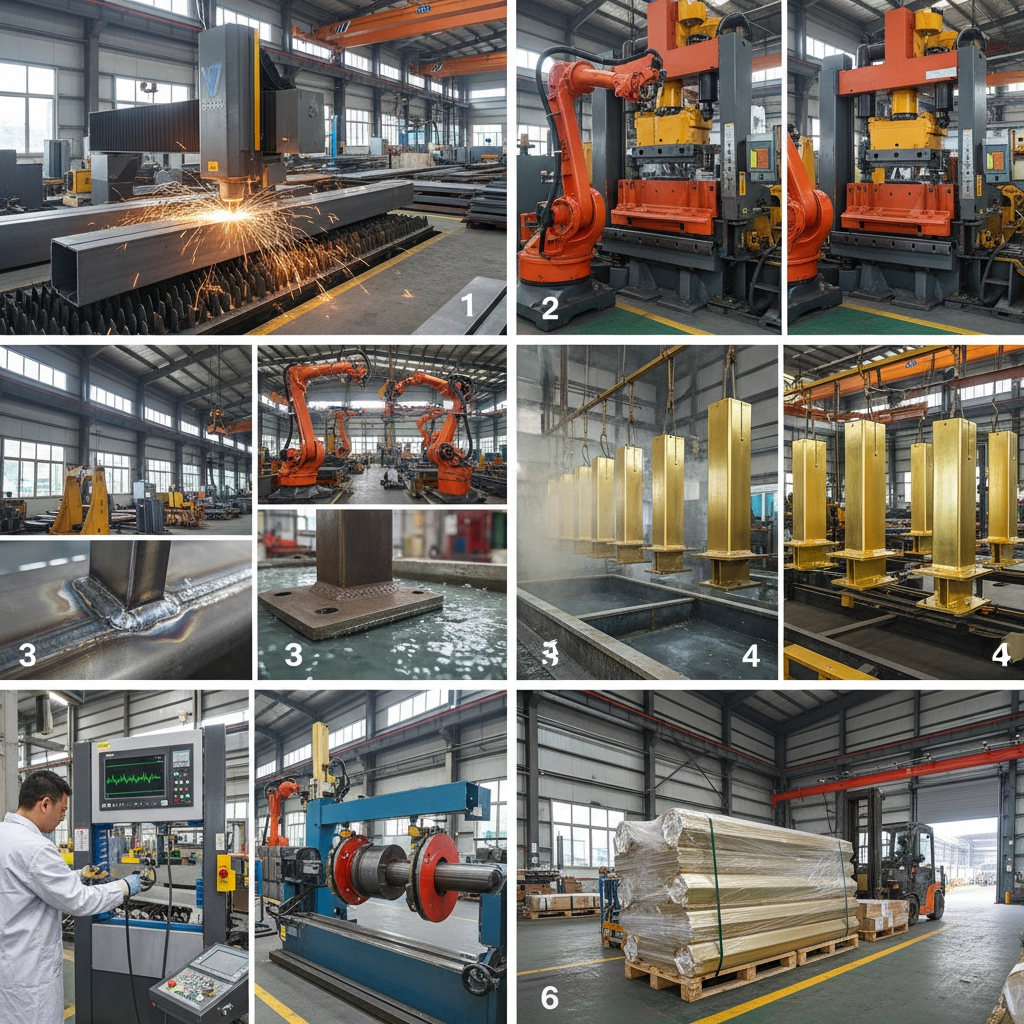
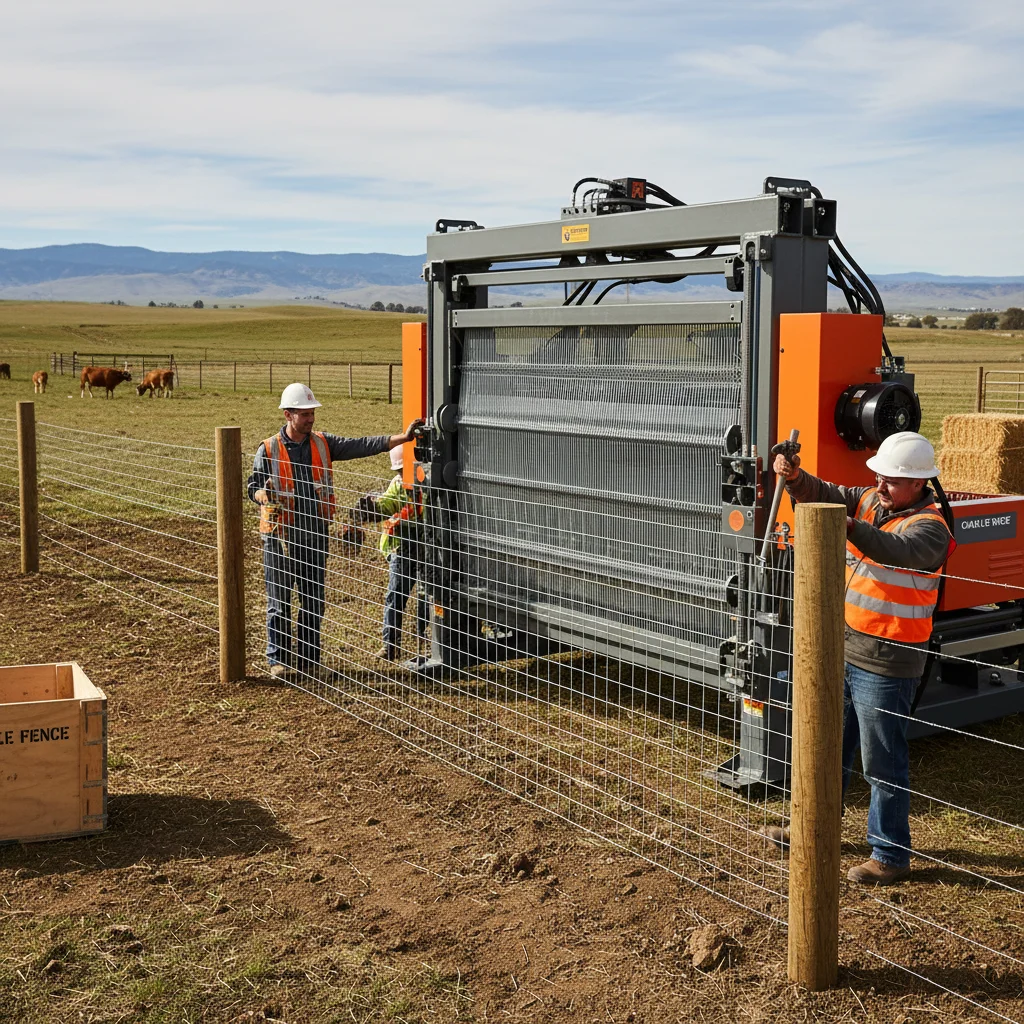
Installing a secure perimeter requires more than just high-quality fencing; it requires the right tools to ensure stability and longevity. T Post Drivers are essential implements designed to drive steel T-posts into the ground with precision and minimal effort, eliminating the need for laborious manual hammering. By streamlining the installation process, these tools ensure that every post is driven to the correct depth, providing a firm foundation for agricultural, industrial, and residential boundaries.
Globally, the demand for efficient fencing solutions has surged as land management becomes more critical for livestock control and property security. The use of specialized T Post Drivers addresses the common challenge of soil variability, allowing operators to penetrate hard-packed earth or rocky terrain without damaging the post's structural integrity. This efficiency not only saves significant labor costs but also reduces physical strain on workers, making large-scale fencing projects feasible in shorter timeframes.
Understanding the mechanics and selection of the right driver is key to achieving professional-grade results. Whether you are dealing with sprawling ranch lands or precise garden boundaries, the integration of ergonomic and durable T Post Drivers ensures that your fencing system remains upright and tensioned for years to come. In this guide, we explore the technical specifications, global applications, and future innovations of these indispensable metalworking tools.
Global Relevance and Industry Context of T Post Drivers
On a global scale, the infrastructure for land demarcation is a cornerstone of agricultural productivity and territorial security. The industry surrounding T Post Drivers is inextricably linked to the global steel and fencing market, which sees billions of linear feet of fencing installed annually. According to industrial trends, the shift toward mechanized installation tools has seen a marked increase as labor costs rise and the need for rapid deployment grows in emerging economies.
The primary challenge faced by land managers is the inconsistency of soil composition, ranging from sandy loams to heavy clays. Without the focused force provided by professional T Post Drivers, posts often bend or fail to reach the necessary depth, leading to fence sag and structural failure. This creates a critical need for tools that can deliver maximum kinetic energy while maintaining the vertical alignment of the post.
Definition and Technical Meaning of T Post Drivers
At its core, a T Post Driver is a heavy-duty manual or pneumatic tool designed specifically to fit over the top of a T-shaped steel fence post. Its primary function is to guide the post into the ground while concentrating the force of a strike directly onto the post's head. Unlike a standard sledgehammer, which can slip or strike the post at an angle, the driver encapsulates the post, ensuring that the energy is transferred vertically and efficiently.
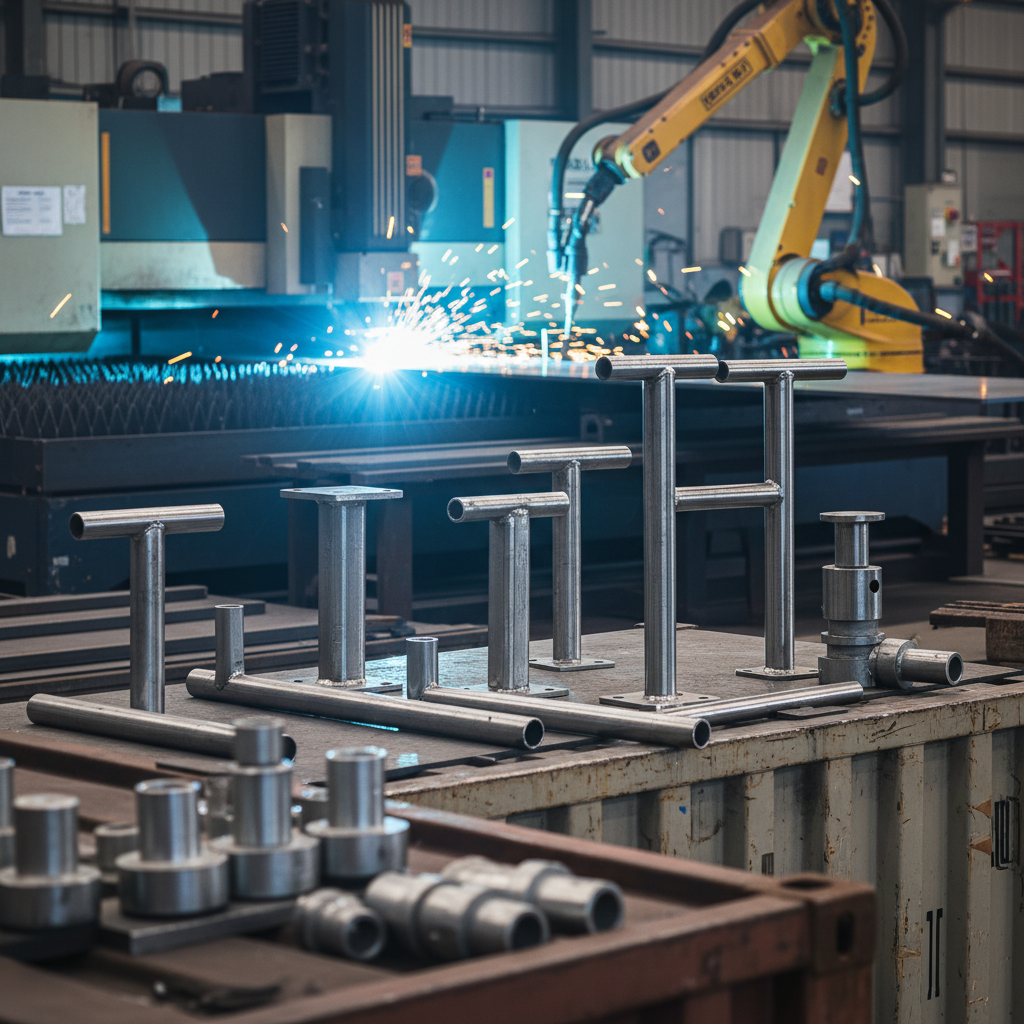
In the context of modern metalworking and construction, these tools represent a bridge between primitive manual labor and full-scale industrial automation. They are often manufactured from high-carbon steel or reinforced alloys to withstand thousands of impact cycles without warping. The design usually includes a weighted head and a sliding sleeve, which allows the user to maintain a consistent rhythm and depth.
Beyond simple construction, T Post Drivers play a vital role in humanitarian and disaster relief efforts. When rapid boundaries need to be established for temporary shelters or livestock enclosures in post-disaster zones, these tools allow small teams to secure large areas quickly, providing safety and order in chaotic environments.
Key Factors for High-Performance T Post Drivers
Durability is the foremost requirement for any professional-grade T Post Drivers. Because these tools are subject to constant high-impact stress, the choice of material is critical. Heat-treated steel is typically utilized to prevent the striking surface from mushrooming over time, ensuring that the tool maintains its precision and safety throughout its operational lifespan.
Ergonomics and weight distribution are equally important. A well-balanced T Post Drivers unit reduces user fatigue by optimizing the center of gravity, allowing the tool to do the heavy lifting. This minimizes the risk of musculoskeletal injuries for workers who may be installing hundreds of posts in a single day across uneven terrain.
Finally, versatility in fit and compatibility ensures that the tool can handle various post gauges. The internal diameter of the sleeve must be tight enough to prevent wobbling but loose enough to allow the post to slide freely as it descends. High-quality T Post Drivers often feature reinforced rims to prevent the sleeve from spreading under extreme pressure.
Global Applications and Use Cases of T Post Drivers
The application of T Post Drivers spans across diverse sectors, from large-scale cattle ranching in the Americas to vineyard management in Europe. In agricultural settings, these tools are used to install high-tensile wire fences that protect crops and manage livestock movement. The speed of installation provided by these drivers is critical during seasonal windows when fencing must be completed before planting or grazing cycles begin.
In industrial and remote zones, such as mining sites or oil fields, T Post Drivers are used to establish security perimeters and safety barriers. In these environments, the ground is often compacted or contaminated with debris, making the precision and force of a dedicated driver far superior to traditional methods. Their portability makes them ideal for sites where heavy machinery cannot easily access.
Efficiency Comparison of Post Installation Methods
Long-Term Value and Advantages of T Post Drivers
The primary tangible benefit of investing in high-quality T Post Drivers is the drastic reduction in labor hours. By eliminating the "hit-and-miss" nature of manual hammering, these tools allow a single operator to do the work of three, significantly lowering the project's overall cost. Moreover, the consistency in post depth leads to a more stable fence line, which reduces long-term maintenance costs and the need for premature post replacement.
Beyond the logic of cost and efficiency, there is a significant safety and dignity aspect. Reducing the physical toll on the human body prevents chronic injuries and enhances worker morale. The confidence that comes from using a tool that "just works" builds trust in the construction process and ensures that the final product—the fence—is a symbol of security and professionalism rather than a rushed, unstable barrier.
Future Trends and Innovations in T Post Drivers
The future of T Post Drivers is moving toward a blend of materials science and smart automation. We are seeing the introduction of lightweight aerospace alloys that provide the same striking mass as steel but with significantly less weight, reducing fatigue without sacrificing power. Additionally, some manufacturers are experimenting with vibration-dampening handles to further protect the user's joints.
Digital transformation is also touching this traditional tool. While a manual driver is simple, the integration of IoT-enabled sensors in pneumatic drivers can now track the number of posts driven and the force applied, allowing project managers to monitor progress in real-time via mobile apps. This data-driven approach ensures quality control across massive industrial sites.
Sustainability is another driving force. The move toward "green" manufacturing means that T Post Drivers are increasingly being made from recycled high-grade steel. Furthermore, the shift toward electric-powered handheld drivers is reducing the reliance on fossil-fuel-powered compressors, aligning the fencing industry with global carbon-reduction goals.
Challenges and Expert Solutions for T Post Drivers
One of the most common challenges when using T Post Drivers is "post buckling," which occurs when the driver is not perfectly vertical or the soil is too dense. To solve this, experts recommend a "pre-pilot" hole in extremely rocky terrain or using a driver with a wider stabilization base that prevents the tool from tilting during the strike.
Another limitation is the wear and tear on the internal sleeve. Over time, friction can cause the interior to rough up, making it difficult to slide the driver off the post. The professional solution is the application of a dry-film lubricant or the selection of drivers with a hard-chrome plated interior, which significantly reduces friction and extends the tool's lifespan.
Finally, for very large projects, manual drivers can still be slow. The innovative approach here is the adoption of modular driver attachments that can be switched between different post sizes and types without needing entirely new tools. This versatility allows contractors to remain agile and responsive to varying project requirements on a single site.
Technical Analysis and Comparison of T Post Driver Specifications
| Driver Model |
Material Grade |
Impact Force Rating |
Durability Score (1-10) |
| Standard Steel |
ASTM A36 Steel |
Medium |
6 |
| Heavy Duty Alloy |
4140 Chromoly |
High |
9 |
| Professional Series |
Heat-Treated Carbon |
Very High |
8 |
| Lightweight Pro |
Reinforced Aluminum/Steel |
Medium-High |
7 |
| Industrial Pneumatic |
Cast Alloy Steel |
Extreme |
10 |
| Eco-Recycled Line |
Recycled Forge Steel |
Medium |
7 |
FAQS
A T Post Driver is specifically engineered to encapsulate the post, which prevents the tool from slipping and ensures that all the impact force is directed vertically. A standard hammer often strikes the post at an angle, which can bend the steel and lead to uneven fence lines, whereas a driver ensures precision and speed.
Yes, they are designed for this purpose. However, in extremely rocky terrain, it is recommended to use a heavy-duty alloy driver. If the post hits a large rock, we suggest using a pilot bar to create a small opening first, which prevents the post from buckling under the force of the driver.
To prevent sticking, ensure you are using a driver with a smooth interior finish. Applying a small amount of dry silicone lubricant or graphite powder to the inside of the sleeve can significantly reduce friction. Additionally, always ensure the post is straight before striking.
For industrial use, heat-treated 4140 Chromoly steel is the gold standard. It offers the best balance of hardness and toughness, meaning it can withstand millions of impacts without the striking face "mushrooming" or the sleeve warping, providing the highest ROI over several years.
Yes, pneumatic drivers are available for high-volume commercial projects. These tools use compressed air to drive the post into the ground rapidly, drastically reducing manual labor. They are ideal for contractors installing miles of fencing who have access to air compressors on-site.
Check the gauge and outer diameter of your T-posts. Most T Post Drivers are designed for standard sizes, but you should verify that the driver's internal diameter matches your post. A fit that is too loose will cause the post to tilt, while one that is too tight will be difficult to remove.
Conclusion
In summary, T Post Drivers are far more than simple metal sleeves; they are critical efficiency tools that ensure the structural integrity of fences across agricultural, industrial, and humanitarian sectors. By combining durability, ergonomic design, and concentrated force, these tools solve the perennial problem of soil variability and labor exhaustion, providing a reliable method for securing perimeters globally.
As the industry moves toward smarter materials and sustainable manufacturing, the role of the T Post Driver will only become more prominent in professional land management. Whether you are a small-scale farmer or a large-scale industrial contractor, investing in high-quality driving equipment is the most effective way to ensure your fencing system remains secure, straight, and sustainable for decades to come. Visit our website for more professional solutions: www.huaxinmesh.com