3d Fence
Garden Gate
Exploring the Versatility and Durability of Chain Link Mesh Fencing Solutions

Exploring the Versatility and Durability of Chain Link Mesh Fencing Solutions

0%

Table of Contents

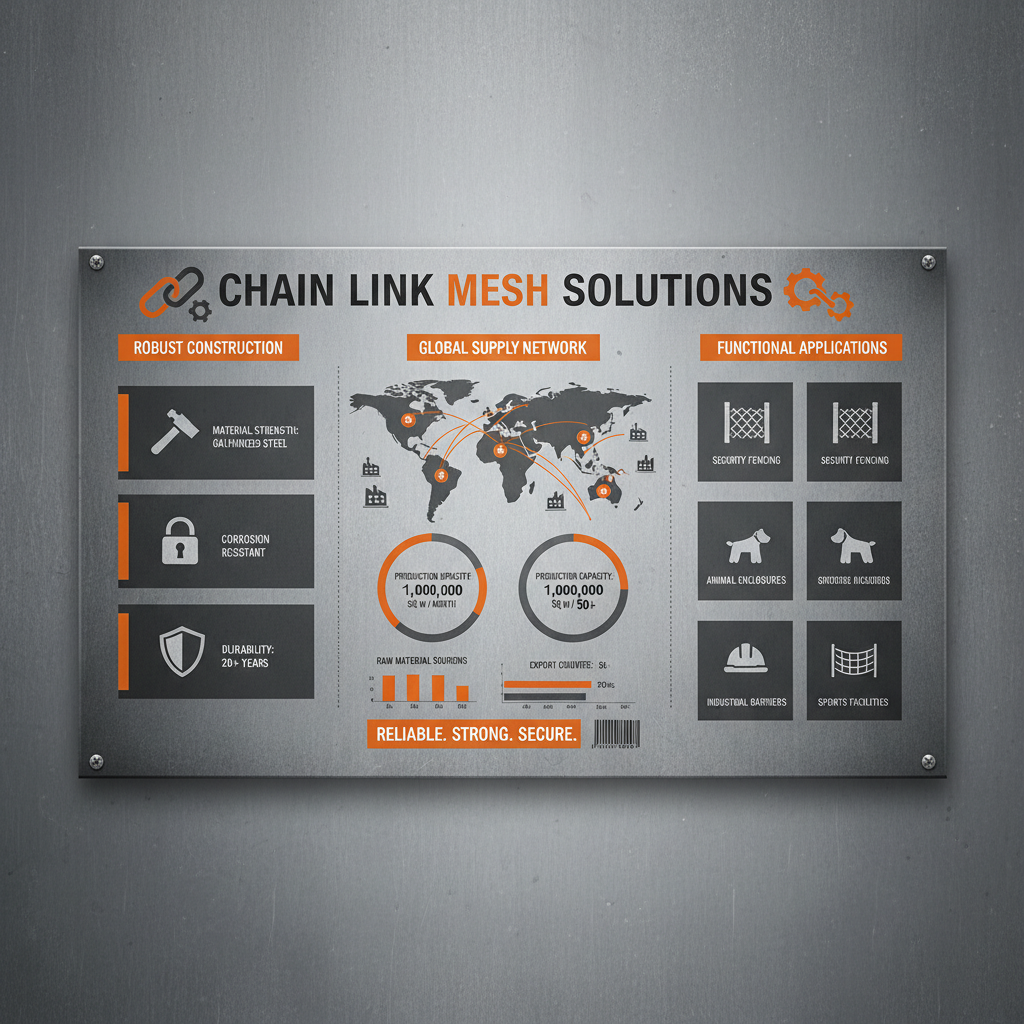
Chain Link Mesh, a ubiquitous and versatile woven fencing material, plays a critical role in a surprisingly diverse range of applications globally. From securing perimeters and protecting infrastructure to providing vital support in disaster relief and agricultural settings, its adaptability and cost-effectiveness make it a cornerstone of modern construction and security. Understanding the nuances of Chain Link Mesh – its materials, manufacturing processes, and evolving applications – is crucial for professionals across numerous industries and humanitarian organizations alike.

The global demand for Chain Link Mesh is substantial and consistently growing, driven by increasing security concerns, infrastructure development, and a rising need for affordable and rapidly deployable solutions. According to industry reports, the global fencing market, where Chain Link Mesh holds a significant share, is projected to reach billions of dollars in the coming years. Organizations like the ISO (International Organization for Standardization) establish quality standards for Chain Link Mesh, ensuring consistent performance and durability worldwide.

Chain Link Mesh is more than just a barrier; it's a foundational element supporting safety, security, and progress. Its inherent strength, relative affordability, and ease of installation contribute to its widespread adoption, making it an essential component of modern life, from residential properties to large-scale industrial facilities.
Chain Link Mesh

Introduction to Chain Link Mesh

Chain Link Mesh

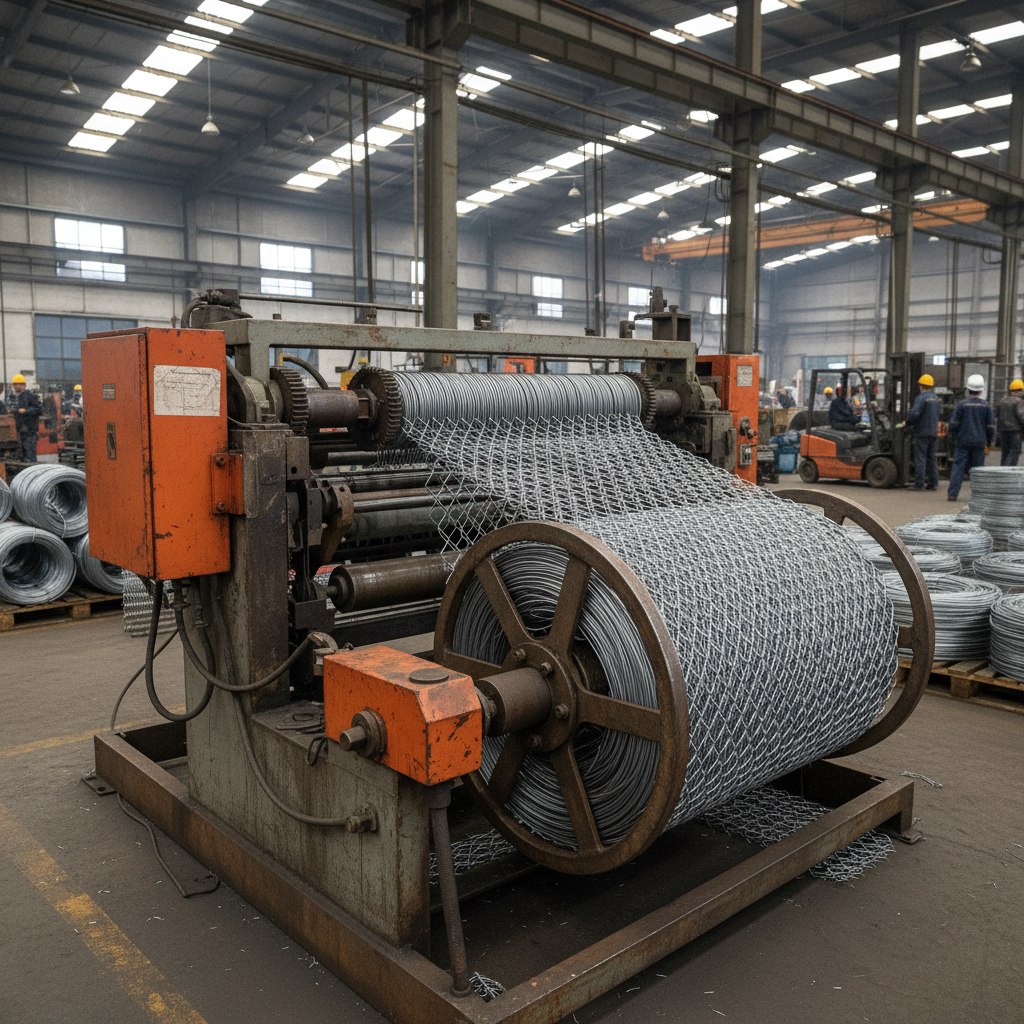
Chain Link Mesh's fundamental structure consists of interwoven wires forming a diamond-shaped pattern. This seemingly simple design provides exceptional strength and resilience, capable of withstanding considerable force and environmental stressors. It is commonly fabricated from galvanized steel, providing corrosion resistance, but can also be produced from stainless steel, aluminum, and even plastic-coated materials for specialized applications.

The evolution of Chain Link Mesh has been driven by the need for more durable, secure, and adaptable fencing solutions. Initially developed for industrial and agricultural purposes, its applications have expanded to encompass residential security, sporting facilities, and increasingly, disaster relief efforts where rapid deployment and robust construction are paramount. Its consistent development ensures it remains a critical component in a diverse array of needs.

Defining Chain Link Mesh

Chain Link Mesh, at its core, is a woven fabric created by interlocking galvanized (or otherwise treated) steel wires. The resulting mesh forms a flexible yet robust barrier widely used for fencing, security enclosures, and various industrial applications. It’s distinguished by its diamond-shaped openings and its relatively low cost compared to solid fencing materials.

The connection to modern industry is undeniable. Chain Link Mesh is an integral part of infrastructure projects, providing security for construction sites, airports, and power plants. In humanitarian settings, it’s deployed for creating temporary shelters, animal containment areas, and secure perimeters in refugee camps. Its strength and adaptability make it a pragmatic choice for challenging environments.

Furthermore, its use isn't limited to physical barriers. Chain Link Mesh finds applications in filtration systems, speaker grilles, and even as a reinforcement material in concrete structures, showcasing its versatility beyond traditional fencing.

Core Characteristics of Chain Link Mesh

One of the defining characteristics of Chain Link Mesh is its inherent flexibility. Unlike rigid fencing options, it can conform to uneven terrain and absorb impact, making it suitable for a wide variety of landscapes and applications. This flexibility doesn’t compromise strength; the interwoven structure distributes stress effectively.

Durability is paramount. Galvanization, the process of coating steel with zinc, is crucial in preventing rust and corrosion, extending the lifespan of the mesh even in harsh weather conditions. Higher-grade materials like stainless steel offer even greater resistance to environmental factors, making them ideal for coastal regions or chemically aggressive environments.

The scalability of Chain Link Mesh is also a significant advantage. It’s readily available in a variety of heights, gauges (wire thickness), and mesh sizes, allowing for customization to meet specific requirements. This modularity simplifies installation and makes it easy to expand or modify existing fencing systems.

Performance Metrics of Chain Link Mesh

Understanding the performance of Chain Link Mesh requires examining key metrics like tensile strength, coating thickness, and mesh aperture size. Tensile strength, measured in pounds per square inch (PSI), indicates the mesh’s resistance to breaking under tension. Coating thickness, typically assessed in zinc weight per square foot, directly correlates with corrosion resistance.

These performance characteristics directly impact suitability for specific applications. For example, a higher tensile strength is crucial for security fencing around high-value assets, while a thicker galvanization coating is essential for longevity in marine environments.

Chain Link Mesh Performance Comparison

Real-World Applications of Chain Link Mesh

Across North America, Chain Link Mesh is extensively used for securing residential properties, providing a cost-effective and reliable perimeter defense. In Europe, it’s common for delineating agricultural land and controlling livestock, leveraging its durability and weather resistance.

In post-disaster relief operations, organizations utilize Chain Link Mesh to create temporary shelters, establish secure zones for aid distribution, and manage displaced populations. In remote industrial zones, particularly in developing nations, it safeguards valuable equipment and restricts unauthorized access.

Advantages & Long-Term Value of Chain Link Mesh

The primary advantage of Chain Link Mesh lies in its cost-effectiveness. Compared to alternatives like wood, iron, or concrete fencing, it presents a significantly lower upfront investment. This affordability doesn’t compromise its longevity; properly maintained, a Chain Link Mesh fence can last for decades.

From a sustainability perspective, galvanized steel is recyclable, reducing its environmental impact. Beyond practical benefits, Chain Link Mesh offers peace of mind – a sense of security and protection for families and businesses. The inherent trust in its reliability builds confidence and contributes to a more secure environment.

Future Trends in Chain Link Mesh Technology

Innovation in Chain Link Mesh is focusing on enhanced coatings for increased corrosion resistance, particularly in harsh marine environments. Polymer coatings with self-healing properties are being developed to minimize maintenance and extend lifespan.

The integration of smart technologies is also emerging. Smart Chain Link Mesh fencing incorporating sensors and IoT connectivity can provide real-time security alerts, intrusion detection, and remote monitoring capabilities.

The shift towards more sustainable materials is another key trend. Researchers are exploring the use of recycled steel and alternative alloys to reduce the environmental footprint of Chain Link Mesh production. These advancements promise to deliver even more durable, secure, and environmentally responsible fencing solutions.

Analysis of Chain Link Mesh Material Characteristics

Material Type Corrosion Resistance (1-10) Tensile Strength (PSI) Cost (Relative)
Galvanized Steel 7 50,000 1.0x
Vinyl Coated Steel 8 45,000 1.5x
Stainless Steel (304) 9 70,000 3.0x
Aluminum 6 30,000 2.0x
Galvanized Steel - Heavy Duty 7.5 60,000 1.2x
PVC Coated Aluminum 7 25,000 2.5x

FAQS

What is the typical lifespan of a galvanized Chain Link Mesh fence?

A properly installed and maintained galvanized Chain Link Mesh fence can last anywhere from 15 to 30 years, depending on environmental factors and the quality of the galvanization process. Regular inspection and minor repairs can significantly extend its lifespan. Exposure to saltwater or industrial pollutants will reduce longevity. Applying a protective coating can further prolong its usability.

How does the gauge of the wire affect the strength of Chain Link Mesh?

The gauge of the wire refers to its thickness. A lower gauge number indicates a thicker wire and, therefore, greater strength and durability. For higher security applications or areas prone to vandalism, a lower gauge wire (e.g., 9 gauge) is recommended. For residential or light-duty applications, a higher gauge wire (e.g., 14 gauge) may suffice.

Is Chain Link Mesh suitable for sloped or uneven terrain?

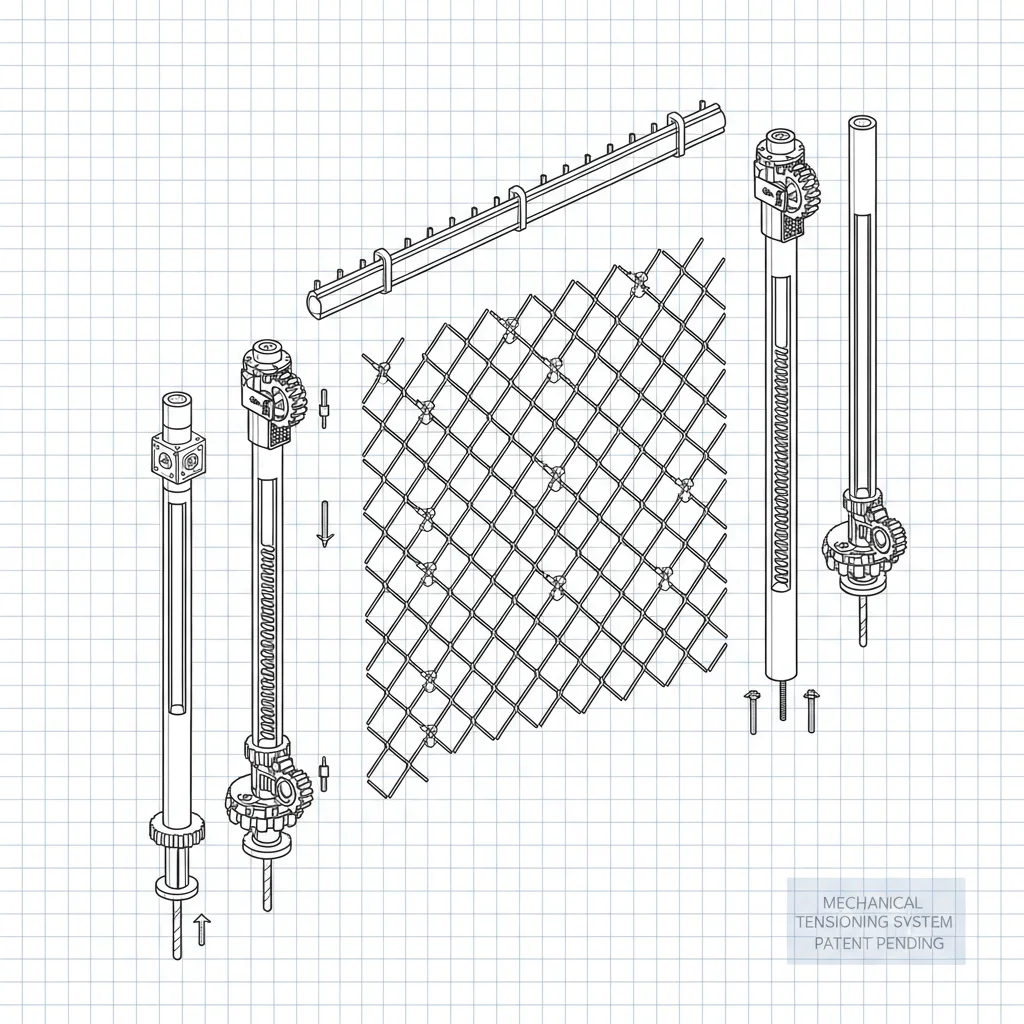
Yes, Chain Link Mesh is particularly well-suited for sloped or uneven terrain due to its inherent flexibility. The mesh can conform to the contours of the land, minimizing the need for extensive leveling or grading. However, proper post spacing and tensioning are crucial to ensure a secure and aesthetically pleasing installation on uneven ground.

What are the benefits of vinyl-coated Chain Link Mesh?

Vinyl-coated Chain Link Mesh offers several advantages. The coating provides enhanced corrosion resistance, aesthetic appeal (available in various colors), and a reduced risk of injury from direct contact with the wire. However, vinyl coatings can be more expensive than standard galvanization and may be susceptible to damage from sharp objects.

Can Chain Link Mesh be used for animal containment?

Yes, Chain Link Mesh is commonly used for animal containment, particularly for dogs, livestock, and poultry. The mesh size should be appropriate for the type of animal to prevent escape. For smaller animals, a smaller mesh opening is necessary. The height of the fence should also be adequate to deter jumping or climbing.

What maintenance is required for a Chain Link Mesh fence?

Regular maintenance includes inspecting the mesh for damage, tightening loose tension wires, and repairing or replacing any damaged sections. Removing vegetation growing on or around the fence is also important. Periodically cleaning the mesh with water and a mild detergent can help remove dirt and debris, especially in harsh environments.

Conclusion

Chain Link Mesh remains a remarkably versatile and valuable material, offering a unique blend of affordability, durability, and adaptability. Its applications span a diverse range of industries and humanitarian efforts, providing essential security, containment, and support in countless scenarios. The continuous innovations in materials and coatings are poised to further enhance its performance and sustainability, ensuring its continued relevance for generations to come.

Looking ahead, advancements in smart fencing technologies and environmentally friendly materials will solidify Chain Link Mesh's position as a leading solution for perimeter security and various industrial applications. To learn more about the specific Chain Link Mesh products we offer and how they can meet your needs, visit our website: www.huaxinmesh.com.
David Chen

David Chen

David Chen is the Lead Application Engineer for Dingzhou Huaxin Metals Products in the United States. With a background in Materials Science and a strong focus on practical application, David works directly with customers to identify the optimal wire mesh solutions for their specific projects. He specializes in advising on
Previous Advanced 3d Panel Fence Systems for Modern Security Solutions
Next Affordable and Durable Cheap Pvc Fence Solutions for Modern Properties

If you are interested in our products, you can choose to leave your information here, and we will be in touch with you shortly.