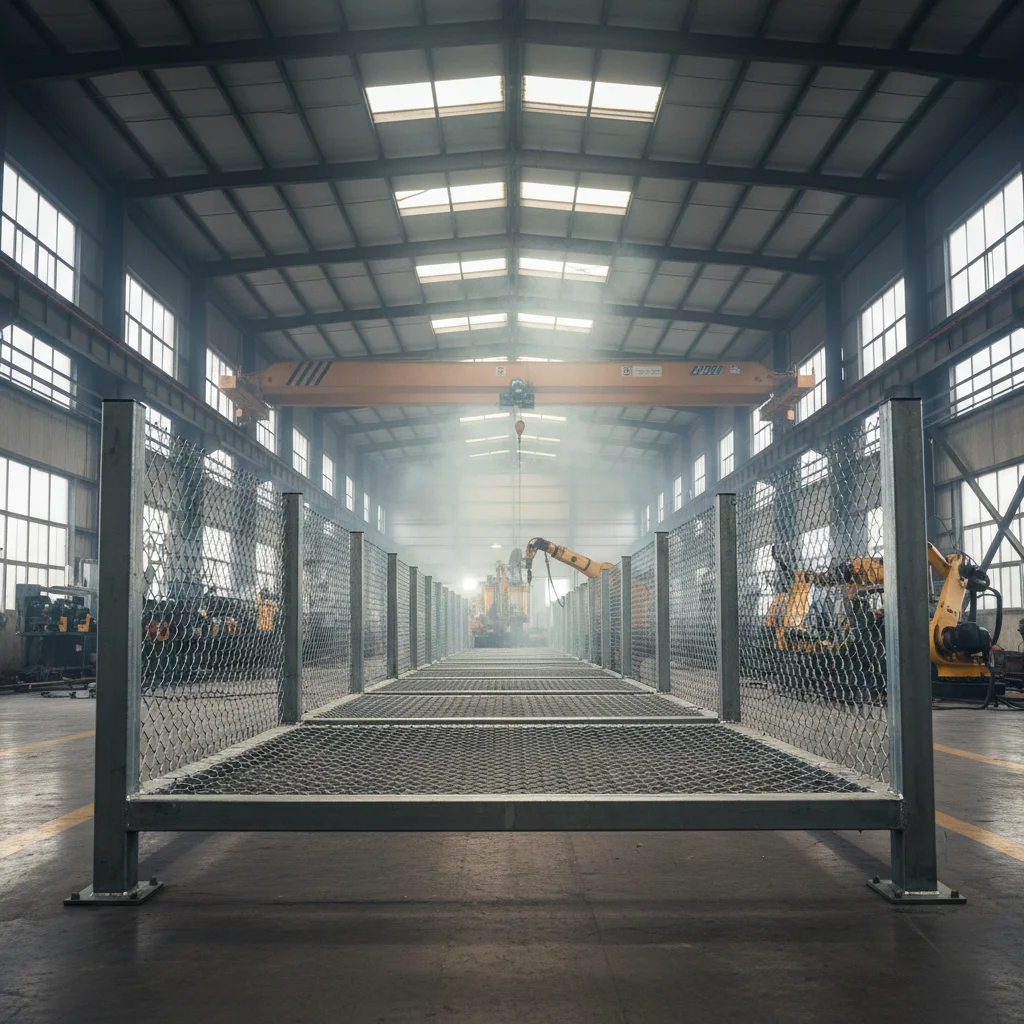
The stability of any perimeter security system begins with its foundation, and the U Fence Post stands as a cornerstone of modern fencing engineering. Designed specifically to cradle wire mesh and high-tensile strands, these posts provide the structural integrity necessary to withstand environmental stress and physical impact. In an era where land demarcation and livestock management require both efficiency and longevity, understanding the technical nuances of post selection is paramount for any commercial or agricultural project.
Across the globe, the demand for specialized metal products has surged as industrialization expands into previously remote terrains. The U Fence Post addresses the critical need for a fast-install, high-strength support system that reduces labor costs while maximizing the lifespan of the fence. By utilizing a U-shaped profile, these posts allow for a more secure attachment of the fencing fabric, preventing the sagging and shifting commonly associated with traditional T-posts or round poles.
Investing in high-quality U Fence Post systems is not merely about boundary marking; it is about ensuring long-term asset protection and operational safety. Whether deployed in large-scale agricultural estates, industrial zones, or safety corridors, the right choice of material and profile ensures that the barrier remains intact against the elements, providing peace of mind and reducing the frequency of costly maintenance cycles.
Global Industry Context of U Fence Post
The global market for perimeter security and agricultural containment has seen a significant shift toward standardized, high-strength metal components. According to industry trends aligned with ISO quality standards, the integration of the U Fence Post has become a preferred choice in regions with challenging terrains, such as the rugged landscapes of Australasia and the expansive plains of North America. These regions require materials that can resist corrosion and physical stress without requiring constant replacement.
One of the primary challenges facing the industry is the volatility of raw steel prices and the increasing demand for sustainable construction. The U Fence Post addresses this by offering a high strength-to-weight ratio, meaning less material is used to achieve the same—or better—structural stability compared to traditional heavy-gauge pipes. This efficiency not only lowers shipping costs but also reduces the overall carbon footprint of large-scale fencing projects.
Defining the Technicality of U Fence Post
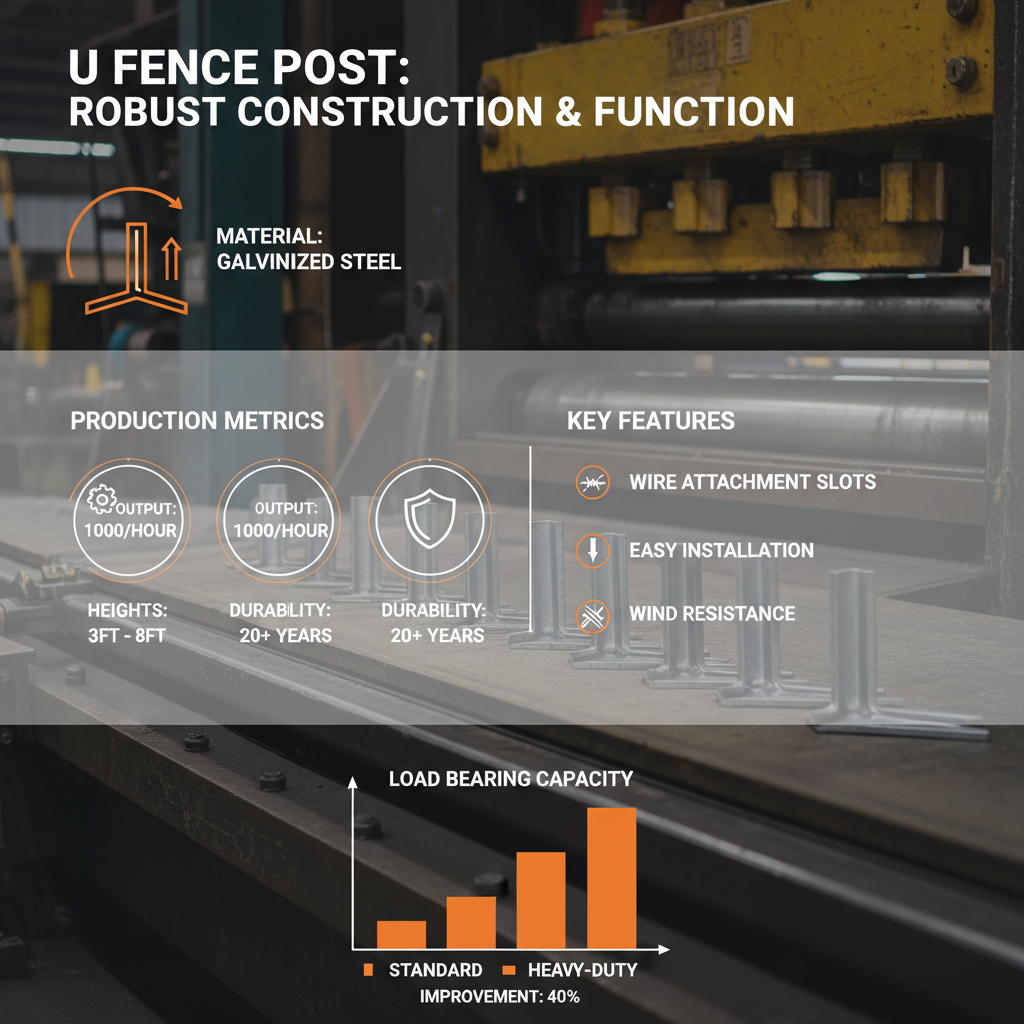
At its most basic level, a U Fence Post is a cold-formed or hot-rolled steel profile shaped like the letter 'U'. Unlike cylindrical posts, this geometry allows the fencing wire or mesh to sit securely within the channel, creating a mechanical lock that prevents the wire from slipping. This design is essential for high-tension wire systems where the lateral pressure on the post is immense.
In the context of modern industrial needs, these posts are often treated with hot-dip galvanization to prevent oxidation. The U-shape also provides a convenient point for clipping or tying wires, which streamlines the installation process. This technical design is not just about aesthetics; it is a response to the humanitarian and industrial need for rapid, reliable boundary creation in everything from livestock containment to temporary security perimeters.
Furthermore, the versatility of the U Fence Post allows it to be integrated with various other products, such as Razor Barbed Wire or Wire Mesh Products. By providing a stable anchor point, these posts ensure that the entire fencing system operates as a single, cohesive unit, capable of withstanding wind loads and animal impacts without buckling.
Core Components for Maximum Durability
The first critical factor in the performance of a U Fence Post is the material grade. Using high-tensile steel ensures that the post can bend slightly under extreme pressure without permanently deforming, a property known as elasticity. This is vital in seismic zones or areas prone to heavy snow loads where rigid posts would simply snap.
The second key component is the surface treatment. A professional-grade U Fence Post typically undergoes a multi-stage galvanization process. This creates a zinc-rich layer that acts as a sacrificial anode, protecting the internal steel from rust even if the surface is scratched during installation. This is the difference between a fence that lasts five years and one that lasts thirty.
Finally, the structural geometry—the depth and width of the 'U' channel—determines the post's scalability. A wider channel allows for thicker wire mesh or multiple strands of barbed wire, making the U Fence Post adaptable to everything from light garden boundaries to heavy-duty industrial enclosures.
Global Applications and Real-World Use Cases
In practical application, the U Fence Post is utilized across a diverse array of sectors. In the agricultural heartlands of Brazil and India, these posts are indispensable for creating sprawling cattle and sheep enclosures. The ability to quickly drive these posts into the ground and secure high-tensile wire makes them the gold standard for large-scale land management where speed of deployment is critical.
Beyond agriculture, the U Fence Post is frequently deployed in remote industrial zones, such as mining sites in Western Australia or oil fields in the Middle East. In these environments, the posts support heavy-duty wire mesh and razor wire to secure high-value assets against unauthorized entry. Their resistance to extreme temperature fluctuations ensures that the security perimeter remains taut and effective year-round.
Comparison of U Fence Post Performance Metrics
Long-Term Value and Sustainable Advantages
The logical value of choosing a U Fence Post lies in the drastic reduction of total cost of ownership (TCO). While the initial investment may be slightly higher than untreated timber, the absence of rot, termite damage, and weathering means that replacement intervals are extended from every 5-10 years to every 25-50 years. This reliability provides a sense of security and trust for landowners and corporate facility managers alike.
From a sustainability perspective, steel is one of the most recycled materials on earth. A U Fence Post can be melted down and repurposed at the end of its long life cycle, unlike chemically treated wooden posts that leach toxins into the soil. This makes it an eco-friendly choice for those looking to align their infrastructure projects with global green building standards and ESG (Environmental, Social, and Governance) goals.
Future Innovations in Fencing Support Systems
As we move toward a more digitized world, the U Fence Post is evolving. We are seeing the integration of "Smart Fencing" where sensors are embedded directly into the post or the U-channel. These sensors can detect vibrations or wire-cut events, sending real-time alerts to a central monitoring station. This transformation turns a passive metal barrier into an active security asset.
Material science is also advancing, with the introduction of nano-coatings that offer even higher corrosion resistance than traditional galvanization. These new coatings are thinner and more flexible, ensuring that the U Fence Post remains protected even in highly saline coastal environments where salt spray typically accelerates metal decay.
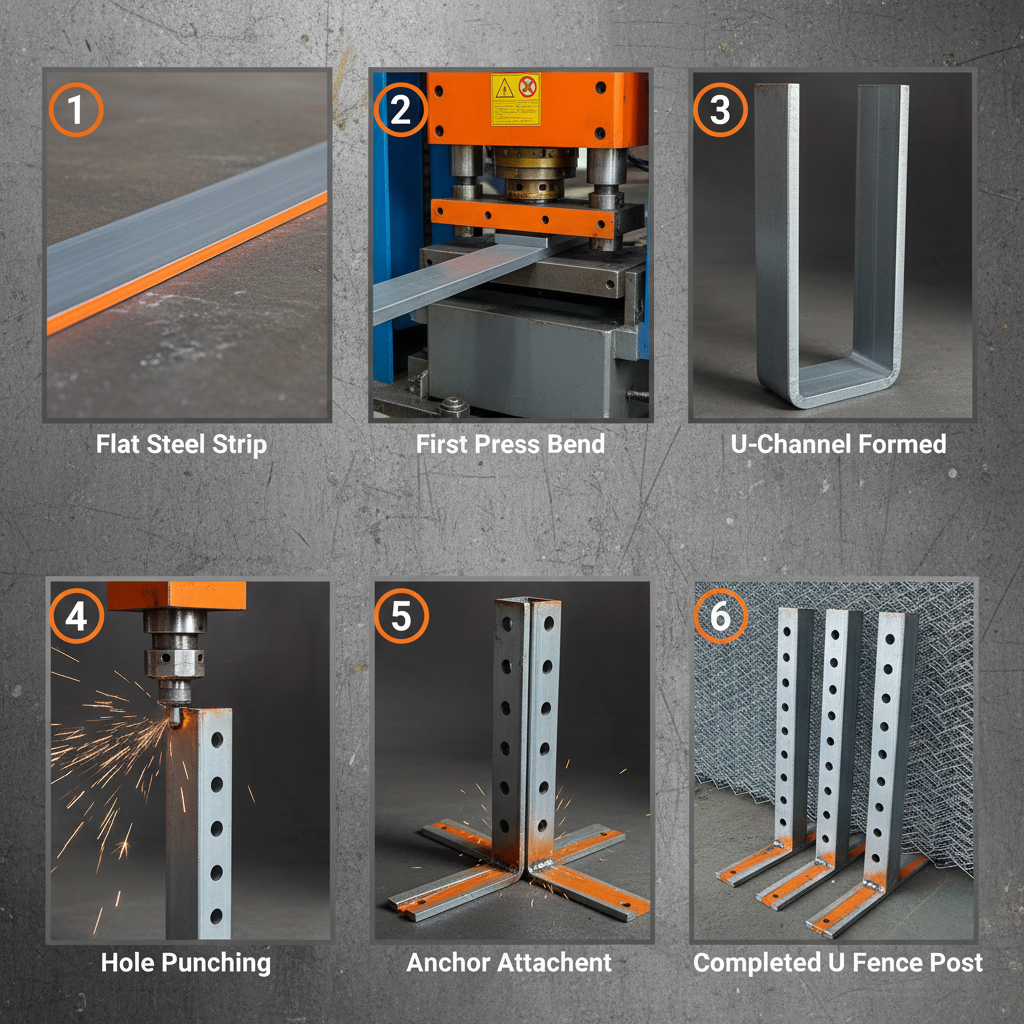
Furthermore, automation in manufacturing—such as precision laser cutting and robotic welding—is allowing for more customized U Fence Post designs. Tailored lengths, pre-punched holes for brackets, and variable channel widths are becoming standard, allowing for "modular" fencing systems that can be assembled like a kit, further reducing installation time and human error.
Overcoming Common Installation Challenges
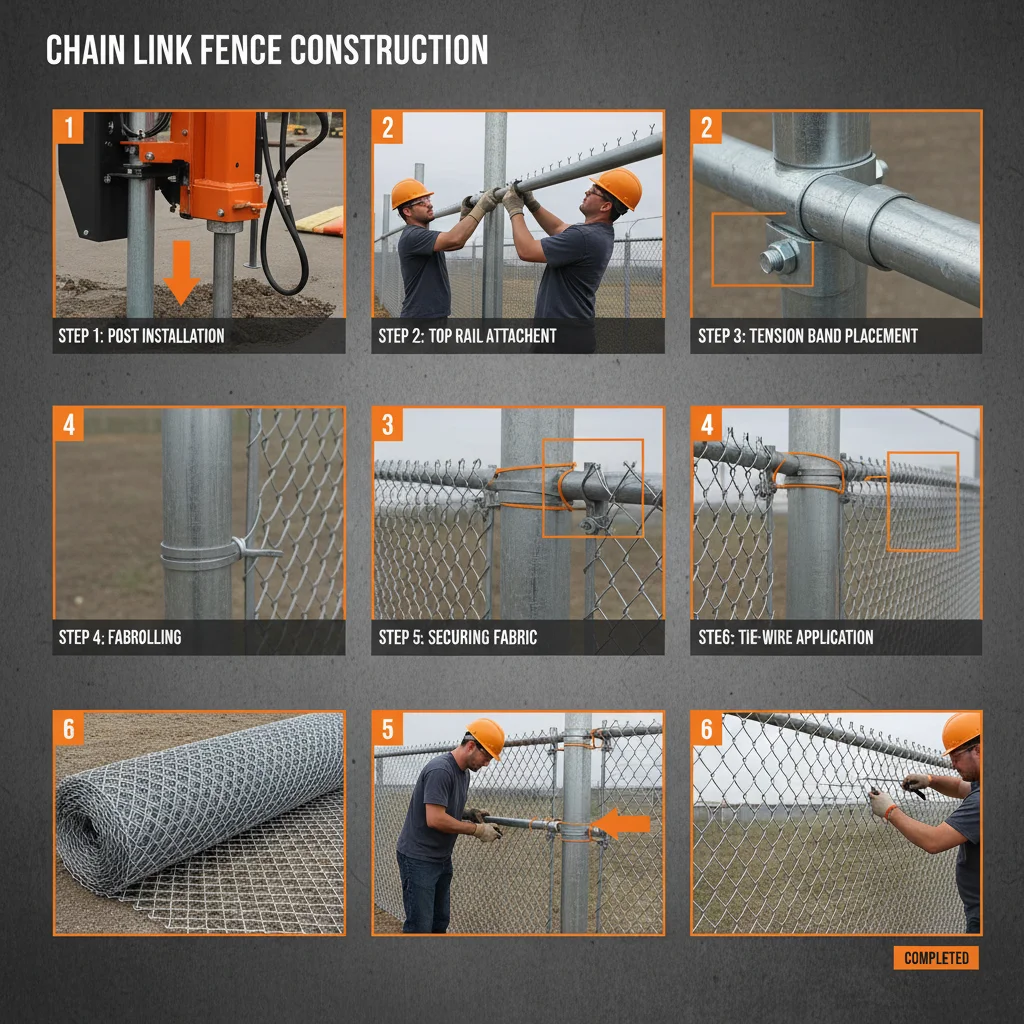
Despite their strengths, installers often face challenges such as soil compaction or uneven terrain when deploying the U Fence Post. In rocky soil, driving posts manually can lead to bending or coating damage. The professional solution is the use of pneumatic post drivers, which apply a consistent vertical force, ensuring the post penetrates the ground without compromising its structural integrity.
Another common issue is the "pull-out" effect, where high-tension wires pull the posts inward over time. To solve this, expert installers use anchor posts at every corner and end-point, and implement a "bracing" technique. By using a diagonal support post against the U Fence Post at high-stress points, the lateral load is distributed more evenly, maintaining a straight and tight fence line.
Finally, ensuring the correct depth of embedment is crucial. A general rule of thumb is that 1/3 of the U Fence Post should be underground. Failure to do this often results in leaning posts during high winds. By adhering to these engineering best practices, the lifespan of the entire fencing system is maximized.
Technical Specifications and Performance Analysis of U Fence Post Variants
|
Post Variant
|
Corrosion Resistance (1-10)
|
Load Bearing Capacity
|
Installation Speed
|
| Hot-Dip Galvanized |
10 |
High |
Fast |
| Electro-Galvanized |
6 |
Medium |
Fast |
| Powder Coated |
8 |
Medium |
Moderate |
| Black Annealed Steel |
3 |
High |
Fast |
| Alloy High-Tensile |
9 |
Extreme |
Moderate |
| Composite Hybrid |
10 |
Low-Medium |
Fast |
FAQS
The primary advantage is the "U" channel, which allows the fencing wire to be nested and locked into the post. While T-posts rely more on clips and external tension, the U Fence Post provides a more secure mechanical grip, significantly reducing the risk of wire slippage and sagging over time, especially in high-tension agricultural applications.
A high-quality hot-dip galvanized U Fence Post is designed to withstand harsh environments. In coastal areas with high salt content, these posts can typically last 20 to 30 years. For extreme salinity, we recommend additional epoxy coatings or using high-alloy steel to prevent premature pitting and corrosion.
Yes, absolutely. When paired with heavy-gauge wire mesh or Razor Barbed Wire, the U Fence Post provides the necessary rigidity to support security barriers. For industrial use, we recommend the High-Tensile Alloy variant to ensure the perimeter can withstand attempted breaches or accidental vehicle impacts.
Manual driving in rocky soil is not recommended as it can bend the post. The most efficient method is using a pneumatic or petrol-powered post driver. Alternatively, pre-drilling a pilot hole with an auger allows the U Fence Post to be inserted and then tamped down with gravel for maximum stability.
Yes, steel is 100% recyclable. Unlike pressure-treated wood, which contains chemicals like CCA (Chromated Copper Arsenate) that can leach into the groundwater, a galvanized U Fence Post is chemically stable and does not contaminate the soil, making it a superior choice for organic farms and protected nature reserves.
To prevent leaning, you must install "strainer" or "anchor" posts at every corner and every 100 meters of straight run. Using a diagonal brace post that connects the main U Fence Post to a ground anchor will distribute the tension and ensure the fence line remains perfectly straight for decades.
Conclusion
The U Fence Post represents a perfect marriage of geometric efficiency and material strength. By solving the common problems of wire slippage, corrosion, and installation labor, it has evolved from a simple metal support into a strategic component of global infrastructure. From the agricultural fields of the South to the industrial complexes of the North, the reliability of these posts ensures that boundaries are not just marks on a map, but secure, long-lasting physical assets.
Looking forward, the integration of smart sensors and advanced nano-coatings will only further enhance the utility of these systems. For project managers and landowners, the transition to high-tensile, galvanized U-profile supports is an investment in sustainability and peace of mind. To explore our full range of high-performance fencing solutions, visit our website: www.huaxinmesh.com.