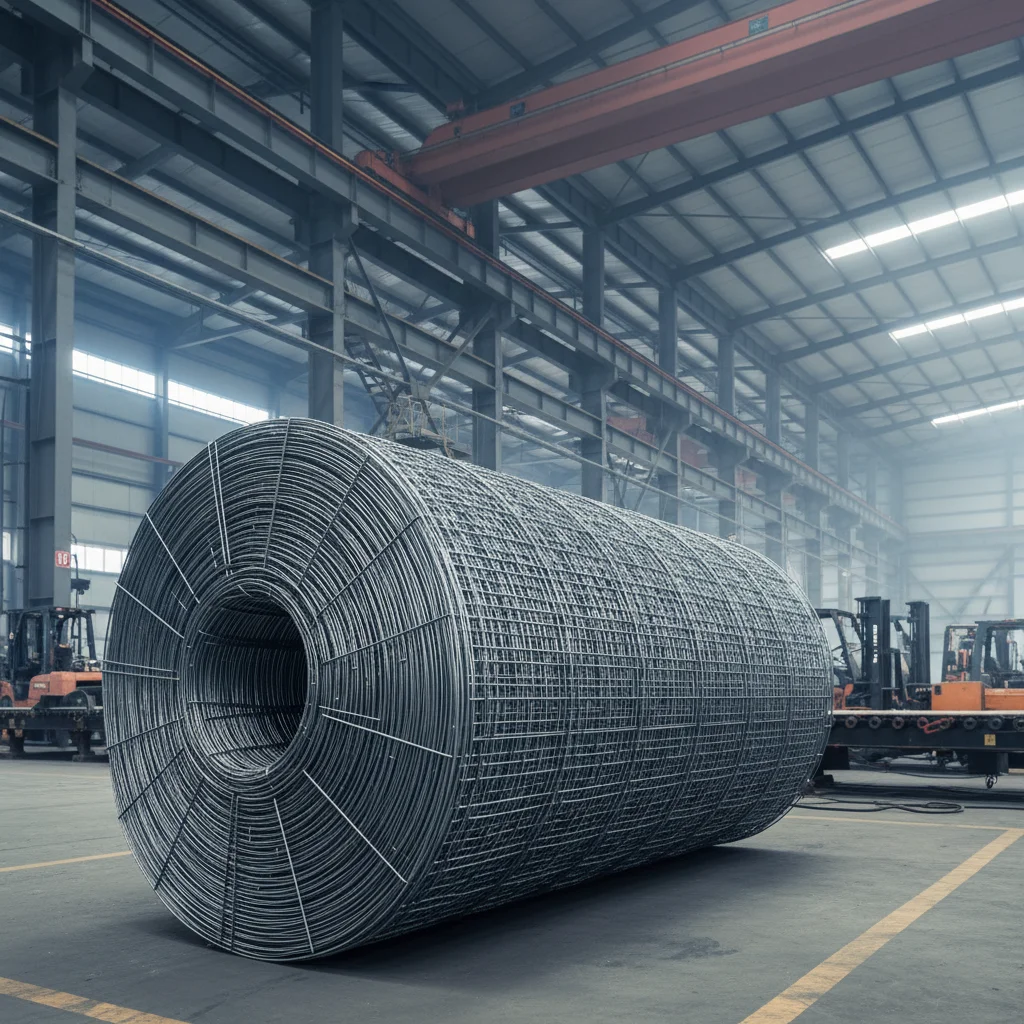
When it comes to securing expansive perimeters, agricultural boundaries, or industrial sites, the selection of support structures is paramount. 10ft T Posts have emerged as a global standard for durability and efficiency, offering a unique blend of height and stability that traditional wooden posts often lack. By providing a rigid anchor for wire mesh and barbed wire, these posts ensure that containment systems remain taut and effective over long periods.
The global demand for high-quality fencing solutions is driven by the need for improved livestock management and enhanced security in remote industrial zones. As infrastructure expands, the reliance on standardized, galvanized steel components like 10ft T Posts has grown, reducing the labor costs associated with installation and the recurring costs of replacement. Their ability to withstand extreme weather conditions makes them an indispensable asset for land managers worldwide.
Understanding the nuances of material grade, coating thickness, and installation depth is critical for maximizing the lifespan of any fencing project. Whether you are managing a vast ranch or securing a construction site, leveraging the structural advantages of 10ft T Posts allows for a more scalable and cost-effective approach to boundary management, ensuring that safety and security are never compromised.
Global Relevance and Industry Context of 10ft T Posts
In the modern industrial landscape, the need for rapid and secure demarcation of land has led to a surge in the adoption of 10ft T Posts. According to international trade standards and ISO guidelines for steel products, the shift from organic materials to galvanized steel has drastically reduced the environmental impact of deforestation caused by traditional fencing. These posts provide a standardized solution that meets the rigorous demands of diverse climates, from the humid tropics to the arid plains of central Asia.
The primary challenge addressed by these posts is the tendency of fences to lean or collapse under the pressure of livestock or wind loads. By utilizing a T-shaped cross-section, these posts distribute stress more efficiently than round pipes. This structural innovation ensures that the fence maintains its vertical integrity, reducing the frequency of maintenance cycles and providing a more reliable barrier for high-security or high-containment areas.
Defining the Structural Design of 10ft T Posts
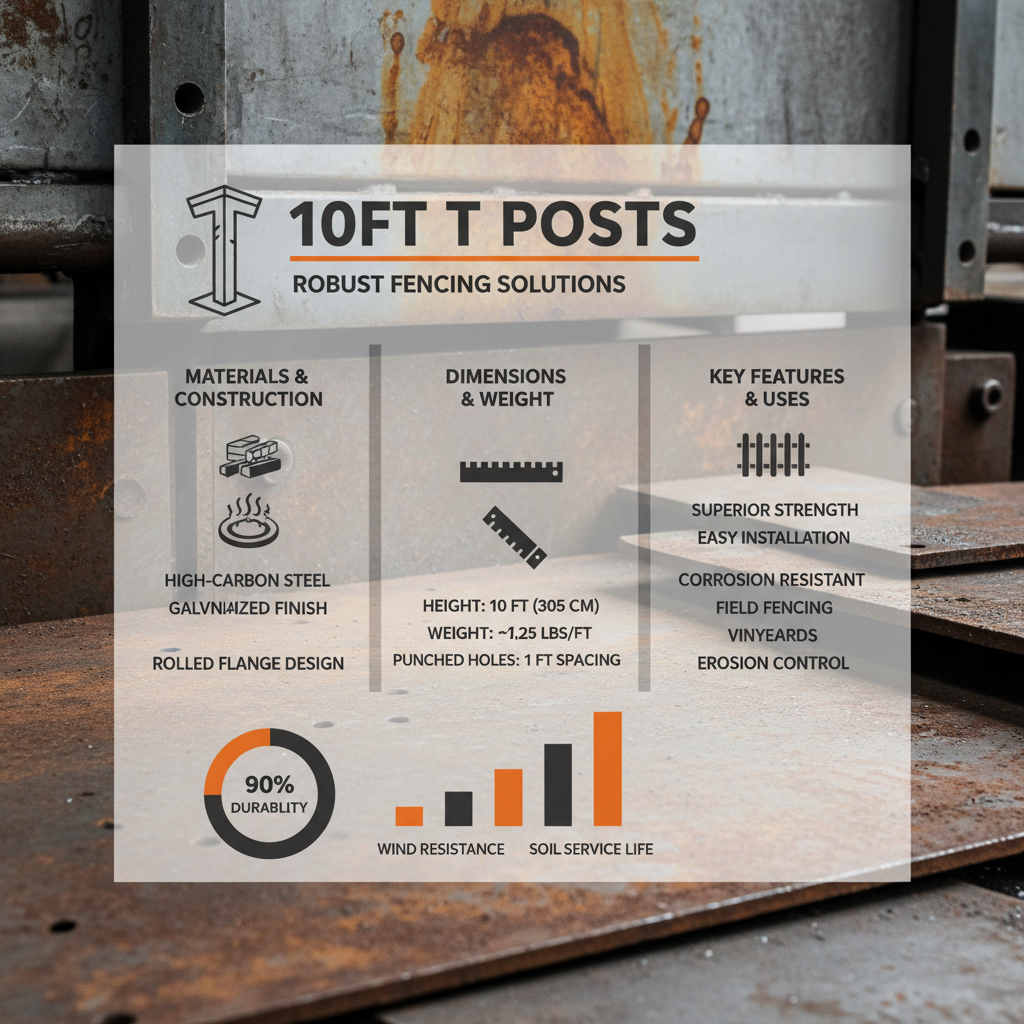
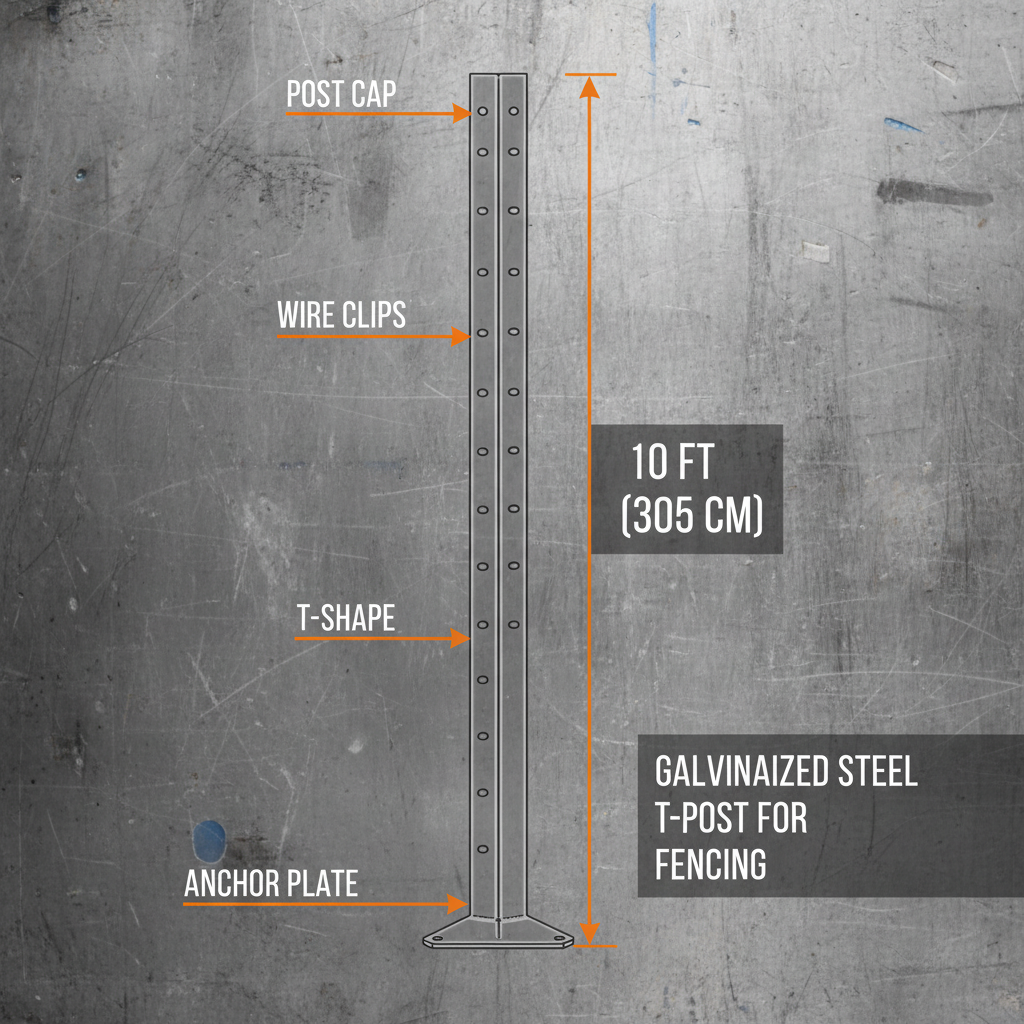
Technically speaking, 10ft T Posts are heavy-duty steel stakes engineered with a T-shaped profile to maximize strength-to-weight ratios. The "10ft" specification is particularly critical as it allows for a significant portion of the post to be driven into the ground—typically 2 to 3 feet—while still leaving enough height to support high-tensile wire or woven mesh. This balance is essential for preventing the post from pulling out of the soil under heavy tension.
These components are typically manufactured from low-carbon steel and are treated with a hot-dip galvanization process. This chemical coating creates a zinc-iron alloy layer that protects the inner steel from oxidation and corrosion. In the context of modern industry, this means that a single installation can last for decades without the need for painting or chemical preservatives, aligning with global sustainability goals.
Furthermore, the inclusion of "studs" or "nubs" along the length of the post allows for the secure attachment of wire without the need for complex fasteners. This design simplifies the assembly process, making it possible for small teams to deploy miles of fencing in a fraction of the time it would take using traditional methods. The result is a streamlined, professional-grade containment system.
Key Factors Driving 10ft T Posts Performance
The durability of 10ft T Posts is largely determined by the gauge of the steel used. A lower gauge indicates a thicker wall, which is essential for areas where the posts must withstand the impact of large animals or the force of heavy winds. Selecting the correct weight per foot ensures that the fence does not buckle under lateral pressure, maintaining the security of the enclosed area.
Corrosion resistance is the second pillar of performance. For 10ft T Posts deployed in coastal regions or areas with high soil acidity, the quality of the galvanization is paramount. Hot-dip galvanizing provides a much thicker and more durable layer than electro-galvanizing, ensuring that the post remains structurally sound even when buried in moist, corrosive soil for years.
Finally, scalability and installation efficiency are key factors. The uniformity of these posts allows for the use of mechanized post-drivers, which can install hundreds of units per day. This scalability makes them the preferred choice for large-scale agricultural projects or government-led border security initiatives where time-to-completion is a critical KPI.
Global Applications and Real-World Use Cases
In practice, 10ft T Posts are utilized across a vast array of industries. In the agricultural sector, they are the backbone of cattle and sheep fencing, where the extra height prevents livestock from leaping over the boundary. In the forestry industry, they are used to create temporary exclusion zones to protect young saplings from grazing deer and other wildlife, facilitating reforestation efforts.
Beyond farming, these posts are critical in remote industrial zones, such as mining sites or oil fields, where rapid deployment of security perimeters is required. In post-disaster relief operations, they are often used to quickly establish organized camp boundaries or secure hazardous areas, providing a reliable structure that can be installed with minimal tools.
Performance Comparison of 10ft T Posts Installation Methods
Long-Term Value and Economic Advantages
The long-term value of investing in 10ft T Posts lies in the drastic reduction of lifecycle costs. While the initial procurement cost of galvanized steel may be higher than untreated wood, the absence of rot, termite damage, and weather-induced warping means that the replacement cycle is extended from 5-10 years to 25-50 years. This represents a significant capital expenditure saving over the life of the property.
From a logical and emotional perspective, these posts provide "peace of mind." For a landowner, knowing that a fence will not fail during a storm or be breached by livestock prevents costly losses and reduces stress. The reliability of the T-post system fosters trust in the infrastructure, allowing operators to focus on their core business rather than constant perimeter repairs.
Future Innovations in Steel Post Manufacturing
Looking ahead, the manufacturing of 10ft T Posts is evolving toward "green steel" initiatives. By utilizing electric arc furnaces (EAF) and recycled scrap metal, producers are reducing the carbon footprint associated with steel production. This shift ensures that the fencing industry remains compliant with increasingly strict global environmental regulations.
Digital transformation is also playing a role, with the introduction of automated quality control systems. AI-driven sensors can now detect microscopic flaws in the galvanization layer of 10ft T Posts during production, ensuring that every single unit shipped meets the highest durability standards. This eliminates the risk of premature failure in the field.
Additionally, we are seeing the development of hybrid coatings, combining traditional galvanization with polymer powder coatings. These new materials offer double protection against salt-spray and acidic soils, further extending the life of the posts in the most extreme environments on earth, such as coastal mangroves or chemical processing zones.
Overcoming Common Installation Challenges
One of the most common challenges when installing 10ft T Posts is encountering rocky soil, which can bend the post or prevent it from reaching the required depth. Expert installers recommend using a pilot hole or a heavy-duty pneumatic driver to break through hardpan layers, ensuring the post is seated deeply enough to maintain tension without leaning.
Another frequent issue is "wire sag" over long spans. To solve this, professionals integrate high-tensile tensioners and strategically place "H-braces" at the corners and ends of the line. Because 10ft T Posts are designed for linear support, they must be paired with these heavier bracing systems to handle the concentrated pull of the wire.
Finally, improper spacing can lead to localized failures. We suggest a spacing of 8 to 12 feet depending on the livestock type and terrain. By adhering to these technical guidelines, users can maximize the structural integrity of their fencing system and avoid the costly mistake of under-engineering their boundary.
Comparative Analysis of 10ft T Posts Material Grades and Environmental Suitability
|
Steel Grade/Coating
|
Corrosion Resistance (1-10)
|
Typical Lifespan (Years)
|
Ideal Application Zone
|
| Light Galvanized |
4 |
10-15 |
Dry Inland Plains |
| Hot-Dip Galvanized |
9 |
30-50 |
All-Weather / High Moisture |
| Powder Coated Steel |
7 |
20-30 |
Urban/Decorative Fencing |
| Heavy Duty Alloy |
8 |
40+ |
Industrial/High-Impact |
| Zinc-Alu Hybrid |
10 |
50+ |
Coastal/Saline Environments |
| Standard Carbon Steel |
2 |
5-8 |
Temporary/Short-Term Use |
FAQS
For maximum stability, it is generally recommended to drive 10ft T Posts approximately 24 to 36 inches into the ground. This depth ensures that the post can withstand the lateral tension of the wire and the weight of livestock without leaning. In softer or sandy soils, increasing the depth to 36 inches is advisable to prevent the post from shifting over time.
Yes, they are highly effective when paired with razor barbed wire or heavy-duty chain-link mesh. Their height provides an imposing barrier that is difficult to scale. However, for industrial security, we recommend using a heavier gauge steel to ensure the posts can withstand attempted breaches or high-impact collisions.
In coastal environments, you should specifically choose hot-dip galvanized posts or those with a Zinc-Aluminum hybrid coating. Unlike standard galvanizing, these processes create a thicker protective layer that resists the corrosive effects of salt spray and saline soil, significantly extending the life of the fence.
While a manual post driver (weighted steel tube) works for small projects, a gas-powered or pneumatic post driver is the most efficient tool for large-scale installations. These tools drive the posts into the ground in seconds, reducing labor costs and ensuring consistent depth across the entire fence line.
In the short term, wooden posts may be cheaper. However, in the long term, steel T-posts are far more cost-effective because they do not rot, are not eaten by termites, and require almost zero maintenance. When you factor in the cost of replacing wooden posts every 7-10 years, steel is the superior economic choice.
One of the greatest advantages of 10ft T Posts is their reusability. Unlike wooden posts that often split when pulled from the ground, galvanized steel posts can be extracted and re-installed in a new location with minimal loss of structural integrity, provided they haven't been severely bent.
Conclusion
In summary, 10ft T Posts represent the intersection of engineering efficiency and practical utility. From their corrosion-resistant galvanized coatings to their strength-optimized T-shape, these posts solve the most persistent problems of boundary management: durability, installation speed, and long-term cost. By providing a stable and scalable foundation for various fencing systems, they ensure that agricultural, industrial, and security perimeters remain intact and effective for decades.
As the industry moves toward more sustainable manufacturing and smarter installation technologies, the role of the steel T-post will only grow. For anyone looking to secure their land, we recommend prioritizing material grade and coating quality to maximize the return on investment. For professional-grade fencing solutions and high-quality steel components, visit our website: www.huaxinmesh.com.