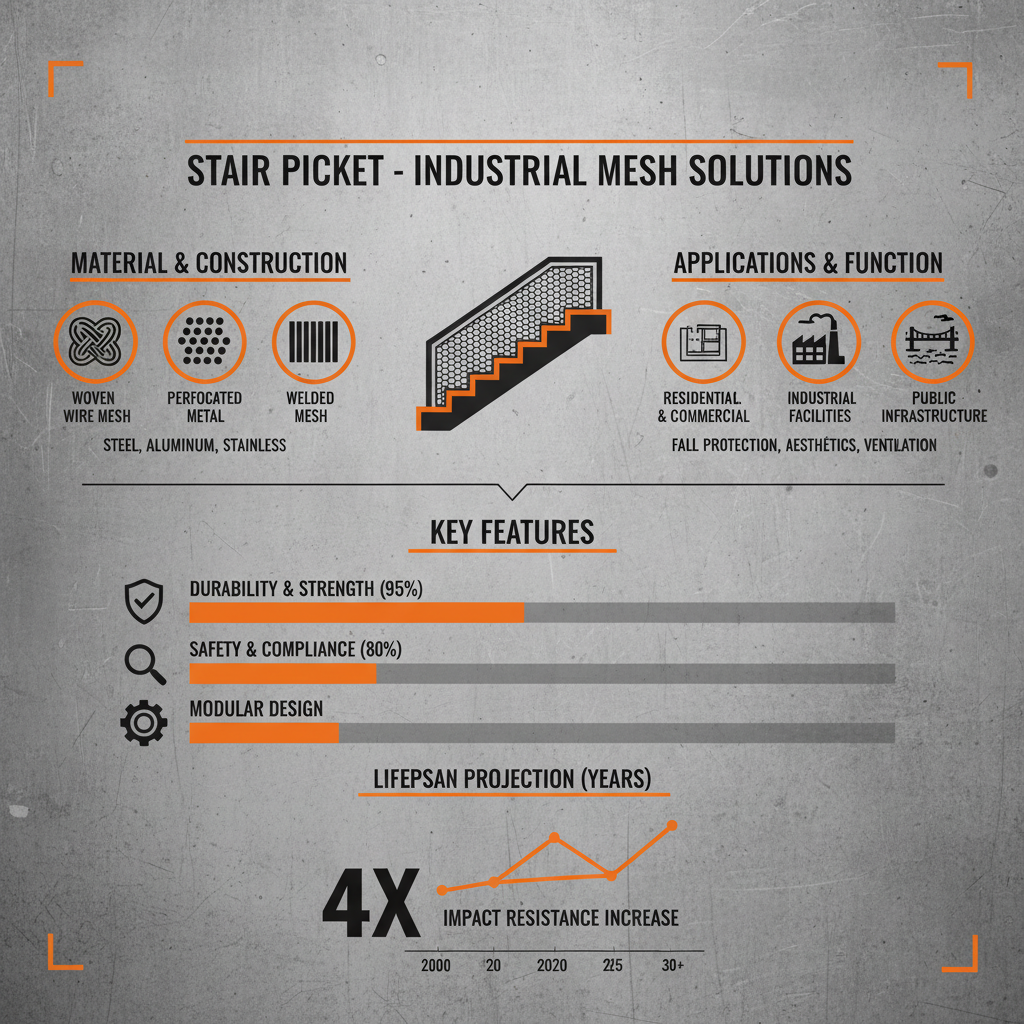
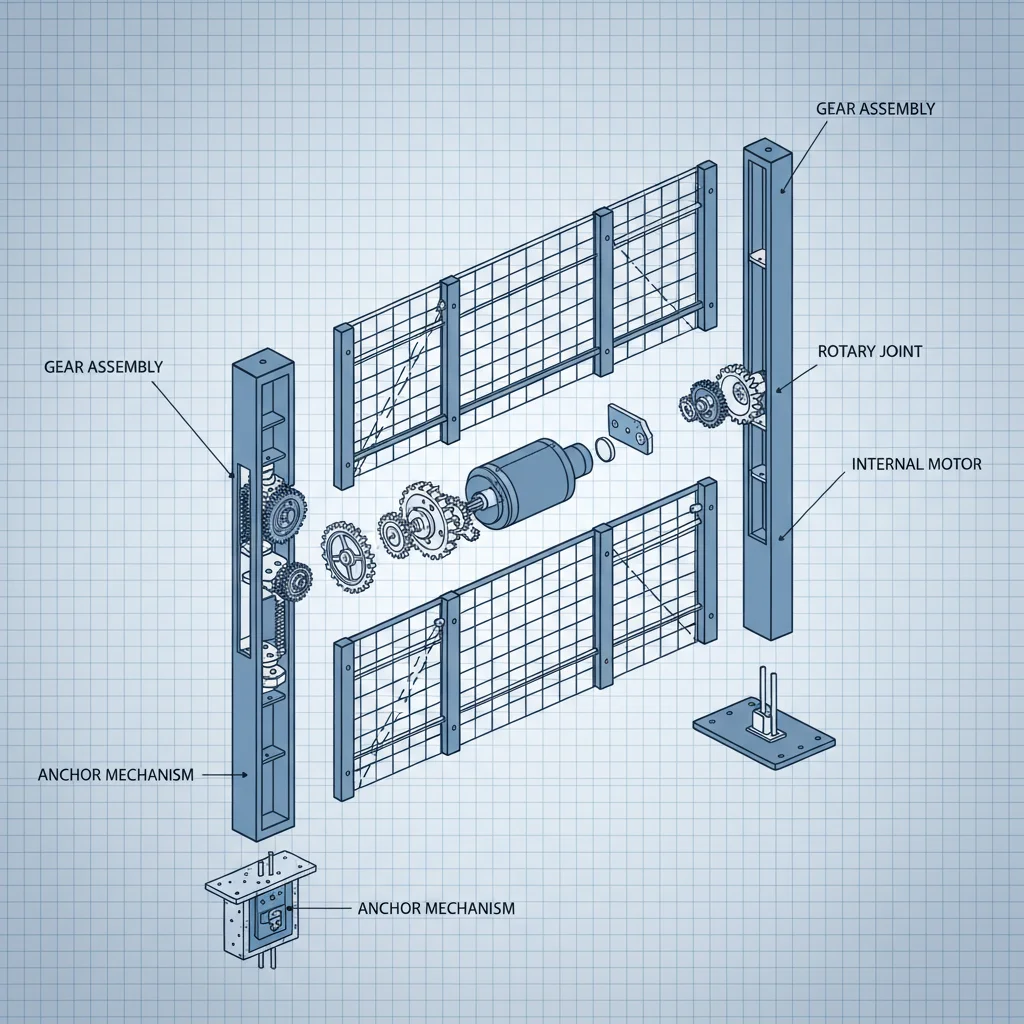
When designing modern architectural spaces, the balance between safety and aesthetics is paramount, and the Stair Picket serves as the critical intersection of these two needs. These vertical structural elements are not merely decorative additions but essential safety barriers that prevent falls and provide necessary support for users navigating vertical transitions in residential and commercial buildings.
Across the global construction landscape, the demand for high-quality picket systems has evolved from simple wooden slats to sophisticated metal alloys and tempered glass, driven by stringent building codes and a shift toward industrial-modern interior design. Understanding the nuances of material selection and installation is key to ensuring long-term structural integrity and compliance with international safety standards.
By integrating advanced metallurgy and precision engineering, the modern Stair Picket provides an optimized solution for architects and contractors who seek to maximize open-concept visibility without compromising on the rigorous safety requirements dictated by occupancy laws.
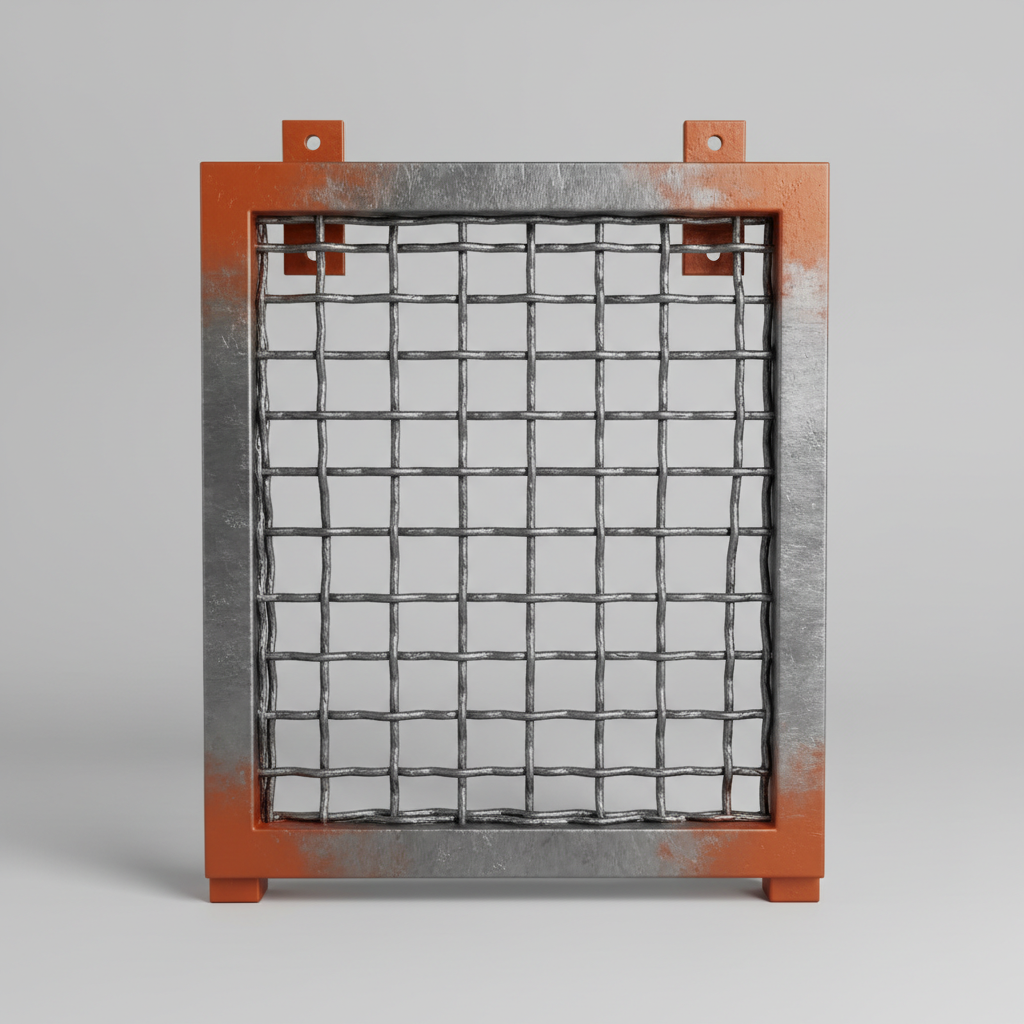
Global Standards and the Evolution of Stair Picket
The historical trajectory of the Stair Picket has moved from rudimentary craftsmanship to a highly regulated engineering science. In the early 20th century, pickets were primarily viewed as simple fillers; however, the introduction of ISO quality standards and the International Building Code (IBC) transformed them into critical safety components. Today, global regulations typically mandate that a 4-inch sphere cannot pass between pickets, a rule designed specifically to protect toddlers and infants.
This shift toward standardization has forced manufacturers in the metal products industry to adopt tighter tolerances and higher-grade alloys. The global market now prioritizes materials that can withstand significant lateral pressure while maintaining a slender profile, ensuring that the Stair Picket fulfills both the psychological need for security and the physical requirement of structural support.
Defining the Technical Scope of Stair Picket Systems
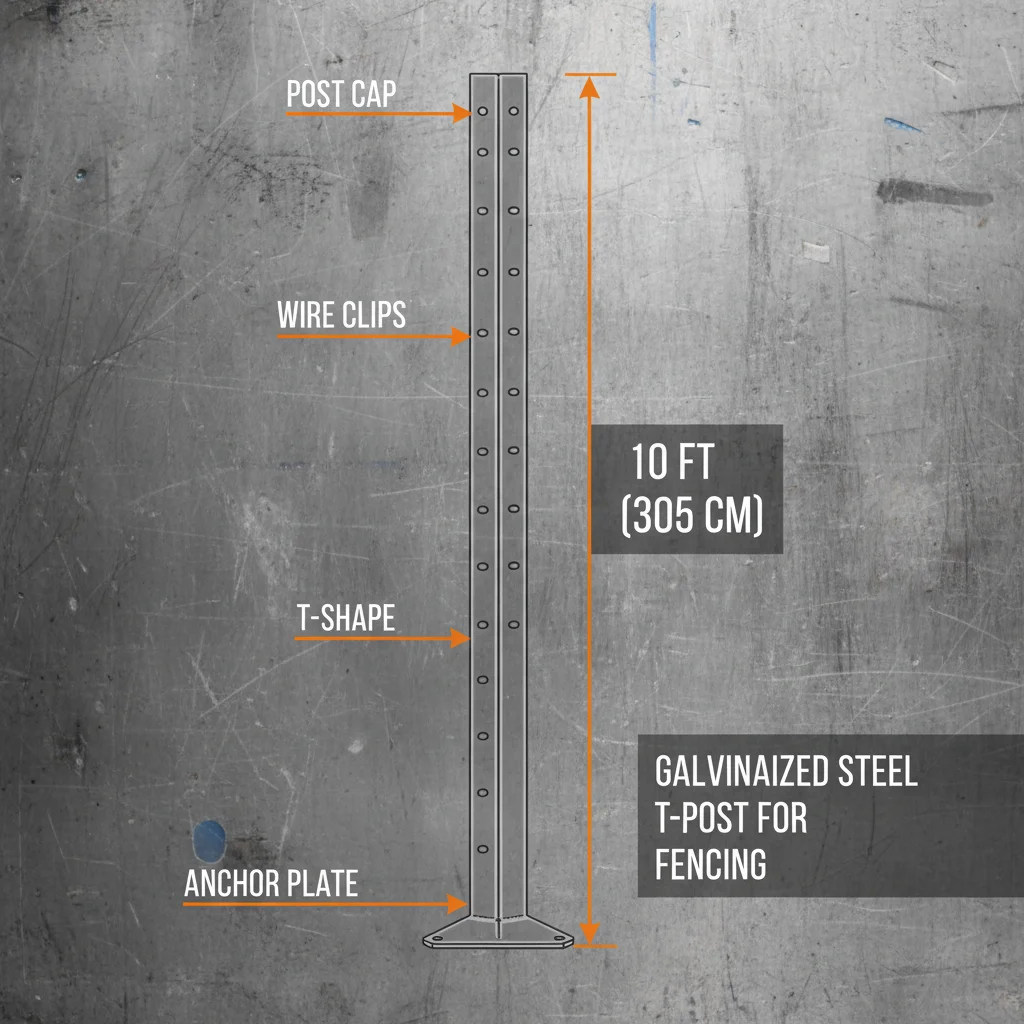
In technical terms, a Stair Picket is a vertical member of a railing system, positioned between the handrail and the stringer or floor. While often confused with balusters, pickets are specifically designed for load-bearing stability and gap closure. Their primary function is to create a continuous barrier that prevents accidental falls, making them indispensable in any multi-level architectural project.
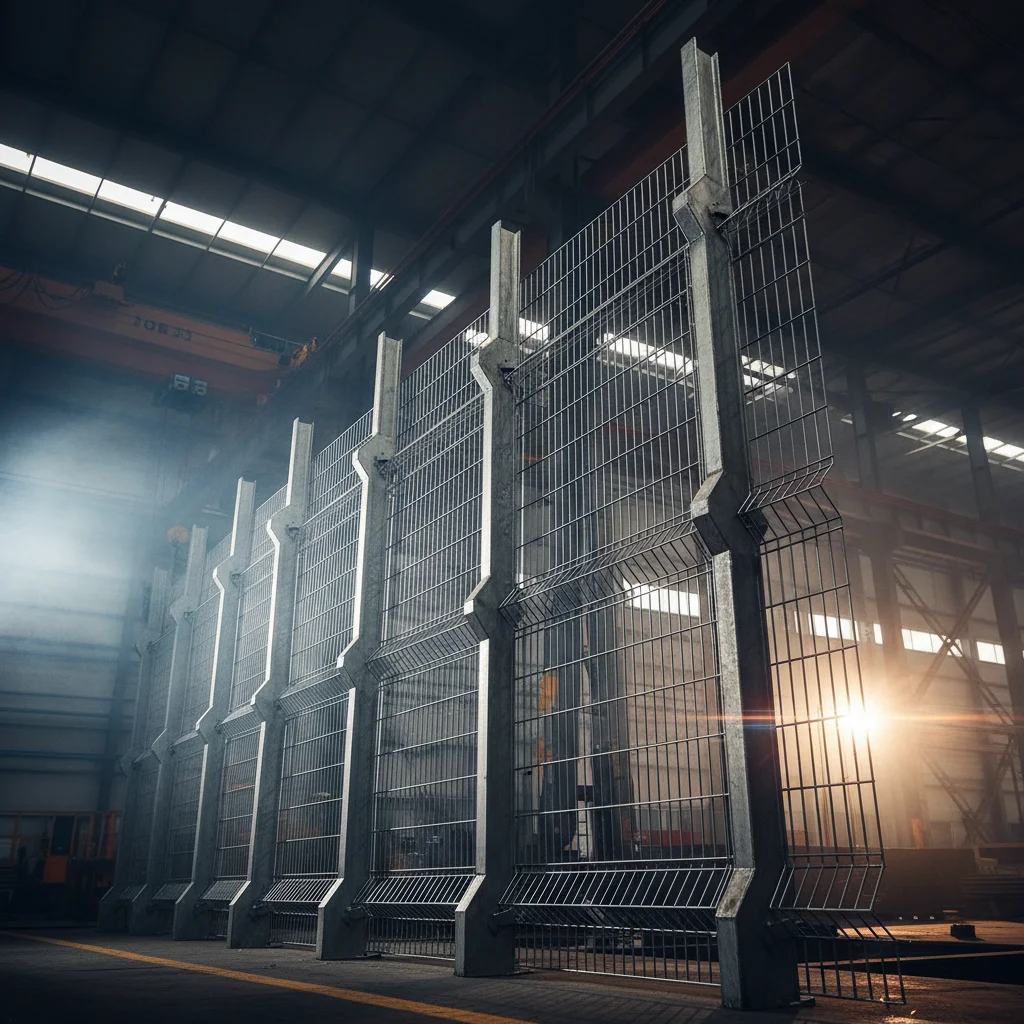
From a manufacturing perspective, these components are integrated into broader systems such as Decorative Fence Gates or Fencing Systems. The production involves precision cutting, welding, and coating processes—such as powder coating or galvanization—to ensure that the metal resists oxidation and wear over decades of use. This technical rigor ensures that the component remains rigid under stress.
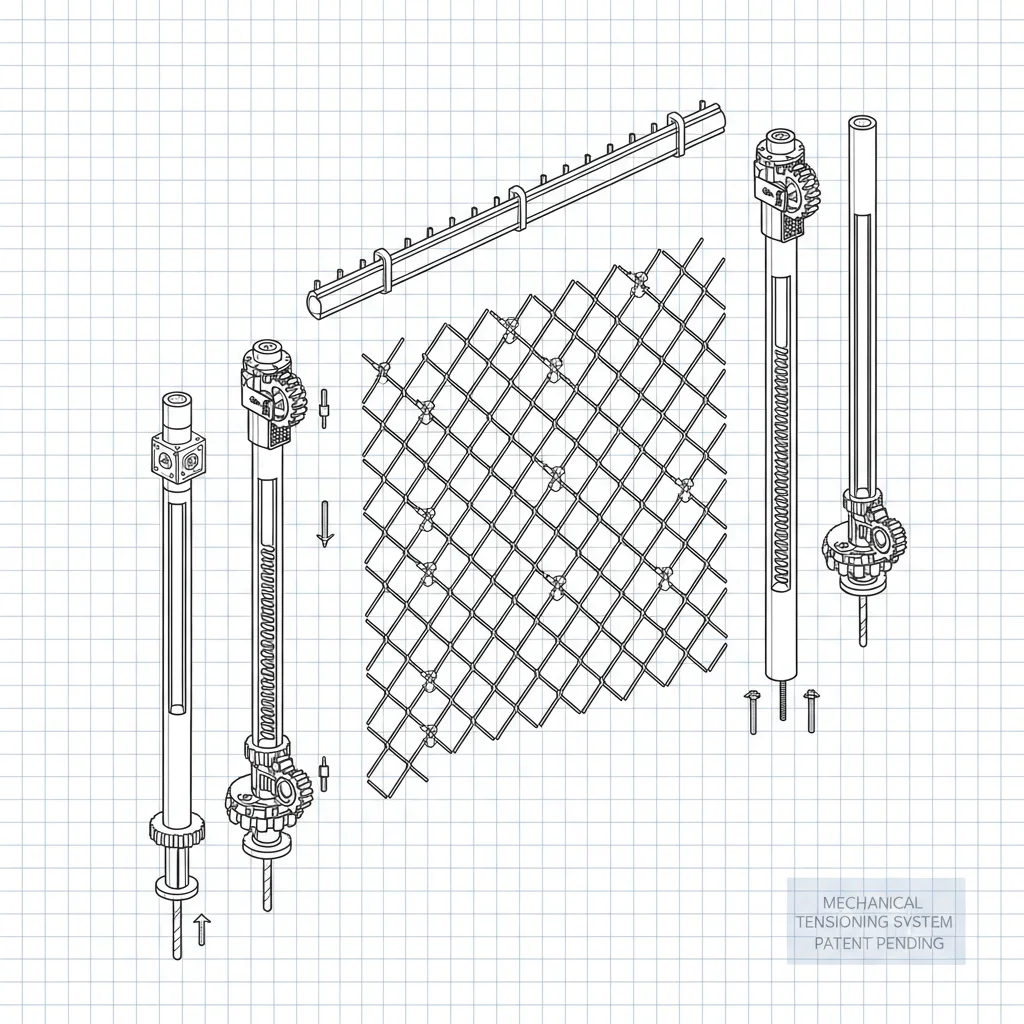
Moreover, the definition of a modern Stair Picket extends to its compatibility with various mounting hardware. Whether utilizing a face-mount or a fascia-mount system, the picket must be engineered to distribute weight evenly, preventing the "wobble" effect often seen in low-grade installations and ensuring a seamless transition between the stair treads and the safety railing.
Core Factors Influencing Stair Picket Durability
The longevity of a Stair Picket is primarily dictated by its material composition. High-tensile steel and aluminum alloys are the industry standards due to their exceptional strength-to-weight ratios. When exposed to humidity or coastal salt air, the choice of coating—such as hot-dip galvanizing—becomes the most critical factor in preventing corrosive degradation.
Another pivotal aspect is the precision of the joints. A Stair Picket that is improperly welded or loosely fitted into a shoe will experience premature fatigue. By utilizing CNC precision cutting, manufacturers can ensure a flush fit that minimizes vibration and maximizes the load-bearing capacity of the entire railing assembly.
Finally, the scalability of the design allows for adaptation across various environments. Whether it is a high-traffic industrial warehouse or a luxury residential villa, the Stair Picket must be scaled in thickness and spacing to meet the specific safety loads of that environment, balancing the need for openness with the necessity of strength.
Performance Analysis of Modern Stair Picket Materials
Selecting the right material for a Stair Picket requires a deep dive into the trade-offs between cost, weight, and structural rigidity. While wrought iron offers classic aesthetics and immense strength, modern aluminum extrusions provide a lightweight alternative that is naturally resistant to rust, making them ideal for outdoor staircases or humid environments.
Beyond the base metal, the finish applied to the Stair Picket significantly impacts its performance. Electrostatic powder coating not only provides a wide array of colors but also creates a hard, durable shell that protects the metal from scratches and chemical cleaners, which is essential for maintenance in public spaces.
Comparative Performance of Stair Picket Material Types
Global Applications in Industrial and Residential Zones
In industrial settings, such as oil rigs or manufacturing plants, the Stair Picket is designed for maximum utility. These are often constructed from heavy-duty galvanized steel to prevent corrosion in harsh chemical environments. In these zones, the focus shifts from aesthetics to absolute failure prevention, where pickets are often spaced more closely to prevent tools or equipment from slipping through the railings.
Conversely, in residential luxury architecture, the Stair Picket becomes a design statement. Slim-profile stainless steel or customized laser-cut patterns are used to create a "floating" effect. Despite the emphasis on style, these residential applications still adhere to the strict 4-inch rule to ensure the safety of children and pets, blending high-end art with critical safety engineering.
Long-Term Value and Safety ROI
Investing in premium-grade Stair Picket systems provides a significant Return on Investment (ROI) through reduced maintenance costs. Low-quality pickets often suffer from paint peeling or structural sagging within a few years, necessitating expensive replacements. In contrast, high-performance materials like 316-grade stainless steel offer a lifetime of service with minimal upkeep.
Beyond the financial aspect, there is an invaluable emotional and legal benefit: peace of mind. For commercial property owners, the installation of certified Stair Picket components minimizes liability risks associated with accidental falls. The dignity of a well-constructed space reflects the quality of the organization, fostering trust among clients and employees.
Furthermore, the sustainability of modern metal pickets contributes to long-term ecological value. Metals are infinitely recyclable, meaning that when a building is renovated, the Stair Picket materials can be reclaimed and repurposed, reducing the carbon footprint of the construction process compared to disposable composite materials.
Future Innovations in Stair Picket Engineering
The future of the Stair Picket is being shaped by the integration of smart materials and additive manufacturing. We are seeing the emergence of 3D-printed metal components that allow for organic, complex geometries that were previously impossible to cast or weld. This allows architects to create seamless, fluid transitions between the floor and the railing.
Automation in the manufacturing process is also driving down costs while increasing precision. Robot-assisted welding ensures that every Stair Picket is placed with sub-millimeter accuracy, eliminating the human error that often leads to structural weaknesses. This digital transformation is making high-end safety systems accessible to a wider range of budget-conscious projects.
Moreover, "green" coatings are replacing traditional volatile organic compound (VOC) based paints. New nano-coatings are being developed that are self-healing, meaning that small scratches on a Stair Picket can disappear with the application of heat, drastically extending the aesthetic lifespan of the product.
Technical Comparison of Stair Picket Engineering Standards
| Material Type |
Load Capacity |
Corrosion Resistance |
Installation Complexity |
| Galvanized Steel |
High (9/10) |
Medium (7/10) |
Moderate |
| Anodized Aluminum |
Medium (6/10) |
High (9/10) |
Low |
| 304 Stainless Steel |
High (8/10) |
High (8/10) |
Moderate |
| 316 Stainless Steel |
High (9/10) |
Extreme (10/10) |
Moderate |
| Wrought Iron |
Extreme (10/10) |
Low (4/10) |
High |
| Tempered Glass |
Medium (5/10) |
Extreme (10/10) |
High |
FAQS
In most international building codes, including the IBC, the maximum allowable gap between a Stair Picket and its adjacent member is 4 inches (approx. 10cm). This is a critical safety measure to prevent small children from sliding through the railing. Always verify your local municipal codes to ensure full compliance during the design phase.
Yes, aluminum is an excellent choice for outdoor applications. Due to its natural oxide layer and the ability to be anodized or powder-coated, an aluminum Stair Picket provides superior resistance to rain, snow, and humidity compared to untreated steel, significantly reducing the risk of rust and structural decay.
The choice depends on the environment. 304 stainless steel is suitable for most indoor and standard outdoor residential uses. However, if the Stair Picket will be installed in a coastal area or an industrial plant with exposure to chlorides or chemicals, 316-grade stainless steel is required for its higher molybdenum content, which prevents pitting corrosion.
Generally, yes. Metal Stair Picket systems offer higher tensile strength and are less prone to warping, splitting, or rotting over time. This allows for thinner profiles without sacrificing safety, which creates a more open and modern aesthetic while maintaining a higher load-bearing capacity than traditional timber.
There are two main methods: surface mounting and drilling. Surface mounting uses a metal shoe or bracket that is screwed into the tread. Drilling involves creating a hole in the stair tread, inserting the Stair Picket, and securing it with high-strength epoxy or welding for a more seamless, integrated look.
It depends on the finish. Powder-coated or anodized pickets do not require painting as they have a durable protective layer. However, raw mild steel pickets must be primed and painted or galvanized to prevent rust. We recommend factory-finished Stair Picket options for the most consistent and longest-lasting protection.
Conclusion
The Stair Picket is far more than a simple architectural filler; it is a critical safety component that integrates metallurgy, engineering, and design. From meeting rigorous global safety standards to embracing the efficiency of modern materials like 316 stainless steel and aluminum, the evolution of pickets reflects the broader industry move toward durability and sustainable luxury. By focusing on precision installation and high-quality material selection, property owners can ensure a safe environment that enhances the aesthetic value of any structure.
Looking ahead, the integration of 3D printing and nano-coatings will continue to push the boundaries of what is possible in stair railing design. We encourage architects and contractors to prioritize certified, high-tensile components to future-proof their projects against wear and regulatory changes. For professional-grade solutions and high-quality metal components, visit our website: www.huaxinmesh.com