The security and integrity of perimeter boundaries rely heavily on the structural support of the fencing system, where the Y Fence Post plays a pivotal role. By providing a specialized dual-support design, these posts enable the seamless integration of both standard wire mesh and high-security barbed wire, ensuring that boundaries are not only defined but effectively reinforced against intrusions.
In a global market where infrastructure security is becoming increasingly complex, understanding the technical nuances of the Y Fence Post is essential for engineers, farmers, and industrial site managers. These components bridge the gap between simple demarcation and high-tension security, offering a versatile solution that reduces material waste while maximizing the vertical reach of security barriers.
Whether deployed in vast agricultural landscapes or high-risk industrial zones, the adoption of a high-quality Y Fence Post ensures long-term stability and resistance to environmental degradation. By analyzing the materials, installation methods, and structural advantages, stakeholders can make informed decisions that enhance the safety and longevity of their protective assets.
Global Industry Context of Y Fence Post
Across the globe, the demand for secure perimeter fencing has surged, driven by an increase in critical infrastructure projects and a heightened focus on border security. International standards, such as those influenced by ISO quality benchmarks, emphasize the need for structural components that can withstand extreme weather and physical impact. The Y Fence Post has emerged as a global standard for high-security fencing due to its ability to support multiple layers of deterrents.
Industry data suggests that traditional straight posts often fail at the top attachment points when subjected to the tension of razor wire or barbed wire. This common failure point creates vulnerabilities in security grids. By implementing the Y-shaped geometry, manufacturers have solved the problem of lateral stability, allowing for a wider distribution of tension and a more formidable deterrent against unauthorized entry in remote or high-risk areas.
Technical Definition and Core Meaning
A Y Fence Post is a specialized structural support member designed with a bifurcated top, resembling the letter "Y". Unlike standard line posts, this design provides two distinct anchor points at the summit, which allow for the installation of one or more strands of security wire (such as barbed wire or razor wire) above the main fence fabric. This configuration essentially adds a "security crown" to the fence, significantly increasing the effective height and deterrent capability of the barrier.
From a manufacturing perspective, these posts are typically fabricated from high-strength carbon steel or galvanized alloys to prevent oxidation. The core meaning of the "Y" design lies in its mechanical advantage; it provides a stable platform for high-tension wires without requiring separate, additional supports for every strand. This integration streamlines the construction process and ensures that the security wire remains taut and effective over long distances.
In the context of modern industrial needs, the Y Fence Post represents a move toward multifunctional infrastructure. It is no longer just about creating a boundary, but about integrating active and passive security measures into a single, durable component. This efficiency is critical for humanitarian projects, large-scale agricultural ventures, and industrial site protection where rapid deployment and long-term reliability are paramount.
Key Factors for Y Fence Post Performance
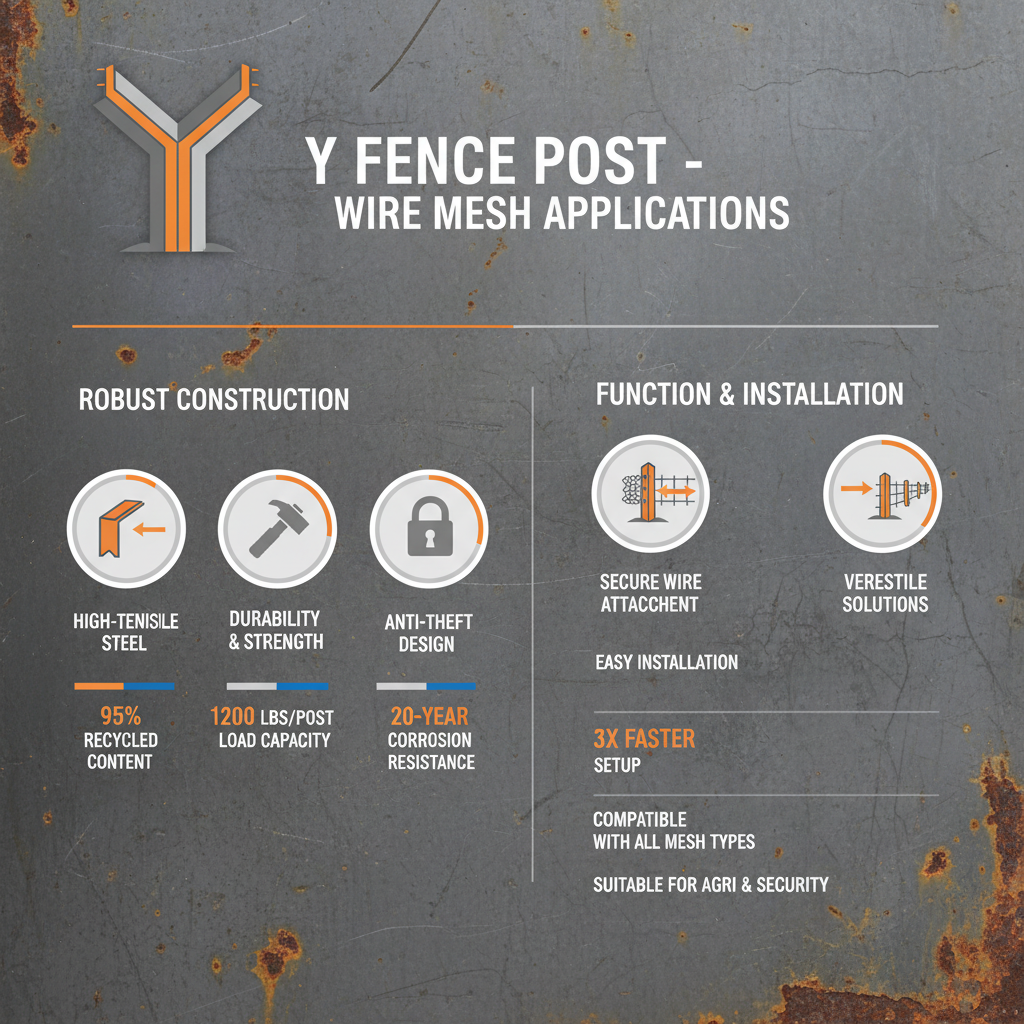
The durability of a Y Fence Post is primarily determined by its coating and material grade. Hot-dip galvanization is the industry gold standard, ensuring that the steel is protected from corrosive elements in salty coastal air or humid tropical environments. This prevents the structural degradation that often leads to post lean or collapse.
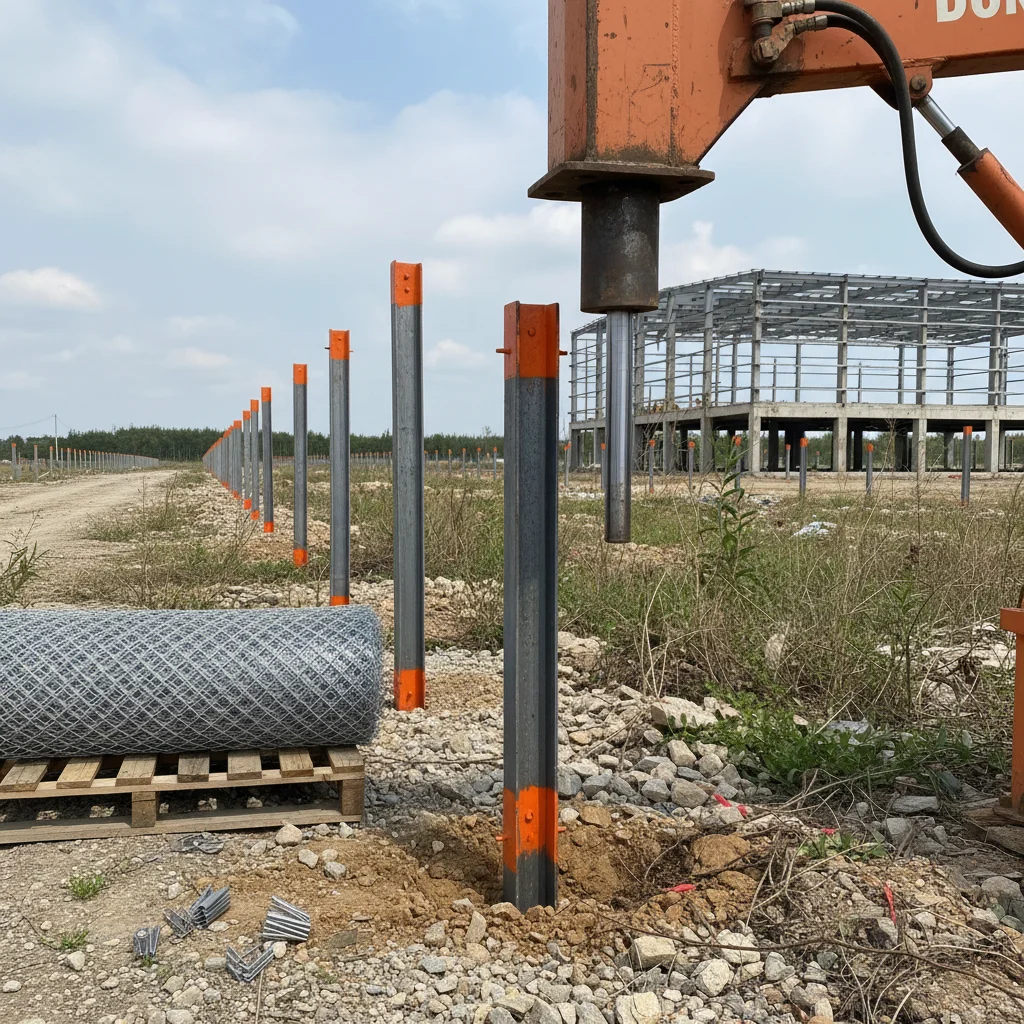
Scalability and installation efficiency are second-order critical factors. A well-engineered Y Fence Post features pre-drilled holes or standardized brackets that allow workers to quickly secure wire mesh and security strands. This reduces labor costs significantly during large-scale perimeter installations, making it a cost-effective choice for expansive sites.
Finally, the structural geometry—specifically the angle of the "Y" arms—impacts the tension capacity. An optimized angle ensures that the downward pressure of the security wire is distributed evenly across the main shaft of the Y Fence Post, preventing the post from bending under the weight of heavy-duty razor wire or during extreme wind events.
Global Applications and Use Cases
The application of the Y Fence Post spans across multiple sectors. In the energy sector, they are extensively used to secure solar farms and electrical substations, where preventing animal intrusion and unauthorized human access is critical for operational safety. The Y-design allows for the rapid installation of deterrents that keep the perimeter secure without requiring massive concrete walls.
In remote industrial zones and mining operations, these posts are indispensable. For example, in the vast landscapes of Australia or Canada, where perimeter fences may stretch for kilometers, the Y Fence Post provides a lightweight yet rigid solution that can be transported easily and installed quickly, ensuring that high-value equipment remains protected from theft and wildlife.
Comparative Performance of Y Fence Post Systems
Long-Term Value and Advantages
Investing in a high-quality Y Fence Post yields significant long-term economic value. By combining the support for the primary mesh and the secondary security wire into one unit, property owners reduce the number of holes dug and posts installed. This reduction in material and labor leads to lower initial capital expenditure and dramatically reduced maintenance costs over the fence's lifecycle.
Beyond the financial logic, there is an emotional and psychological advantage: the "sense of security." A fence equipped with Y Fence Post systems and razor wire sends a clear, professional signal of deterrence. This psychological barrier often prevents intrusions before they are even attempted, providing peace of mind to facility managers and ensuring the safety of personnel working within the protected area.
Future Trends and Material Innovations
The future of the Y Fence Post is leaning heavily toward "green" manufacturing and smart integration. We are seeing a transition toward the use of recycled steel and low-emission galvanization processes to meet global sustainability goals. These eco-friendly materials do not compromise strength but significantly reduce the carbon footprint of large-scale fencing projects.
Another emerging trend is the integration of digital sensors. Future iterations of the Y Fence Post may incorporate vibration sensors or fiber-optic cables within the structure to detect tampering in real-time. This transformation from a passive physical barrier to an active monitoring system represents the next leap in perimeter security technology.
Automation in production is also refining the precision of the Y-arm angles. Using CNC bending and robotic welding, manufacturers can now produce posts with micron-level accuracy, ensuring that every post in a thousand-meter run is identical. This consistency eliminates the "sagging" common in manually fabricated fences, maintaining the structural integrity of the entire system.
Challenges and Expert Solutions
One of the primary challenges with the Y Fence Post is the risk of "wind-loading." In regions prone to hurricanes or typhoons, the added surface area of the Y-arms can act as a sail, putting immense pressure on the post's base. To solve this, experts recommend deeper footing depths and the use of reinforced concrete anchors for the base of the post to ensure stability during extreme weather.
Another common issue is the localized corrosion at the weld points of the Y-arms. If the welding process is not followed by a proper dipping or coating process, the joints can rust from the inside out. The professional solution is the application of "Hot-Dip Galvanizing" after the welding is complete, ensuring the entire structure is sealed in a protective zinc layer.
Lastly, improper tensioning of the security wire can cause the Y Fence Post to lean inward. To counteract this, the use of specialized tensioning wires and strategic placement of "stay posts" (bracing posts) at regular intervals is essential. This distributes the load across the entire line rather than concentrating it on a few vulnerable points.
Comparison Analysis of Y Fence Post Specifications
| Material Type |
Corrosion Resistance |
Installation Speed |
Load Bearing Capacity |
| Galvanized Steel |
High (15-25 Years) |
Fast |
Very High |
| Powder Coated |
Medium (10-15 Years) |
Fast |
High |
| Stainless Steel |
Ultra-High (30+ Years) |
Moderate |
Extreme |
| Alloy Steel |
Medium-High |
Fast |
Highest |
| Composite Mix |
High (No Rust) |
Very Fast |
Moderate |
| Standard Iron |
Low (2-5 Years) |
Moderate |
Medium |
FAQS
A Y Fence Post provides a dedicated, bifurcated support system at the top, allowing for the installation of multiple strands of security wire (barbed or razor wire) without compromising the stability of the main fence. This increases the vertical security height and provides a much stronger deterrent than a flat-top post, which often requires additional, expensive brackets to achieve the same result.
Depending on the thickness of the zinc coating (the GSM rating), a hot-dip galvanized Y Fence Post can typically last between 15 to 25 years in coastal environments. The zinc layer acts as a sacrificial anode, protecting the internal steel from saltwater corrosion. For extreme salinity, stainless steel or specialized marine-grade coatings are recommended.
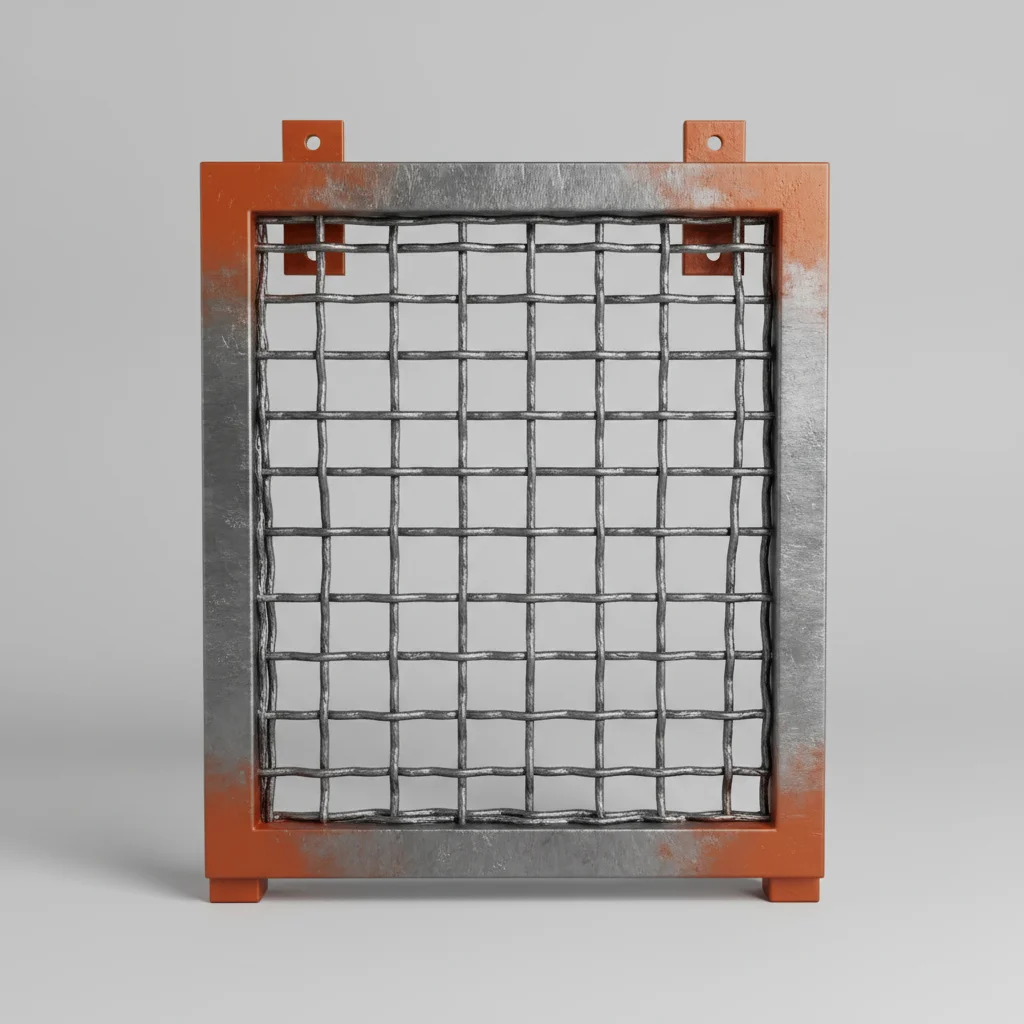
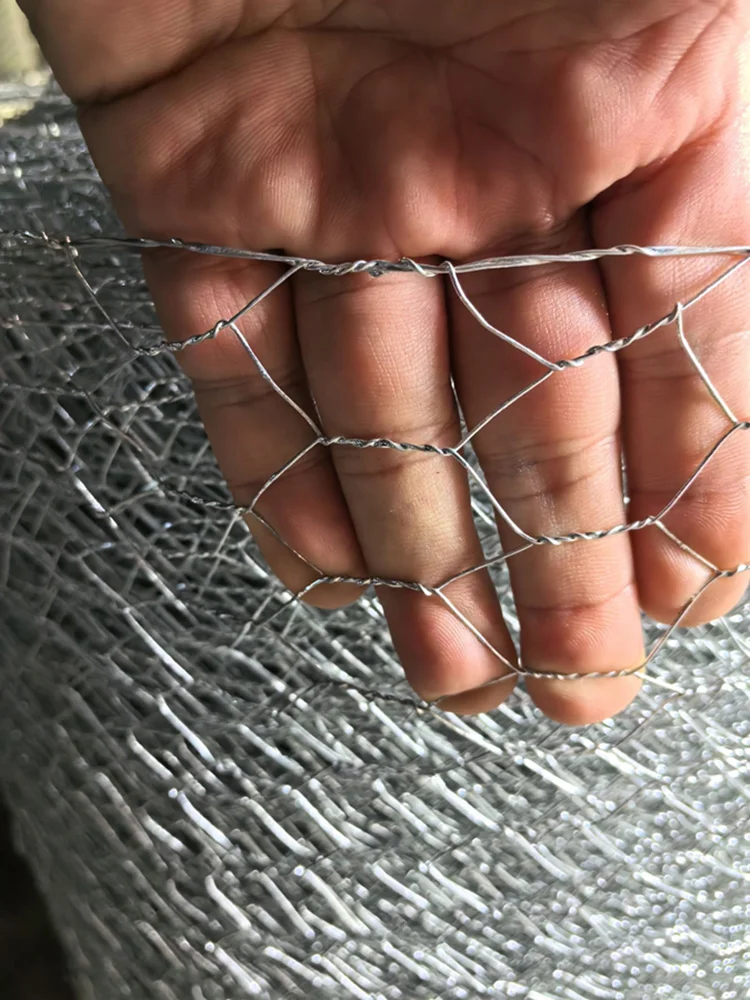
Yes, they are highly versatile. They are commonly used with chain-link mesh, welded wire mesh, and high-tensile field fencing. The "Y" arms are designed to be compatible with almost any security wire, including concertina razor wire and traditional double-strand barbed wire, making them suitable for various industrial and agricultural needs.
To prevent leaning, it is critical to use "stay posts" or anchor posts at every corner and at regular intervals (usually every 10-20 posts) along a straight run. Additionally, ensuring the post is embedded at the correct depth—typically 1/3 of the total post length—and secured with concrete will provide the necessary leverage to withstand high-tension wires.
Absolutely. By integrating the support for both the mesh and the security crown into one component, you reduce the total number of posts required and the time spent digging and setting them. This synergy leads to lower labor costs and fewer material components, providing a higher ROI compared to installing separate support systems for the security wire.
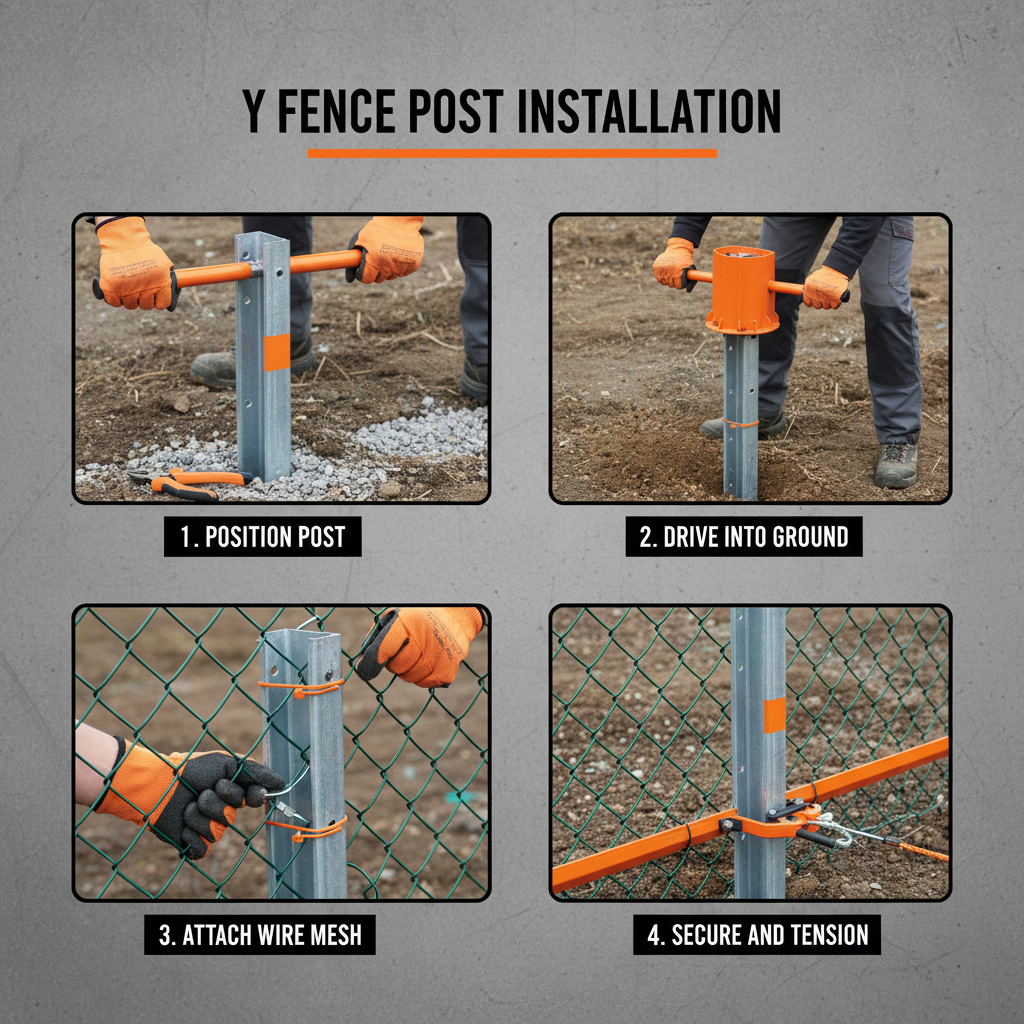
The best method is to first secure the main fence mesh to the shaft, then lay the razor wire across the Y-arms. Use high-tensile binding wire to tie the razor wire securely to the arms at each post. For maximum security, a "concertina" coil can be stretched between the Y-arms, creating a physical and psychological barrier that is extremely difficult to breach.
Conclusion
In summary, the Y Fence Post is more than just a structural component; it is a strategic asset in perimeter security. By combining material strength, intelligent geometry, and installation efficiency, it addresses the core challenges of modern boundary protection. From its ability to support high-tension security wires to its long-term resilience against corrosion, the Y-post ensures that industrial, agricultural, and governmental sites remain secure and manageable.
As we move toward a future of smarter and more sustainable infrastructure, the evolution of the Y Fence Post will likely include integrated sensing technology and eco-friendly alloys. For those looking to enhance their security footprint, investing in high-grade, professionally galvanized Y-posts is the most reliable path toward a safe and durable perimeter. For more professional fencing solutions, visit our website: www.huaxinmesh.com.